 0
0
 0
0
New Delhi, September 6, 2025 — India’s bioeconomy has achieved a striking transformation over the past decade, expanding from a modest $10 billion in 2014 to an impressive $165.7 billion in 2024. With its contribution now exceeding 4.2% of the national GDP, this remarkable growth positions India as a rising global bioeconomy powerhouse, backed by a dynamic ecosystem of startups, innovative policies, and increasing investments. The sector’s trajectory signals profound implications for healthcare, sustainable development, and economic prosperity across urban and rural regions.
Driven by Innovation and Sustainability
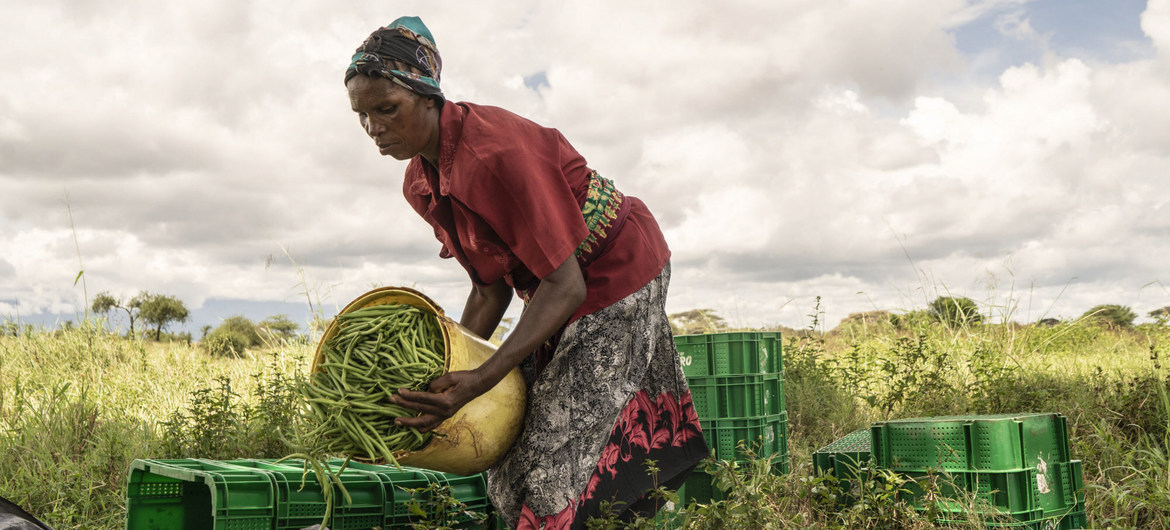
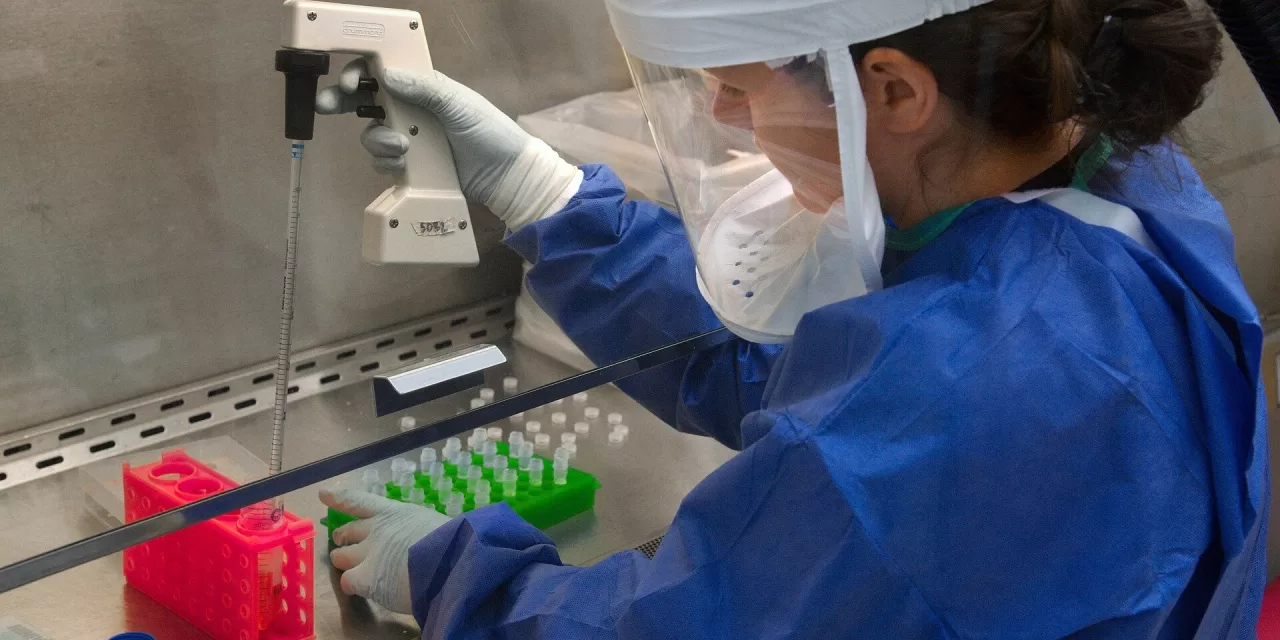
The bioeconomy encompasses the use of renewable biological resources and biotechnology to develop food, energy, industrial products, pharmaceuticals, and environmental solutions. India’s fast-growing bioeconomy spans key sectors including bioindustrial manufacturing (47%), biopharmaceuticals (35%), bio-agriculture (8%), and bio-research and technology (9%). Notably, the bioindustrial sector, led by biofuels and bioplastics, alone accounted for approximately $78 billion of the total valuation in 2024, highlighting the country’s emphasis on sustainable and green industry solutions. Meanwhile, the pharmaceutical sector, bolstered by vaccine innovations, contributed 35% to the bioeconomy’s valuation, underlining biotechnology’s critical role in advancing public health.
Government initiatives have further accelerated this growth, particularly through the recently approved BioE3 Policy (Biotechnology for Economy, Environment, and Employment) enacted in August 2024. The policy promotes regenerative biomanufacturing, circular bioeconomy principles, and ethical biosafety, aligning India’s biotech sector with global environmental and carbon-neutral goals. Research and IT subsectors, including biotech software, clinical trials, and bioinformatics, emerged as the fastest-growing segment in 2024, signaling the expanding nexus of technology and life sciences in the country.
Expert Perspectives and Ecosystem Growth
Dr. Ritu Singh, a biotechnology expert and professor at the Indian Institute of Technology, commented on the sector’s rapid expansion: “India’s bioeconomy growth reflects a well-coordinated strategy integrating innovation, private-public partnerships, and policy reforms. The surge in startups—from just over 5,300 in 2021 to more than 13,000 in 2025—demonstrates the vibrancy and entrepreneurial spirit driving this sector.” She added, “Investment in biotech not only accelerates healthcare breakthroughs but also plays a pivotal role in achieving sustainable agriculture and environmental targets.”
Supporting this ecosystem, the government has launched mentorship and funding initiatives, including BioSaarthi, a six-month global mentorship program targeting biotech startups, and plans for a $3 billion Biotech Venture Fund by 2028. These efforts encourage the commercialization of innovative biotech products and job creation projected to benefit over 35 million people by 2030, particularly in tier-II and tier-III cities.
Public Health Implications and Opportunities
The expansion of bio-pharma within India’s bioeconomy carries profound implications for public health. Advances in vaccine production and biotechnology-based therapeutics provide increased access to essential medicines and support pandemic preparedness. Moreover, biotechnology innovations in agriculture can improve food security and nutrition through biofortified crops and sustainable farming practices.
The bioeconomy’s integration with digital technologies enhances drug discovery, personalized medicine, and disease diagnostics, potentially improving healthcare outcomes for millions. For consumers, these developments translate into access to innovatively derived medicines and health products that align with global standards.
Balancing Growth with Challenges
Despite these gains, India’s bioeconomy faces challenges including regional disparities, infrastructural bottlenecks, and the need for continual innovation. The majority of bioeconomic activity is concentrated in five states—Maharashtra, Karnataka, Telangana, Gujarat, and Andhra Pradesh—while eastern and northeastern regions account for less than 6% of the sector’s value. Addressing this imbalance is critical for inclusive growth.
Furthermore, experts caution about overreliance on projections and emphasize the need for ethical governance, robust regulatory frameworks, and sustainable practices to ensure that growth does not come at environmental or societal costs. The government’s commitment to global regulatory alignment and biosafety helps mitigate risks associated with biotechnology’s rapid evolution.
The Road Ahead: An Ambitious Vision
Looking forward, India aims to nearly double its bioeconomy to $300 billion by 2030, with longer-term goals set at $1 trillion by 2047. Achieving these targets will require sustaining a high compound annual growth rate, fostering multidisciplinary collaborations, and scaling up biomanufacturing capacities.
The bioeconomy’s rise promises to contribute substantially to India’s economic resilience, environmental sustainability, and public health advancements. This evolving sector stands at the crossroads of science, technology, and policy, exemplifying how biotechnology can act as a catalyst for comprehensive societal progress.
Medical Disclaimer
This article is for informational purposes only and should not be considered medical advice. Always consult with qualified healthcare professionals before making any health-related decisions or changes to your treatment plan. The information presented here is based on current research and expert opinions, which may evolve as new evidence emerges.
References
-
India BioEconomy Report 2025 (IBER 2025), Department of Biotechnology, Government of India, Published 2025.