 0
0
 0
0
NEW DELHI — In a landmark address that signals a decisive shift in the nation’s scientific trajectory, Union Minister Dr. Jitendra Singh declared on Friday that India is no longer merely following global medical trends but is poised to lead the next frontier of healthcare: precision medicine and high-performance biomanufacturing.
Speaking at the Multi-Omics Summit 2026, organized by the Proteomics Society, India (PSI), the Minister unveiled a vision of “personalized prescriptions” where treatments are tailored to an individual’s unique genetic blueprint. This evolution is powered by a burgeoning ecosystem of over 11,000 biotech startups and the strategic implementation of the BioE3 Policy, which focuses on Economy, Environment, and Employment.
“India has moved from an era where advanced treatment required traveling abroad to a stage where the country is emerging as a global healthcare destination,” Dr. Singh told an audience of clinicians and researchers. “The convergence of biotechnology, artificial intelligence (AI), and genomics is creating unprecedented opportunities for innovation.”
The Power of “Multi-Omics” and Genetic Diversity
At the heart of this transformation is “multi-omics”—an advanced research approach that integrates data from various biological layers, including the genome (DNA), transcriptome (RNA), and proteome (proteins). By analyzing these layers simultaneously, scientists can move beyond a “one-size-fits-all” model of medicine.
India’s greatest asset in this field is its immense genetic diversity. With over 4,600 distinct population groups, the Indian subcontinent offers a unique “genetic laboratory” for the world.
-
Genome India Project: The government recently celebrated the completion of sequencing 10,000 Indian genomes, creating a reference database specifically for the Indian population.
-
The Next Milestone: Dr. Singh announced that the long-term goal is to scale this to one million genomes, which will help identify specific disease markers for conditions like diabetes, rare genetic disorders, and cardiovascular diseases prevalent in India.
Boosting the Bioeconomy: Startups and “Biopharma Shakti”
The scale of India’s biotech growth is staggering. In just over a decade, the number of biotech startups has surged from roughly 50 to more than 11,000 in 2026. To sustain this momentum, the government has introduced the Biopharma Shakti scheme, a ₹10,000 crore initiative designed to bolster biomanufacturing hubs and biofoundries.
“Biotechnology is set to drive the next industrial revolution, much like information technology did in the past,” Dr. Singh remarked. This “Bio-Revolution” aims to make India a global hub for biologics and biosimilars—complex medicines made from living organisms that are essential for treating cancer and autoimmune diseases.
Bridging Tradition and Technology
A unique aspect of India’s healthcare model is the integration of modern genomics with traditional systems like Ayurveda. Dr. Singh highlighted that the Ministry of AYUSH is collaborating on research to validate traditional knowledge through the lens of modern molecular biology, creating a “uniquely Indian” model of integrated medicine.
Furthermore, the recent opening of the nuclear sector to private participation is expected to accelerate breakthroughs in nuclear medicine. This is already yielding results, such as new therapeutic developments for acute lymphoblastic leukemia in children at the Tata Memorial Centre.
Expert Perspectives: The Road Ahead
While the government’s outlook is optimistic, independent experts emphasize the need for robust implementation.
“The shift toward precision medicine is essential because Indian patients often respond differently to drugs compared to Western populations,” says Dr. Arvinder Singh, a clinical pathologist not affiliated with the government. “However, the challenge lies in data privacy and ensuring that these high-tech treatments become affordable for the rural population, not just a luxury for the urban elite.”
Statistical Context of India’s Bio-Growth (2026 Projections):
| Metric | 2014 | 2026 (Projected/Current) |
| Biotech Startups | ~50 | 11,000+ |
| Bioeconomy Value | $10 Billion | ~$166 Billion |
| Genomes Sequenced | Minimal | 10,000 (Targeting 1 Million) |
| Global Biomanufacturing Rank | N/A | 3rd in Asia-Pacific |
Public Health Implications
For the average citizen, this scientific leap means moving from reactive to predictive healthcare.
-
Early Intervention: Multi-omics allows for the detection of disease patterns before clinical symptoms even appear.
-
Reduced Side Effects: By understanding a patient’s genetic response to medication (pharmacogenomics), doctors can avoid drugs that might cause adverse reactions.
-
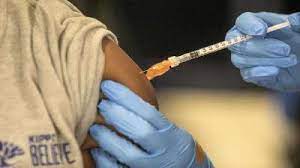
Affordable Innovation: India’s success in creating the world’s first DNA-based vaccine during the pandemic serves as a blueprint for developing low-cost, high-tech vaccines for other diseases like HPV and Sickle Cell Disorder.
Limitations and Challenges
Despite the progress, critics point to potential hurdles:
-
Infrastructural Gaps: Scaling precision medicine requires specialized diagnostic labs that are currently concentrated in major metros.
-
Data Security: Handling the genetic data of millions requires stringent cybersecurity frameworks to prevent misuse.
-
Cost of Biologics: While the Biopharma Shakti scheme aims for affordability, biologics remain significantly more expensive than traditional generic drugs.
As India positions itself as a “Global Bio-Hub,” the focus remains on ensuring that the “Discovery in India” mandate translates into tangible health benefits for its 1.4 billion people.
Medical Disclaimer: This article is for informational purposes only and should not be considered medical advice. Always consult with qualified healthcare professionals before making any health-related decisions or changes to your treatment plan. The information presented here is based on current research and expert opinions, which may evolve as new evidence emerges.
References
-
Expert Source: Dr. Jitendra Singh, Union Minister of State (IC) Science & Technology, Inaugural Address at Multi-Omics Summit, March 13, 2026.