 0
0
 0
0
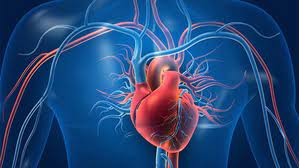
Preeti Unhale, a 51-year-old resident of Delhi originally from Madhya Pradesh, celebrated 25 years with a donor heart on January 23, 2026, establishing her as India’s longest-living heart transplant recipient. The transplant, performed at the All India Institute of Medical Sciences (AIIMS) in New Delhi in January 2001, came at a time when such procedures were rare in India due to limited donor availability and uncertain long-term outcomes. Her story highlights remarkable medical progress and the critical role of discipline in post-transplant care.
Patient Background and Diagnosis
Unhale was diagnosed with dilated cardiomyopathy, a condition where the heart muscle weakens and enlarges, impairing its ability to pump blood and leading to heart failure. In 2000, after treatments in Madhya Pradesh and Mumbai failed, she arrived at AIIMS in critical condition, just two and a half years after her marriage. Her husband, an Indian Forest Service officer, transferred to Delhi to support her care, underscoring the importance of family involvement.
Dr. K.K. Talwar, the cardiologist who treated her, recalled: “She had married barely two and a half years earlier and came to us with hope after being refused everywhere else.” At the time, clinical guidelines for transplants were scarce, and success rates were low, with many discouraging the procedure.
The Transplant Procedure
The surgery used a heart from a brain-dead teenage donor, conducted by cardiothoracic surgeon Dr. P. Venugopal. Performed in an era of limited resources, it represented a high-risk endeavor with no long-term survivor stories to draw from. Unhale reflected, “There was no guidance then. Success rates were low, and there were hardly any survivors to talk to. People discouraged us, saying transplants don’t last long. But there was no other option.”
India’s heart transplant landscape has evolved since then. Major centers now report one-year survival rates of 80-90%, comparable to global standards from North America and Europe. Five-year survival hovers around 65-75% in experienced Indian hospitals.
Post-Transplant Journey and Challenges
Life post-transplant demanded lifelong immunosuppressants to prevent rejection, which Unhale has adhered to rigorously. She endured multiple rejection episodes, including a severe one in 2006-07 requiring emergency ICU admission, along with complications like kidney issues, steroid-induced bone damage, vascular necrosis, and facial paralysis—all managed through ongoing AIIMS care.
“This survival isn’t mine alone,” Unhale said. “It belongs to doctors, nurses, technicians and even sanitation staff. It takes a system to save one life.” Her discipline mirrors global data: while acute rejection dominates early deaths, long-term risks include chronic allograft vasculopathy, infections, malignancies, renal failure, and osteoporosis.
Globally, the International Society for Heart and Lung Transplantation reports 84.5% one-year survival and 72.5% at five years, with about 21% surviving 20 years—rates improved by better immunosuppression but limited by chronic issues. Unhale’s 25-year milestone exceeds typical expectations, where many live 10-15 years or more with adherence.
Broader Context in India
Heart transplants remain scarce in India due to low deceased donor rates—only 1,000-1,200 annually despite 160,000 road traffic deaths, yielding less than 1 donor per million population versus 48 in Spain. In 2024, India ranked third globally in transplants (over 18,900) but relied heavily on living donors, with just 1,128 deceased ones, mostly from southern states.
Unhale now counsels patients nationwide, urging: “If doctors advise a transplant, there is no other option. Donors are rare—if you get one, say yes immediately. Live fully, but with discipline.” AIIMS celebrated her as a “testament to clinical excellence.”
Dr. Kewal Krishan, a heart transplant expert in Delhi, notes India’s growing capability: “India is in a dire need to decrease the gap between organ donors and recipients.” For dilated cardiomyopathy patients like Unhale, transplants yield strong outcomes, with over 85% one-year survival and 75% at five years, often better in non-ischemic cases due to fewer comorbidities.
Public Health Implications
Unhale’s case spotlights the need for organ donation awareness to bridge India’s donor gap. It demonstrates that with medical adherence, transplants can restore quality of life, enabling patients to work and contribute—Unhale emphasizes family support and risk-taking for a “good quality of life.”
For patients facing end-stage heart failure, transplantation remains definitive when viable, with 85% five-year survival in some reports. Practical steps include prompt donor acceptance, medication compliance, regular monitoring, healthy diet, exercise, and stress management to mitigate complications.
Limitations and Balanced View
While inspiring, Unhale’s success is exceptional; average survival is shorter, and not all patients face fewer contraindications. Women with dilated cardiomyopathy may be referred later with advanced disease, though post-transplant outcomes match men’s. Costs exclude lifelong drugs, and access varies by region.
Experts caution that mechanical circulatory support is advancing as an alternative, though long-term data lags. Cultural barriers to brain-death donation persist, hindering scalability.
Unhale’s story promotes hope grounded in evidence, encouraging informed decisions without overpromising.
Medical Disclaimer: This article is for informational purposes only and should not be considered medical advice. Always consult with qualified healthcare professionals before making any health-related decisions or changes to your treatment plan. The information presented here is based on current research and expert opinions, which may evolve as new evidence emerges.
References
-
Economic Times Health. “Silver lining: Woman lives 25 years with a donor heart.” January 24, 2026. https://health.economictimes.indiatimes.com/news/industry/silver-lining-woman-lives-25-years-with-a-donor-heart/127467101