 0
0
 0
0
A Hyderabad-based startup is set to revolutionize pneumonia treatment in India with a novel nebulized antibiotic therapy, thanks to critical support from the Technology Development Board (TDB) under the Department of Science and Technology, Government of India. Announced on September 11, 2025, this initiative not only addresses the acute burden of pneumonia and the looming crisis of antimicrobial resistance (AMR) but also marks a significant step toward India’s ambition to become a global leader in affordable healthcare innovation.
Key Findings and Developments
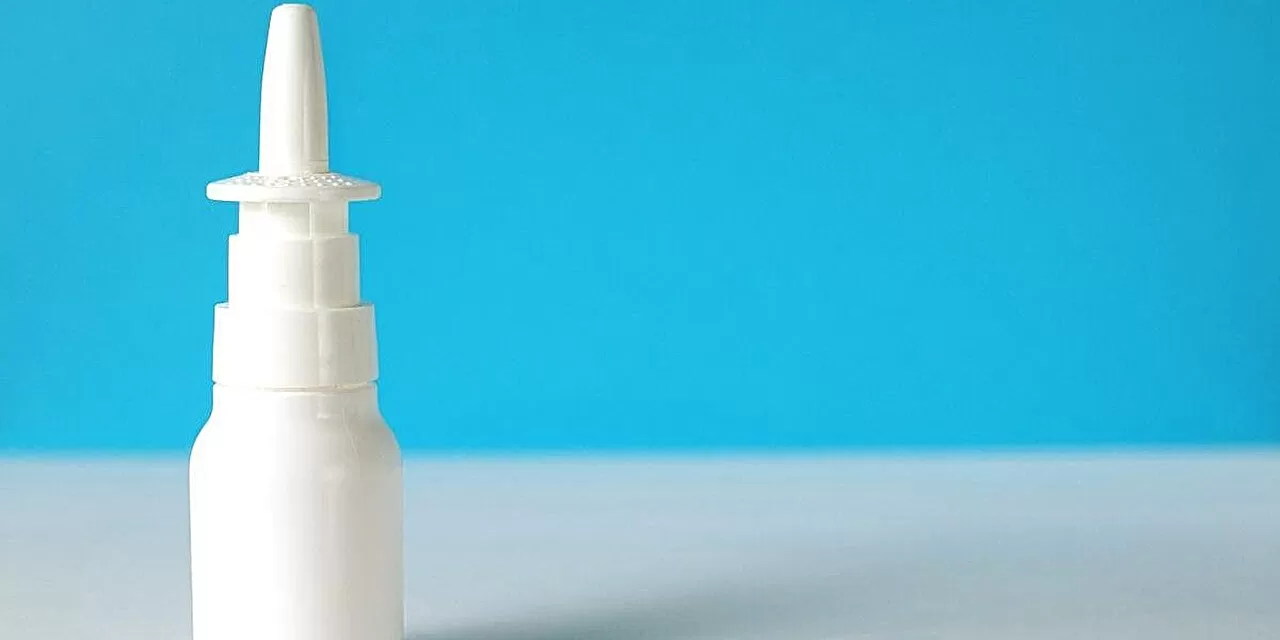
Aodh Lifesciences Pvt. Ltd. has developed an indigenous drug formulation named AONEUM-04, a nebulized antibiotic suspension designed for direct delivery to the lungs. Unlike conventional oral or intravenous antibiotics, AONEUM-04 is administered through nebulization, achieving higher drug concentrations at the infection site with fewer systemic side effects.
This formulation is engineered for:
-
Sustained drug release for prolonged activity
-
Strong adhesion to lung tissues (mucoadhesion)
-
The ability to disrupt bacterial biofilms, which often protect pathogens from antibiotics.
Having cleared pre-clinical trials, AONEUM-04 is entering Phase III clinical testing—a pivotal stage before wide-scale deployment. If successful, the drug promises not just improved patient outcomes but also enhanced affordability and compliance, supporting public health at both national and global levels.
Expert Perspectives and Quotes
Rajesh Kumar Pathak, Secretary of TDB, emphasized the project’s impact:
“This initiative marks a major advancement in tackling pneumonia and antimicrobial resistance—two of the most urgent health challenges facing India and the world. By backing indigenous solutions like AONEUM-04, TDB is strengthening India’s ability to provide affordable and scalable healthcare innovations that can compete globally.”.
According to health experts not involved in the project, international focus on AMR and the demand for less invasive, patient-friendly treatment options make this innovation timely. Should clinical results validate its efficacy and safety, AONEUM-04 could become a benchmark in pneumonia care, especially for resource-limited communities.
Context and Background
Pneumonia remains a leading cause of child mortality and hospitalization in India, contributing to the nation’s 23% share of the global pneumonia burden. The situation has been aggravated by the rise of antimicrobial resistance—a phenomenon where bacteria evolve to withstand existing antibiotics, causing treatments to fail and putting millions at risk worldwide.
Traditional treatments for pneumonia often involve oral or intravenous antibiotics. However, these can result in lower lung concentrations and systemic side effects, and their repeated use helps drive AMR. By delivering medication directly to the respiratory tract, AONEUM-04 aims to address these shortcomings.
Implications for Public Health
If successful in Phase III trials, AONEUM-04 can:
-
Enhance treatment effectiveness against difficult-to-treat lung infections like pneumonia
-
Reduce systemic side effects, making antibiotic therapy safer
-
Limit AMR development by disrupting biofilms and delivering more targeted therapy
-
Increase accessibility and affordability, especially in rural and underserved areas
Such innovations align with the government’s “Atmanirbhar Bharat” (Self-Reliant India) initiative and support broader global health goals. Improved compliance and lower treatment costs could significantly benefit both patients and the healthcare system.
Limitations and Counterarguments
While the promise is substantial, it’s critical to note that AONEUM-04 remains under clinical investigation. Phase III clinical trial results—required to confirm safety and efficacy in large, diverse patient groups—are necessary before full-scale commercialization.
Medical professionals caution that the wider fight against pneumonia and AMR involves more than technological innovation. Effective prevention (such as vaccination, hygiene measures), correct antibiotic use, and broader health system strengthening are all necessary. Some experts note that while nebulized antibiotics can be highly effective, challenges such as device access, patient training, and consistent use in real-world settings must also be addressed.
Practical Considerations for Readers
For the public:
-
New treatments like AONEUM-04 may soon offer alternatives for severe or drug-resistant pneumonia cases, pending regulatory approvals.
-
Prevention remains key: Vaccination, good hygiene, and prompt medical care are foundational in reducing pneumonia risks.
-
Use antibiotics responsibly. Avoid self-medication to help combat AMR.
For healthcare professionals:
-
Monitor developments in nebulized antibiotic therapies for lower respiratory tract infections.
-
Consider future protocols that may integrate localized delivery therapies to optimize outcomes and minimize side effects.
-
Encourage patient adherence and education when new therapies become available.
Medical Disclaimer
Medical Disclaimer: This article is for informational purposes only and should not be considered medical advice. Always consult with qualified healthcare professionals before making any health-related decisions or changes to your treatment plan. The information presented here is based on current research and expert opinions, which may evolve as new evidence emerges.
References
-
DST-TDB backs indigenous nebulized antibiotic to combat lung infections. UNI India. 12 Sep 2025.
https://www.uniindia.com/dst-tdb-backs-indigenous-nebulized-antibiotic-to-combat-lung-infections/india/news/3574456.html