 0
0
 0
0
:
A team of scientists in Australia, led by Indian-origin researchers, has unveiled a pioneering once-a-week injectable that could revolutionize the treatment of Parkinson’s disease—a condition affecting over eight million people globally. The breakthrough, originating from the University of South Australia (UniSA), promises to replace the current regimen of multiple daily pills with a single weekly dose, potentially transforming the lives of patients and caregivers alike.
A Game-Changer in Parkinson’s Care
The new formulation combines two essential Parkinson’s medications—levodopa and carbidopa—into a long-acting, biodegradable injectable gel. Detailed in the journal Drug Delivery and Translational Research, the innovation addresses key challenges faced by Parkinson’s patients: frequent dosing, difficulty swallowing, and fluctuating drug levels that lead to inconsistent symptom control.
“Levodopa is the gold standard for Parkinson’s treatment, but its short half-life necessitates multiple doses each day,” explained Professor Sanjay Garg, lead researcher and director at UniSA’s Centre for Pharmaceutical Innovation. “Our goal was to simplify treatment, improve compliance, and ensure more consistent therapeutic outcomes. This injectable could truly be a game-changer in Parkinson’s care.”
Key Features of the Weekly Injectable:
-
: Delivers over 90% of levodopa and 81% of carbidopa steadily over seven days.
-
: Composed of FDA-approved PLGA polymer and Eudragit L-100, the gel naturally degrades within a week, with lab tests showing no significant toxicity.
-
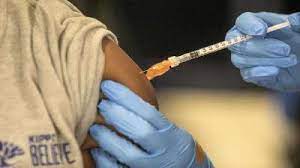
: Administered via a fine 22-gauge needle, it avoids the need for surgical procedures.
Frequent pill regimens can be particularly challenging for elderly patients, often resulting in missed doses, erratic symptom control, and increased side effects. By shifting to a once-weekly injection, the new method could dramatically improve patient adherence and overall quality of life.
Broader Implications for Chronic Diseases
Professor Garg also emphasized the wider potential of this technology: “This delivery system could be adapted for other chronic diseases such as cancer, diabetes, neurodegenerative disorders, pain management, and chronic infections, where long-term, consistent drug delivery is critical.”
The innovation represents a major leap forward in non-invasive, sustained-release treatments, offering renewed hope to millions worldwide who struggle with long-term conditions requiring frequent medication.
:
This article is based on recent scientific developments and is intended for informational purposes only. The weekly injectable for Parkinson’s disease is still under research and has not yet been approved for general clinical use. Patients should consult their healthcare providers before making any changes to their treatment regimen.