 0
0
 0
0
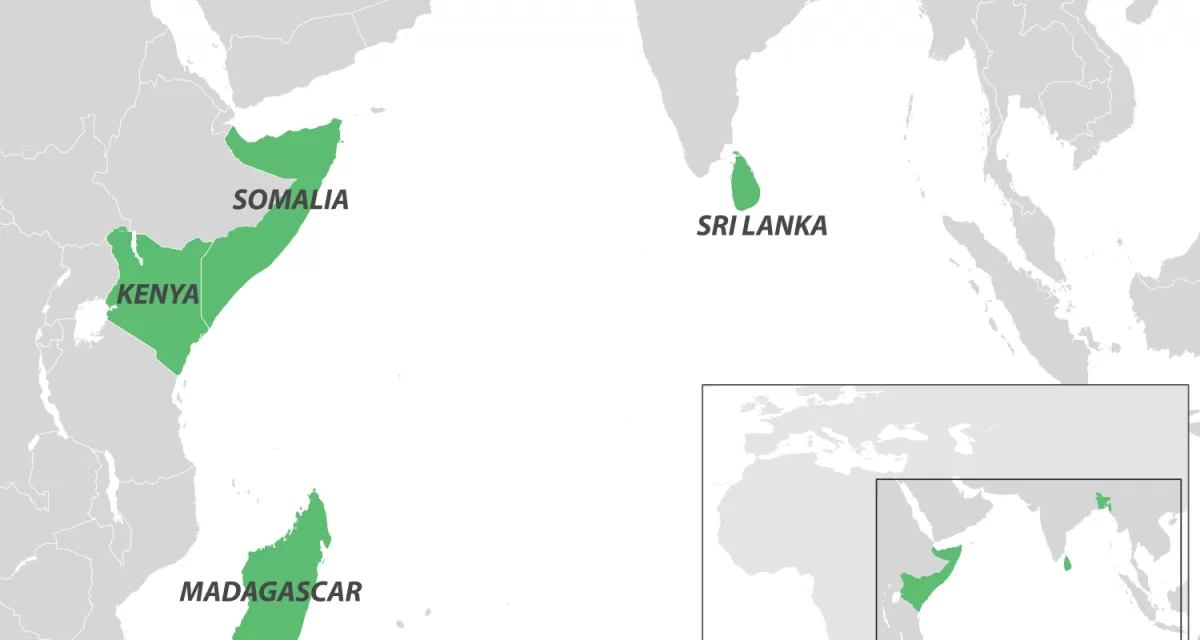
The mosquito-borne chikungunya virus continues to cause outbreaks across the Indian Ocean region, with a Level 2 travel health alert in place as of early September 2025. This alert signals the need for travelers to practice enhanced precautions while underscoring the expanding geographic spread and public health implications of the virus. Confirmed chikungunya outbreaks have been reported in countries including Bangladesh, Kenya, Madagascar, Somalia, Sri Lanka, and island territories such as Réunion, Mayotte, and Mauritius. The situation remains dynamic, with the virus also increasingly affecting parts of Asia, Europe, and the Americas, raising concerns about global transmission and control challenges.
Key Findings and Epidemiological Overview
As of September 5, 2025, the US Centers for Disease Control and Prevention (CDC) issued a Level 2 travel notice urging travelers to the Indian Ocean region to take enhanced precautions against chikungunya virus infection. This includes using insect repellents, wearing protective clothing, and considering vaccination where available. The World Health Organization (WHO) estimates that approximately 5.6 billion people across 119 countries are potentially at risk of chikungunya infection in 2025 due to environmental conditions favorable for the virus-carrying Aedes mosquitoes.
The current outbreak in the Indian Ocean islands is significant, with Réunion reporting over 47,500 confirmed cases and 12 deaths alongside over 170,000 clinical consultations for suspected chikungunya since early 2025. Mayotte reported its first local chikungunya transmission in 19 years. African countries including Kenya, Madagascar, and Somalia also face outbreaks, reinforcing the regional burden. Outside Africa, the virus has established footholds in Asia and Europe, with local transmission confirmed in France’s Grand Est and southeastern regions, heightening concerns about the virus’ establishment in temperate zones.
Expert Perspectives on the Outbreak
Dr. Diana Rojas Alvarez, WHO medical officer, highlighted the virus’s rapid spread during a Geneva briefing: “We are seeing history repeating itself, recalling the 2004–2005 chikungunya epidemic that affected nearly half a million people and spread globally. The current scale is unprecedented, requiring urgent coordinated action”. Dr. Michael Tran, an infectious disease specialist not involved in the CDC advisory, emphasized the importance of vector control: “Containing chikungunya hinges on reducing mosquito populations and protecting vulnerable groups such as the elderly and infants. Travel advisories and vaccination are critical tools in this effort”
Clinical and Public Health Context
Chikungunya virus (CHIKV) is transmitted primarily by the Aedes aegypti and Aedes albopictus mosquitoes, also known vectors for dengue, Zika, and yellow fever. Infection manifests typically with sudden high fever, joint pain often described as debilitating, rash, and fatigue. Most cases resolve within a week, but joint pain can persist for months or years in a subset of patients, occasionally leading to long-term disability.
Vulnerable populations—including infants, elderly adults, and those with underlying conditions like heart disease or diabetes—are at higher risk for severe outcomes, including rare neurological and cardiovascular complications. While chikungunya mortality remains low, its burden on public health systems and individuals’ quality of life is substantial during outbreaks.
Implications for Travelers and Public Health Strategy
The CDC continues to advocate vaccination for travelers to affected regions, yet recent caution has been exercised: The FDA and CDC have paused the use of Valneva’s live-attenuated vaccine (Ixchiq) in individuals aged 60 and older due to investigations into post-vaccination hospitalizations for cardiac or neurological events, underscoring the need for careful vaccine safety monitoring.
Preventive measures include the consistent use of mosquito repellents containing DEET, wearing long sleeves and pants, and eliminating standing water where mosquitoes breed. Enhanced surveillance, vector control initiatives like insecticide spraying, and community engagement are key public health responses being implemented in outbreak areas such as Réunion, Mayotte, and parts of Asia.
Scientists in China are deploying innovative strategies such as releasing larger “elephant mosquitoes” whose larvae consume smaller, virus-carrying mosquitoes, coupled with drone surveillance of mosquito habitats to curb the outbreak. Such integrated vector management approaches could provide models for other affected regions.
Limitations and Emerging Challenges
The global expansion of chikungunya from traditional tropical zones to temperate climates poses challenges linked to climate change, increasing urbanization, and international travel. The co-circulation of multiple arboviruses like dengue and Zika complicates diagnosis and management. Moreover, gaps remain in vaccine availability, antiviral treatments, and long-term management of post-infection sequelae.
The pause on the Ixchiq vaccine in older adults highlights the need for further research into vaccine safety and alternative prevention. Continued vigilance is warranted as the virus may gain footholds in new areas, including parts of Europe where local transmission has been documented but remains limited.
What This Means for Readers
For the general public, especially travelers to the Indian Ocean and surrounding regions, heightened awareness and protective measures against mosquito bites are essential to reduce the risk of chikungunya infection. Understanding that chronic joint pain may follow recovery in some individuals emphasizes the importance of early prevention.
Healthcare professionals should maintain a high index of suspicion for chikungunya in patients presenting with fever and joint pain after travel to affected areas and advocate for vector control collaboration. Public health systems must prioritize surveillance and community education to limit spread.
Medical Disclaimer: This article is for informational purposes only and should not be considered medical advice. Always consult with qualified healthcare professionals before making any health-related decisions or changes to your treatment plan. The information presented here is based on current research and expert opinions, which may evolve as new evidence emerges.
References