 0
0
 0
0
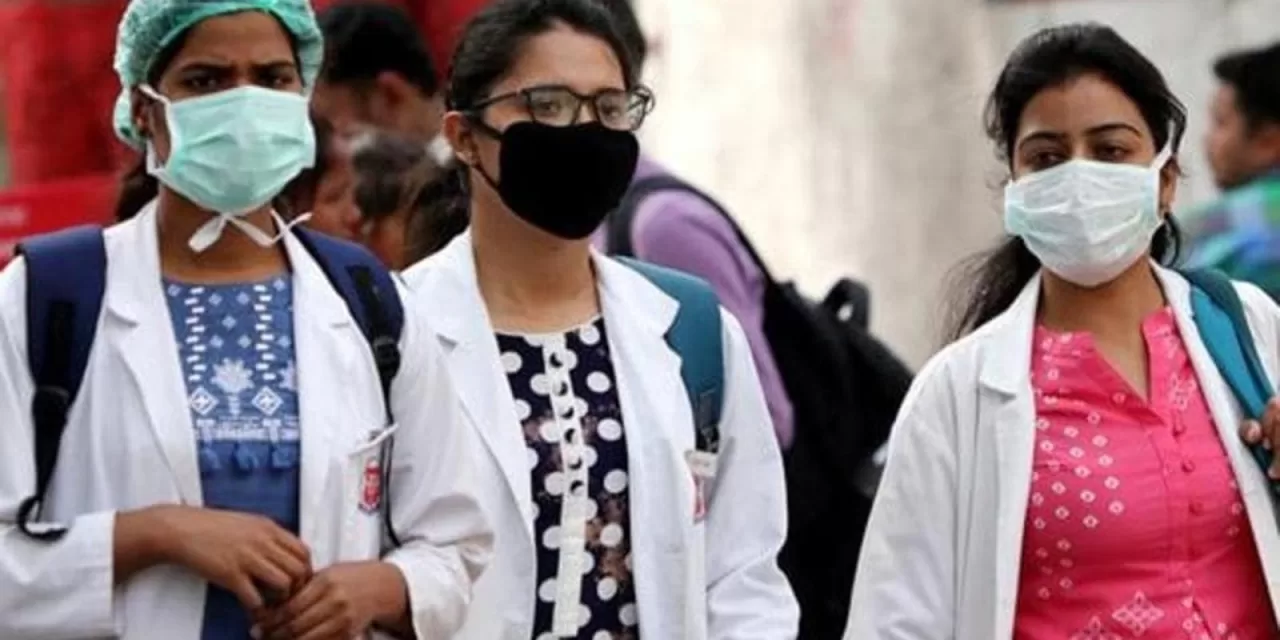
As escalating conflict between Israel and Iran forced over 1,500 Indian medical students to abandon their studies in Tehran, calls are growing for India to overhaul its approach to Foreign Medical Graduates (FMGs) caught in global crises. The students, evacuated under Operation Sindhu, now face a new ordeal: uncertainty over the fate of their medical degrees and careers due to gaps in India’s regulatory framework.
Many students, like Ahnaf Ishaq, left behind years of medical education, dreams of becoming doctors, and now confront the possibility that their hard work may not be recognized by Indian authorities. These students, often compelled to pursue medical studies abroad due to limited seats and strict NEET cut-offs in India, are now stranded in an academic limbo.
A Pattern of Crisis and Uncertainty
The recent evacuations from Iran and Israel echo the experiences of students displaced by the Ukraine-Russia war in 2022. Each time conflict erupts, the Indian government coordinates rescue operations, but once students are safely home, they face systemic hurdles. The National Medical Commission (NMC), India’s medical education regulator, lacks a permanent policy for students whose education is interrupted by war, relying instead on ad hoc exceptions that often create more confusion than relief.
Under current rules, FMGs must complete their internships in the country where they earned their degree—a requirement impossible to fulfill in war-torn regions. While the NMC made temporary exceptions for Ukraine returnees, allowing them to intern in India, many were forced to undertake extended internships, raising concerns about fairness and consistency.
Calls for Lasting Solutions
Student leaders and medical associations are urging the government to move beyond temporary measures. Dr. Shubham Anand, National Chairman of the Global Association of Indian Medical Students (GAIMS), emphasized the need for a clear, lasting policy to protect FMGs whose education is disrupted by global events. Dr. Dhruv Chauhan, National Spokesperson for the Indian Medical Association (IMA), echoed this sentiment, stating that students should not bear the burden of systemic failures or be forced to extend their training due to circumstances beyond their control.
A major gap remains the absence of a credit transfer or bridging mechanism, unlike in some countries where displaced students can continue their studies seamlessly. For many, the stark options are either to return to dangerous regions or abandon years of investment.
Psychological Toll and Legal Battles
The psychological impact on students has been severe. Many recount ongoing trauma from their experiences abroad—constant sirens, explosions, and the stress of evacuation have left lasting scars. Legal interventions, including Supreme Court orders and high court judgments, have repeatedly stepped in where policy has failed, reflecting an urgent need for proactive regulatory reform.
The Road Ahead
As thousands of FMGs wait for clarity, the demand is clear: India must establish a comprehensive, standing policy to address the recurring challenge of disrupted medical education due to global conflict. The future of these aspiring doctors—and the integrity of India’s medical education system—depends on it.
Disclaimer:
This article is based on information reported by EdexLive as of June 24, 2025. Details and policies may change as the situation develops. Readers are advised to consult official government notifications and regulatory updates for the most current information.