 0
0
 0
0
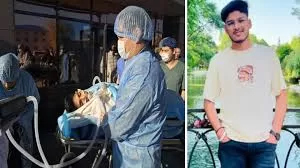
Rahul Ghosaliya, a 22-year-old final-year MBBS student from Shahpura, Jaipur, who suffered a brain stroke in Kazakhstan on October 8, 2025, died recently in Jaipur’s Sawai Man Singh (SMS) Hospital despite being airlifted and receiving advanced critical care. The case highlights challenges faced by international medical students and the urgency for timely stroke intervention and coordinated healthcare efforts.
Key Developments:
Rahul Ghosaliya fell severely ill while studying at Karaganda Medical University in Kazakhstan and was initially admitted to a hospital in Bishkek. His condition was critical, requiring ventilator support. After widespread social media appeals and intervention by the Rajasthan government and Ministry of External Affairs, he was flown back to India via a government-funded air ambulance on October 20, 2025, for advanced treatment at SMS Hospital in Jaipur. He was placed in the Medical ICU under a dedicated expert medical panel led by Dr. Deepak Maheshwari, SMS Medical College Principal. Despite intensive care efforts, Rahul succumbed to complications of the brain stroke shortly after his return.
Expert Perspectives:
A stroke expert not involved in the case explains, “Brain stroke in young adults, although relatively rare, requires immediate and aggressive management to reduce brain damage and improve survival outcomes. Prolonged delays in treatment, especially in ischemic or hemorrhagic stroke types, can severely impact prognosis.” The expert emphasized the importance of rapid medical attention and noted the logistical challenges when strokes occur abroad, which can delay or complicate access to optimized care.
Dr. Maheshwari, leading the treatment panel, stated, “Our team prioritized intensive neurological and critical care. Unfortunately, the severity of brain damage and delay in initial intervention significantly limited the chance of recovery.”
Context and Background:
Stroke is a medical emergency caused by interruption of blood supply to the brain either by clot (ischemic stroke) or bleeding (hemorrhagic stroke). Rapid treatment within the first few hours is critical to reduce brain injury. According to the World Stroke Organization, strokes among young adults (under 45) comprise around 10-15% of cases globally, and causes vary from genetic factors, lifestyle factors to rare medical conditions. The prognosis depends heavily on how quickly treatment is initiated [World Stroke Organization].
For Indian medical students studying abroad, especially in countries with different healthcare infrastructure, access to emergency stroke care can be challenging. This tragic event underscores the need for emergency preparedness and coordination between home and host countries’ healthcare systems.
Implications for Public Health:
This case underscores the vital necessity of stroke awareness and emergency response education, particularly among young adults and international students. Recognizing stroke symptoms—such as sudden weakness, speech difficulties, vision problems—is crucial for early treatment. It also highlights the importance of cross-border healthcare collaboration and government support in medical evacuations for critical cases to improve survival chances.
Authorities and educational institutions must prioritize health monitoring, emergency protocols, and psychological support for students overseas. Social advocacy from peers and organizations can be a forceful catalyst in obtaining timely government action, as seen in Rahul’s case.
Limitations and Counterarguments:
While this tragic event raises important issues, it must be acknowledged that not all strokes, especially severe hemorrhagic types, are survivable even with perfect care. The delay in transferring the patient, inherent severity, and neurological injury extent are major limiting factors beyond anyone’s control. Additionally, differences in healthcare resource availability between countries can pose practical constraints.
Some argue resource allocation for medical evacuation may be challenging in broader public health contexts but ensuring emergency care access for vulnerable international populations remains ethically and practically important.
Practical Takeaways for Readers:
-
Be aware of stroke symptoms using the FAST acronym (Face drooping, Arm weakness, Speech difficulty, Time to call emergency).
-
Understand that strokes can occur in young adults and require urgent medical attention regardless of age or location.
-
For overseas students, maintaining health insurance coverages that include medical evacuation, understanding local healthcare options, and maintaining communication with home country consulates is essential.
-
Governments and communities should improve emergency transport provisions for critically ill patients abroad.
-
Prioritize healthy lifestyle choices and manage risk factors like hypertension, diabetes, or smoking to reduce stroke risk.
Medical Disclaimer:
This article is for informational purposes only and should not be considered medical advice. Always consult with qualified healthcare professionals before making any health-related decisions or changes to your treatment plan. The information presented here is based on current research and expert opinions, which may evolve as new evidence emerges.
References:
-
Medical Dialogues. “MBBS student airlifted from Kazakhstan after brain stroke, dies in Jaipur.” Published Nov 2, 2025.