 0
0
 0
0
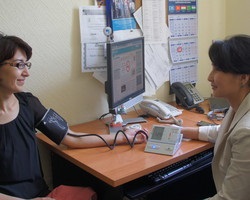
Mumbai: Indian medical experts are raising alarms after the European Society of Cardiology (ESC) revised its hypertension guidelines, increasing the diagnostic threshold for high blood pressure from 130/80 mmHg to 140/90 mmHg. While the ESC’s move reflects the cardiovascular risk profile of European populations, Indian doctors warn that adopting these relaxed standards could have serious consequences for public health in India.
Concerns Over Delayed Diagnosis
Indian cardiologists emphasize that the current Indian benchmark of 130/80 mmHg is crucial for early detection and management of hypertension, particularly among high-risk groups such as individuals with diabetes, kidney disease, or pre-existing heart conditions. Dr. B.C. Kalmath, Director of Cardiology at KIMS Hospitals in Thane, stated, “This aligns with the American Heart Association’s guidelines and allows for early intervention to prevent long-term complications.” He cautioned that raising the threshold could delay diagnosis and reduce opportunities for early lifestyle changes, which are most effective in the initial stages of the disease.
Population Differences Matter
Dr. Kalmath further explained that the ESC’s new “elevated blood pressure” category (120–139/70–89 mmHg) and higher diagnostic threshold are based on European risk factors. However, he warned this approach may not be suitable for Indian patients, who are more prone to cardiovascular disease at younger ages and lower blood pressure levels due to genetic predisposition, high salt intake, stress, and sedentary lifestyles. “Adopting a higher diagnostic threshold in India could result in many early-stage or borderline hypertension cases going undiagnosed and untreated—raising the risk of severe complications such as stroke, heart attack, heart failure, kidney disease, and vision loss,” Dr. Kalmath said.
Age-Specific Considerations
Dr. Swarup Swaraj Pal, Senior Consultant in Cardiovascular and Thoracic Surgery at Gleneagles Hospitals, noted that India’s standard blood pressure threshold is 140/80 mmHg for people under 50. For those above 60, a reading of 140/90 mmHg is considered acceptable due to age-related arterial changes. However, he cautioned that aggressively lowering blood pressure to 120/80 mmHg in elderly patients could cause dizziness and symptoms of low blood pressure.
Call for India-Specific Guidelines
Experts agree that while the ESC’s updated guidelines may suit European populations, India requires its own population-specific strategies. Regular screening, early diagnosis, and timely intervention remain the most effective tools to combat the growing burden of hypertension-related illnesses in the country.
Disclaimer: This article is based on expert opinions and current medical guidelines as referenced in the Free Press Journal. It is intended for informational purposes only and should not be considered a substitute for professional medical advice, diagnosis, or treatment. Always consult a qualified healthcare provider for personalized medical guidance.