 0
0
 0
0
In a pioneering surgical feat, a multidisciplinary team led by neurosurgeon Dr. Mohamed A.M. Labib at the University of Maryland Medical Center (UMMC) has successfully removed a rare spinal tumor from a 19-year-old woman through an unprecedented transorbital (eye socket) approach. This marks the first time such a technique has been used to extract a spinal tumor, opening new horizons in minimally invasive surgery.
A Rare and Complex Case
The patient, Karla Flores of Rosedale, Maryland, was diagnosed with a chordoma-a slow-growing, rare developmental bone tumor that wraps around the spine and spinal cord. With only about 300 cases diagnosed annually in the U.S., chordomas are notoriously difficult to treat due to their location and proximity to critical structures.
Innovative Surgical Approach
Traditionally, the transorbital route has been employed to access tumors in the brain and sinuses, but Dr. Labib and his team innovatively adapted this approach to reach the cervical spine. After extensive research in the Department of Neurosurgery’s Skull Base 360° Laboratory, including cadaver studies, Dr. Labib described the eye socket as “the third nostril” for accessing hard-to-reach skull base tumors.
Collaborative Expertise
Indian American facial plastic and reconstructive surgeon Dr. Kalpesh T. Vakharia played a vital role in the surgery. Instead of making external incisions, Dr. Vakharia carefully cut through the conjunctiva inside the lower eyelid, preserving the eye’s integrity. He also made an incision inside the mouth to remove parts of the eye socket and cheekbone, creating a pathway for surgical instruments to reach the cervical spine.
Dr. Vakharia emphasized the cosmetic benefits of this approach: “We wanted to develop a surgical plan where there would be no external scars and it would be impossible to tell that the patient even had surgery.”
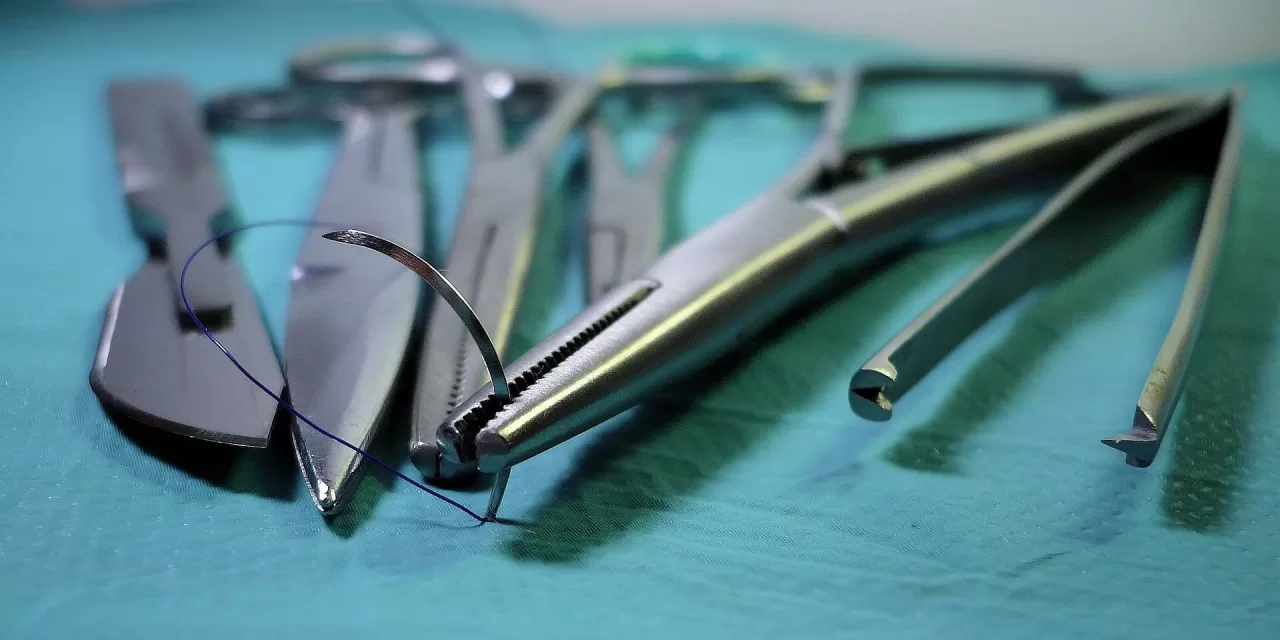
Working alongside Dr. Andrea M. Hebert, a head and neck surgeon, Dr. Labib meticulously drilled through vertebral bone to access and remove the tumor. Following tumor removal, Dr. Vakharia reconstructed the eye socket with a titanium plate and rebuilt the cheek using bone from the patient’s hip.
Comprehensive Care and Recovery
Karla underwent three surgeries last spring, followed by proton radiation therapy to eliminate any remaining cancer cells. Additionally, a neurosurgeon fused her C1 and C2 vertebrae to stabilize her spine. Today, she shows no evidence of cancer and is on the path to recovery.
Reflecting on the experience, Dr. Vakharia said, “It was amazing to have had the opportunity to be part of surgery that had never been done before.”
Disclaimer
This article is based on information from a University of Maryland Medical Center press release and related reporting by American Bazaar Online. The surgical procedure described is highly specialized and may not be suitable for all patients. Individuals should consult qualified medical professionals for diagnosis and treatment options tailored to their specific conditions.
Citations: