 0
0
 0
0
The Government of India has launched specialized training modules to strengthen chemical emergency preparedness in the health sector, aiming to enhance the country’s capability to prevent, detect, and manage chemical incidents effectively. Developed by the National Centre for Disease Control (NCDC) under the Ministry of Health and Family Welfare (MoHFW), in coordination with the National Disaster Management Authority (NDMA) and with technical support from WHO India, these modules focus on preparedness, pre-hospital response, and medical management of chemical emergencies. The initiative marks a shift from reactive response to systematic preparedness, vital for India’s expanding industrial economy, and supports compliance with the International Health Regulations (IHR 2005) for global health security. This article explores the key aspects of these training modules, their public health implications, expert commentary, and what they mean for daily health safety in India.
Key Developments: Training Modules Focus and Launch
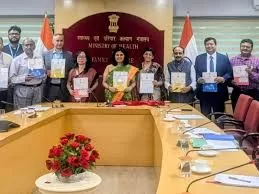
The training programme was formally launched on 23 October 2025 at Nirman Bhawan, New Delhi, by Punya Salila Srivastava, Secretary of Health and Family Welfare, with senior officials from various ministries in attendance. It introduces three specialized modules:
-
Module 1: Preparedness, surveillance, and response strategies for public health management of chemical emergencies.
-
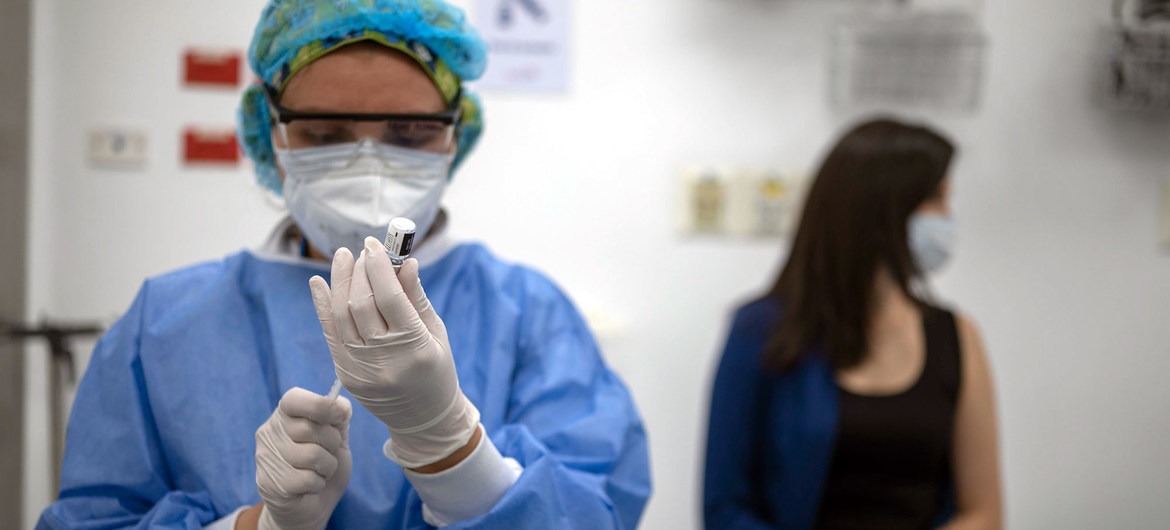
Module 2: Pre-hospital management, covering the identification of chemical hazards, patient triage, decontamination, and personal protective equipment (PPE) use.
-
Module 3: Medical management within hospitals, focusing on patient triage, hospital decontamination, initial treatment, and PPE protocols.
These modules serve to equip health professionals, emergency responders, and policymakers with standardized knowledge and operational skills crucial for minimizing casualties and protecting frontline workers during chemical incidents.
Expert Perspectives and Context
According to the Ministry of Health and Family Welfare, chemical emergencies are a growing threat due to rapid industrial development, which increases risks of accidental or uncontrolled releases of hazardous chemicals. Such incidents can severely impact human health, causing acute injuries, long-term consequences, and environmental damage.
“Preparedness is fundamental in chemical emergency response. Structured training ensures healthcare providers can swiftly identify chemical exposures, apply decontamination protocols, and manage complex toxicological emergencies safely.”
Historically, chemical incidents have challenged healthcare systems worldwide, often revealing gaps in hospital readiness and front-line worker safety. The modules address these vulnerabilities by incorporating lessons from global best practices and WHO guidance into India’s health security framework.
Public Health Implications
Beyond improving clinical care, these training modules reinforce the health-security architecture by promoting inter-agency coordination among health, environment, disaster management, and industrial safety authorities. Timely detection and reporting, efficient response, and community awareness are pivotal to reducing health risks and societal disruption.
Preparedness at multiple levels—from surveillance systems to hospital protocols—helps ensure rapid containment and treatment, ultimately reducing morbidity and mortality in affected populations. Enhanced training also bolsters accountability and governance in crisis management, which is crucial in densely populated, industrialized regions.
Limitations and Challenges
While the launch is a significant step forward, experts caution about challenges in nationwide rollout, especially ensuring uniform access in rural and resource-limited settings. Continuous updates to training content will be essential as chemical hazard profiles evolve with technological and industrial changes.
Effective implementation requires sufficient funding, certified trainers, and ongoing drills to maintain competency. Additionally, public awareness campaigns must complement professional training to educate communities on chemical safety and emergency procedures.
Practical Takeaways for Readers
For individuals, understanding basic chemical safety, recognizing warning signs of exposure, and knowing emergency contacts are critical preventive measures. In workplaces, adherence to safety protocols and proper PPE usage protect not only employees but also broader communities from chemical hazards.
Healthcare workers and first responders should seek certification in such specialized training for enhanced readiness. Policymakers must prioritize resource allocation and inter-sectoral cooperation to sustain the program’s momentum.
Medical Disclaimer
This article is for informational purposes only and should not be considered medical advice. Always consult with qualified healthcare professionals before making any health-related decisions or changes to your treatment plan. The information presented here is based on current research and expert opinions, which may evolve as new evidence emerges.
References
-
National Centre for Disease Control (NCDC), Ministry of Health and Family Welfare (MoHFW) India. Launch of Specialized Training Modules on Chemical Emergency Preparedness. Press Information Bureau, Government of India, 23 October 2025. https://www.pib.gov.in/PressReleasePage.aspx?PRID=2181694pib+2