 0
0
 0
0
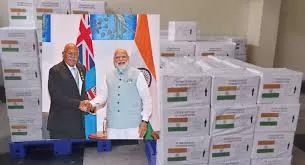
In a significant act of health diplomacy, India has dispatched a consignment of Anti-Retroviral (ARV) drugs to Fiji, reinforcing its commitment to supporting the island nation’s escalating public health challenge posed by a surge in HIV infections. This development, announced by India’s Ministry of External Affairs in October 2025, underlines growing international collaboration to combat infectious diseases within the Global South.
Key Developments and Context
The ARV drug shipment, labeled as a gift from the Government and people of India, aims to bolster Fiji’s healthcare system amid a dramatic rise in new HIV cases. According to the World Health Organization (WHO), Fiji has experienced a tenfold increase in new HIV infections over the past decade, with an alarming spike reported in 2024. The recent surge has triggered calls for urgent intervention to stabilize treatment access and expand prevention efforts to curb the epidemic.
India’s commitment reflects a longstanding partnership with Fiji’s health sector. This is not the first such consignment; previous deliveries occurred in 2021, 2022, and August 2023, with donations including not only ARV drugs but also tuberculosis medication to support the broader infectious disease response. The August 2023 consignment alone was valued at over FJ$280,000, handed over in a formal ceremony attended by dignitaries from both governments and UNAIDS representatives. This sustained support aligns with India’s global health diplomacy efforts, where Indian generic pharmaceutical manufacturers have played a transformative role by increasing access to affordable, quality medicines in low- and middle-income countries.
Expert Commentary
Dr. Atonio Rabici Lalabalavu, Fiji’s Minister for Health and Medical Services, expressed gratitude for India’s ongoing assistance during this critical period of rising HIV prevalence. He emphasized the importance of international solidarity and the government’s active measures to address the epidemic through improved treatment and prevention strategies.
UNAIDS Goodwill Ambassador for the Pacific, Ratu Epeli Nailatikau, highlighted that India’s support is a powerful demonstration of partnership and commitment to tackling HIV in the Pacific region. The availability of advanced ARV treatments, facilitated by these donations, is crucial in managing patient care and preventing further transmission.
From India’s perspective, the Ministry of External Affairs spokesperson underscored the country’s dedication to strengthening health partnerships with the Global South, linking this consignment to broader humanitarian needs and regional cooperation. Indian pharmaceutical innovation continues to drive efforts toward more effective, long-acting HIV treatments and expanding access to preventive measures like PrEP and PEP, contributing to the global objective of ending AIDS as a public health threat.
Implications for Public Health
The infusion of ARV drugs into Fiji’s health supply is critical as the nation wrestles with a surge in HIV infections, reported to have increased by over 260 percent in recent years, particularly among young people aged 20-39 years. ARV therapy works by suppressing the HIV viral load, allowing immune system recovery and preventing progression to AIDS. Furthermore, effective ARV treatment reduces the risk of virus transmission, serving as a key component of HIV prevention strategies.
However, the scale of Fiji’s HIV epidemic requires multifaceted approaches beyond medication access. Strengthening HIV testing, treatment adherence, community education, and addressing social determinants such as drug use patterns are essential to curbing transmissions. The World Health Organization emphasizes that HIV is far from over, especially in regions like the Western Pacific, where new infections are rising.
Additionally, the collaborative programs involving UN agencies and government procurement projects ensure that essential medicines are efficiently supplied, reaching vulnerable populations and supporting sustainable health infrastructure development in Fiji.
Limitations and Counterarguments
Despite these advances, challenges persist. The increase in HIV cases signals gaps in prevention and health education that ARV drugs alone cannot fix. Moreover, the sustainability of such international aid must be coupled with strengthening local health systems to manage ongoing treatment demands independently. Concerns about medication adherence, potential drug resistance, and addressing stigma also require continuous attention.
Balanced reporting necessitates acknowledging that while Indian generic drug production has been transformative for access, ongoing research and development are crucial for next-generation HIV therapies and vaccines, which India is actively pursuing in collaboration with global partners.
Practical Takeaways for Readers
For individuals and communities, this international health collaboration highlights the critical importance of regular HIV testing, early initiation of treatment, and adherence to prescribed ARV regimens to achieve viral suppression. Prevention strategies, including safe sexual practices and harm reduction, remain cornerstones of controlling HIV spread. The global support exemplified by India’s donations reinforces that HIV remains a significant public health issue requiring collective responsibility and sustained commitment.
Medical Disclaimer: This article is for informational purposes only and should not be considered medical advice. Always consult with qualified healthcare professionals before making any health-related decisions or changes to your treatment plan. The information presented here is based on current research and expert opinions, which may evolve as new evidence emerges.
References