 0
0
 0
0
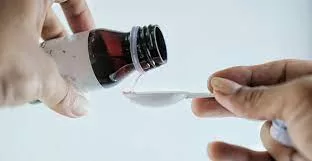
The World Health Organization (WHO) has warned that India still has significant work to do to prevent the circulation of toxic syrup-based medicines, even as it takes steps toward tighter pharmaceutical oversight. The caution comes in the wake of recent deaths of 24 children linked to contaminated cough syrup produced by a domestic manufacturer, highlighting persistent regulatory gaps and enforcement failures in drug safety.
Deadly Cough Syrup Tragedy and Global Echoes
In recent months, India has faced renewed scrutiny after at least 24 children died from Coldrif cough syrup produced by Sresan Pharma. Laboratory tests revealed the presence of diethylene glycol—a highly toxic compound used in industrial solvents—at levels nearly 500 times above the permissible limit . The tragedy followed similar incidents in 2022 where over 300 children across the world—mostly in The Gambia, Uzbekistan, and Indonesia—died from consuming syrups contaminated with the same substances.
While the Indian government pledged reforms following those earlier cases, WHO officials emphasized that enforcement remains inconsistent and incomplete. “India has made some strides,” said Rutendo Kuwana, WHO’s team lead for incidents involving substandard and falsified medicines. “But there’s a lot that needs to be done. It’s a big market, with tens of thousands of manufacturers and many states to deal with” .
The Regulatory Gap: Export vs. Domestic Oversight
India enacted a new rule requiring all syrup medicines meant for export to be tested for toxins such as diethylene glycol (DEG) and ethylene glycol. However, no equivalent mandate exists for syrups destined for India’s domestic market. WHO officials call this a “regulatory gap” that leaves millions of Indian consumers vulnerable to unsafe medicines .
The Indian government reportedly plans to scrap the export testing rule after pharmaceutical companies upgrade their manufacturing systems to international standards by the end of this year—a move that has raised concern among global health experts. According to WHO, testing should be conducted consistently throughout production, not merely before export.
Dr. Rajesh Kumar, a public health policy expert at AIIMS Delhi, commented that “India’s pharmaceutical reputation depends on robust national standards, not parallel systems for export and domestic use. The current unevenness erodes public trust and increases consumer risk.”
Enforcement Challenges and Accountability Issues
The Central Drugs Standard Control Organisation (CDSCO), India’s primary drug regulator, has acknowledged enforcement irregularities. In October, the agency admitted that some firms failed to test raw materials and final products as required by law . Despite these acknowledged lapses, WHO notes that no one has been held criminally accountable for previous toxic syrup episodes in India that caused deaths abroad—a situation Kuwana described as “a big disappointment.”
“This is not just selling fake shoes,” Kuwana said. “If you don’t follow the rules, it’s criminal, because it has devastating consequences” .
These statements underscore ongoing frustration within the global health community over limited accountability in pharmaceutical safety cases.
Progress in Detection and Capacity Building
Despite criticism, WHO recognized that India has made partial progress in strengthening quality control systems. A new, cost-effective testing method for detecting contaminants like DEG and ethylene glycol has been developed, and WHO has trained neighboring countries, including Pakistan, on its use. Although Indian representatives did not attend the training, the nation has since confirmed it is implementing the new test, Kuwana said .
Dr. Leena Nair, a pharmaceutical safety expert formerly with the Indian Pharmacopoeia Commission, believes these steps are encouraging but incomplete. “Testing technology is only part of the solution. Without consistent inter-state enforcement and criminal accountability, substandard manufacturing will remain a persistent threat,” she noted.
The Broader Public Health Impact
Diethylene glycol poisoning can lead to acute kidney failure, neurological damage, and death—particularly in children, who are more susceptible to the compound’s toxic effects. Even trace amounts can be fatal. The repeated emergence of such incidents has damaged trust in India’s pharma exports, prompting several countries to increase scrutiny or temporarily ban certain products.
For a nation often hailed as the “pharmacy of the developing world,” this ongoing issue threatens to tarnish India’s global standing. According to WHO, the scale of India’s pharmaceutical sector—with over 3,000 companies and tens of thousands of manufacturing sites—poses unique challenges for regulatory oversight and coordination across states and agencies .
Balancing Growth and Safety
India’s ambition to expand its global pharmaceutical export market contrasts sharply with its need for stronger internal compliance systems. Public health experts argue that ensuring medicine quality at home is as vital as maintaining export credibility.
Dr. Anil Mehta, a former senior official at India’s Drug Controller General office, said, “India must treat domestic consumers with the same level of safety assurance it provides to global buyers. Regulation should not depend on where the medicine is sold.”
Looking Ahead
WHO continues to advocate for unified, nationwide implementation of medicine testing and transparency measures, calling for stronger enforcement mechanisms and punitive actions for non-compliance. It has also urged international collaboration to address cross-border pharmaceutical safety risks.
For consumers, the message is clear: purchase medicines only from reputable pharmacies and look for approved brands tested under current regulatory standards. Healthcare providers, meanwhile, are encouraged to report adverse reactions or suspected counterfeit medicines to local authorities promptly.
Medical Disclaimer
Medical Disclaimer: This article is for informational purposes only and should not be considered medical advice. Always consult with qualified healthcare professionals before making any health-related decisions or changes to your treatment plan. The information presented here is based on current research and expert opinions, which may evolve as new evidence emerges.
References
- https://www.reuters.com/business/healthcare-pharmaceuticals/who-says-india-has-much-do-toxic-cough-syrup-despite-some-progress-2025-10-21/