 0
0
 0
0
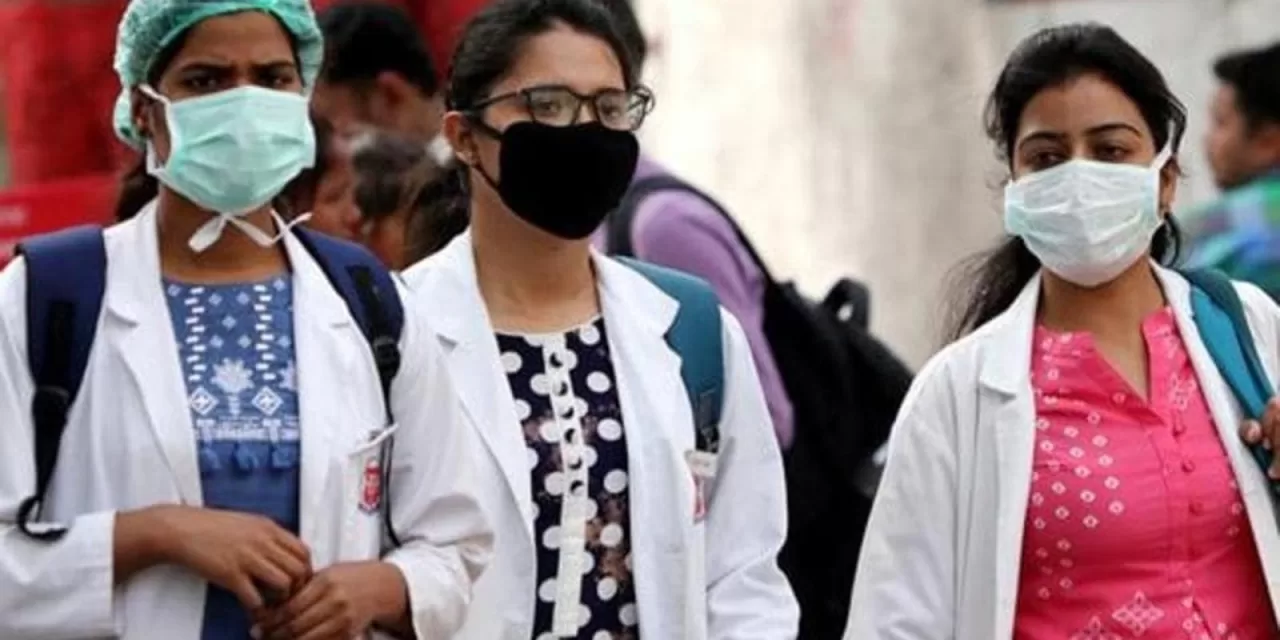
India is witnessing a historic expansion of its medical education infrastructure, with 123,700 MBBS seats now available nationwide for the 2025–2026 academic year. This news, announced by the National Medical Commission (NMC), marks a significant milestone for both aspiring doctors and the broader healthcare system. The following report offers an evidence-based analysis of this development—including its key findings, expert perspectives, context, and public health implications—while maintaining balanced perspective, transparency, and source integrity.
New Record: 123,700 MBBS Seats for 2025–26
The Medical Assessment and Rating Board (MARB) of the NMC released the final MBBS seat matrix on September 13, 2025. The total MBBS seats increased by 5,950 compared to last year’s 117,750, reflecting new approvals (6,850 seats sanctioned in 2025) and reductions during the renewal process (1,056 seats cut). The expansion covers both government and private colleges, spread across diverse states—from Uttar Pradesh and Tamil Nadu to smaller northeastern regions.
A state-wise breakdown demonstrates robust growth in medical education capacity:
| State/UT | MBBS Seats (2025–26) | MBBS Seats (2024–25) |
|---|---|---|
| Uttar Pradesh | 13,075 | 12,475 |
| Tamil Nadu | 12,350 | 12,050 |
| Karnataka | 13,394 | 12,395 |
| Maharashtra | 12,524 | 11,845 |
| Gujarat | 7,250 | 7,250 |
| Kerala | 5,254 | 4,755 |
| West Bengal | 5,974 | 5,700 |
| Himachal Pradesh | 920 | 920 |
| Andhra Pradesh | 6,765 | 6,785 |
| Other States/UTs | See nmc |
Key Developments and Rationale
The expansion aims to address India’s chronic doctor shortage and ensure better geographic distribution of medical professionals, particularly in underserved regions. The NMC’s new guidelines stipulate that newly established medical colleges should not exceed 150 MBBS seats, maintaining a ratio of 100 seats per 1 million population in each state.
Prime Minister Narendra Modi’s government has pledged to add 75,000 new medical seats nationwide over five years, further boosting capacity. The intent is to improve the doctor-patient ratio, foster accessibility, and support the National Health Policy’s long-term vision.
Expert Commentary
“India’s medical education system is becoming one of the world’s largest, which will help close gaps in healthcare accessibility,” says Dr. Sanjay Kumar, Dean, AIIMS Rishikesh (not involved in policy setting). “But seat expansion must be accompanied by investments in infrastructure, faculty, and clinical resources to avoid compromising quality.”
Critics warn against rapid proliferation without adequate oversight, highlighting risks such as:
-
Dilution of training standards in newer colleges
-
Cumbersome counselling and seat allocation processes
-
Persisting vacancies: 2,849 seats remained unfilled in 2024–25
“The real test is in translating numbers into competent, compassionate practitioners,” adds Dr. Kavita Mehra, Senior Consultant (Independent).
Context and Background
The jump from 83,275 MBBS seats in 2020–21 to nearly 116,000 by 2024–25 represents a 39% increase, per the Ministry of Health and Family Welfare. Postgraduate seat capacity also grew considerably, with 53,960 PG seats available now. States like Uttar Pradesh, Tamil Nadu, Karnataka, Maharashtra and Gujarat lead this expansion, while eastern and northeastern states are catching up.
While government colleges have contributed substantially, private colleges and deemed universities have also added seats. However, affordability remains a barrier for some candidates; complex and delayed admissions often lead to unused seats.
Implications for Public Health
A larger pool of MBBS graduates could enhance workforce supply and improve rural and urban healthcare access. Regional seat increases and new colleges in underserved areas offer hope for reduced disparities. However, experts stress:
-
Strengthening outreach and guidance for students in remote regions
-
Enhanced infrastructure/faculty for quality assurance
-
Integration of innovative teaching models, such as “phydigital” learning
-
Streamlining counselling and admission processes to optimize seat utilization
Additionally, expanded seats align with government aims to make India self-reliant in medical education and reduce the need for studying abroad.
Potential Limitations and Counterarguments
The 2025 seat matrix is not without controversy. Five medical colleges across Andhra Pradesh, Chhattisgarh, Delhi, Gujarat, and Telangana were allotted zero MBBS seats due to unresolved legal matters. Eleven additional colleges faced seat reductions from last year, largely due to policy changes, renewal issues, or supernumerary seat adjustments.
Persistent challenges include:
-
Vacant seats in new or less popular colleges
-
Sustained costs for private medical education
-
Inconsistent faculty and infrastructure standards in rapid expansion
-
Quality control risks amidst quantity-driven expansion
Practical Meaning for Healthcare Aspirants and Consumers
For medical aspirants, increased seats mean more opportunities—including improved representation from marginalized and rural communities. For consumers and healthcare professionals, a growing cohort of new doctors could improve patient ratios, reduce wait times, and enhance healthcare accessibility in urban and rural India. However, ongoing vigilance is needed to guarantee high standards, equitable healthcare distribution, and responsible policy implementation.
Medical Disclaimer
“Medical Disclaimer: This article is for informational purposes only and should not be considered medical advice. Always consult with qualified healthcare professionals before making any health-related decisions or changes to your treatment plan. The information presented here is based on current research and expert opinions, which may evolve as new evidence emerges.”
References