 0
0
 0
0
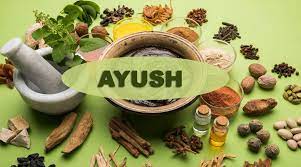
India is reinforcing its position as a global leader in the regulation and quality assurance of herbal medicines, setting new standards for safety, efficacy, and international cooperation. At the heart of this progress is the recently inaugurated WHO–International Regulatory Cooperation for Herbal Medicines (IRCH) workshop, held in Ghaziabad from August 6–8, 2025. Spearheaded by the Ministry of Ayush, in partnership with the World Health Organization (WHO), experts from over a dozen nations convened to drive regulatory convergence and elevate quality benchmarks for herbal products—a sector witnessing significant growth among both healthcare professionals and the public.
Key Developments: The WHO–IRCH Workshop
The three-day international event, planned collaboratively by the Ministry of Ayush and the PCIM&H, brought together a diverse array of stakeholders—including regulators, researchers, and policymakers—to address the pressing need for harmonized safety protocols, clinical validation, and robust manufacturing practices in traditional medicines. Delegations from Poland, Nepal, Bhutan, Japan, Indonesia, Cuba, and other nations joined in person, with participants from the USA, Egypt, and Brazil attending virtually.
As the lead country for WHO–IRCH Working Groups 1 and 3, India showcased its strategies for quality control and safety surveillance, especially through the introduction of the Ayush Suraksha Programme—a pharmacovigilance initiative aimed at monitoring adverse events and ensuring consumer protection.
What’s New?
-
Hands-on training in pharmacognostic and chemical analysis;
-
Site visits to leading Ayush institutions for global exposure to India’s integrative health infrastructure;
-
Launch of Ayush Suraksha for enhanced pharmacovigilance;
-
Technical sessions on regulatory frameworks, heavy metal testing, chemo-profiling, and clinical validation techniques.
Context: Why Quality and Safety Matter
Herbal medicine use is surging worldwide, with an estimated 80% of the global population relying on some form of traditional medicine for primary health care. However, the therapeutic potential of herbal products is often undermined by inconsistencies in quality, risks of contamination, and a lack of unified regulatory oversight. Quality assurance—encompassing standardization, contaminant testing, authenticity verification, and stability assessments—remains central to consumer safety and public health outcomes.
Leading experts stress the importance of Good Manufacturing Practices (GMP), rigorous preclinical and clinical studies, and standardized protocols for sourcing and processing raw materials. Rapid advancements in technologies such as DNA barcoding and metabolite profiling are promising tools for authenticating herbs and detecting adulterants, offering new avenues for quality control.
“India’s leadership in setting herbal medicine safety standards signals a paradigm shift for global health. The integration of robust pharmacovigilance and international best practices will benefit consumers and practitioners alike,” said Dr. Manisha Singh, Clinical Pharmacologist at AIIMS, who was not involved in the workshop.
Statistical Context and Implementation
India’s Ministry of Ayush—established as a dedicated ministry in 2014—oversees research, advocacy, and education across Ayurveda, Yoga, Unani, Siddha, Sowa-Rigpa, and Homeopathy. PCIM&H, as its technical arm, is pivotal in driving pharmacopoeial standards and promoting scientific validation. The IRCH workshop in 2025 marks one of the largest collaborative efforts globally to align safety and efficacy measures for herbal medicines.
The Ayush Suraksha Programme, modeled on international pharmacovigilance norms, sets forth a system for reporting and analyzing adverse events related to herbal products, addressing a long-standing gap in consumer safety monitoring.
Practical Implications for Public Health
For health-conscious consumers and medical professionals, India’s new benchmarks mean greater assurances of product quality, more transparent labeling, and improved safety through surveillance programs. Regulatory harmonization facilitates safer cross-border trade and enhances confidence in traditional medicine, both within India and abroad.
-
Individuals choosing herbal medicines should look for GMP-certified products and consult healthcare providers regarding use, dosing, and potential interactions.
-
Practitioners are encouraged to participate in reporting adverse events and to follow updated protocols for prescribing and monitoring herbal products.
Limitations and Counterarguments
Despite the progress, several challenges persist:
-
Variability: Herbal medicines can show variability in efficacy due to differences in cultivation, regional genetics, and processing techniques.
-
Underreporting: Adverse events remain underreported, partly due to lack of awareness and stigma around traditional medicine.
-
Complexity in Standardization: Unlike synthetic drugs, herbal products involve complex mixtures of phytochemicals, complicating quality control.
-
Regulatory Gaps: International regulatory standards for herbal medicines are still evolving, with some countries lagging behind in implementation.
Diverse Perspectives
While Indian officials and WHO representatives strongly endorse standardized approaches, critics argue that regulations should also integrate traditional knowledge and local practices, ensuring that innovation does not stifle centuries-old wisdom. Some researchers advocate more real-time monitoring and data-driven models using AI, while others warn against over-reliance on Western standards.
What This Means for You
For the general public, India’s enhanced quality and safety benchmarks offer increased confidence in herbal products but also a reminder to stay informed and vigilant. Always seek out peer-reviewed, GMP-certified products and consult with qualified professionals before starting any new regimen.
Medical Disclaimer
Medical Disclaimer: This article is for informational purposes only and should not be considered medical advice. Always consult with qualified healthcare professionals before making any health-related decisions or changes to your treatment plan. The information presented here is based on current research and expert opinions, which may evolve as new evidence emerges.
References