 0
0
 0
0
National Institute of Nutrition and FSSAI Issue New Guidelines
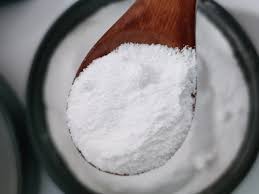
In a nationwide move to combat the alarming rise of lifestyle-related health issues, the Hyderabad-based ICMR-National Institute of Nutrition (NIN), in collaboration with the Food Safety and Standards Authority of India (FSSAI), has set new daily intake limits for sugar and edible oils. These guidelines, shaped by the Union health ministry’s recent regulations, recommend that individuals restrict their sugar consumption to 25g per day and their intake of edible oil, ghee, and butter to 30g per day.
The new guidelines will soon be displayed across all central government institutions — including schools, colleges, and public offices — and have been forwarded to CBSE and ICSE schools nationwide, highlighting the vulnerability of India’s large adolescent population to lifestyle health risks.
Key Reasons Behind the Recommendations
-
Rising Lifestyle Diseases: Health experts emphasize that lifestyle diseases are on a rapid rise, affecting not just high-income groups but also low-income populations.
-
Public Awareness: The initiative aims to make people more conscious of their daily intake, particularly concerning foods high in fat, sugar, and salt.
-
Balanced Diet: Monitoring total body fat, rather than just weight, and maintaining a balanced intake are highlighted as crucial steps to curb non-communicable diseases (NCDs) like diabetes, obesity, hypertension, and heart disease.
-
Genetic Factors: Experts note that Asian Indian genes have a propensity to store fat more easily, compounding the risk.
Insights from Experts
Dr Swetha A, a clinical dietician, highlighted that many Indians unknowingly exceed recommended limits due to processed foods, sugary beverages, and traditional cooking practices. “Added sugar, found in tea, coffee, and biscuits, provides empty calories without nutrition,” she said. Oils and fats are also often consumed in both visible forms (used in curries) and invisible forms (from nuts, seeds, dairy, and processed foods).
Dr Avula Laxmaiah, a public health nutrition expert, stressed that reducing oil and sugar even slightly in daily meals can contribute significantly to disease prevention. He also pointed out the danger of reduced physical activity in exacerbating these risks.
One Soft Drink Can Break the Limit
A single 500ml serving of an ultra-processed soft drink can provide more than the recommended daily sugar intake. This underlines the importance of monitoring not only direct sugar use but also hidden sugars in processed and packaged foods. The new regulations have halved the previous sugar limit, reflecting current health challenges.
The Alarming Numbers
-
India’s Obesity Crisis: According to a 2025 Lancet study cited by the health ministry, the number of obese adults in India could rise from 180 million in 2021 to 449 million in 2050, putting India in the world’s second spot for obesity rates.
-
Hyderabad Case: Local surveys indicate that one in three households in Hyderabad is currently affected by a lifestyle disease.
What Can Individuals Do?
-
Monitor daily intake of added sugars and oils.
-
Use a variety of cooking oils for diverse health benefits.
-
Focus on whole foods rather than processed and packaged options.
-
Maintain a physically active lifestyle alongside dietary changes.
Disclaimer
This article is intended for informational purposes only. Dietary needs can vary widely based on individual health, age, and activity levels. Please consult a healthcare professional or qualified dietician for personalized advice before making significant changes to your diet or lifestyle.