 0
0
 0
0
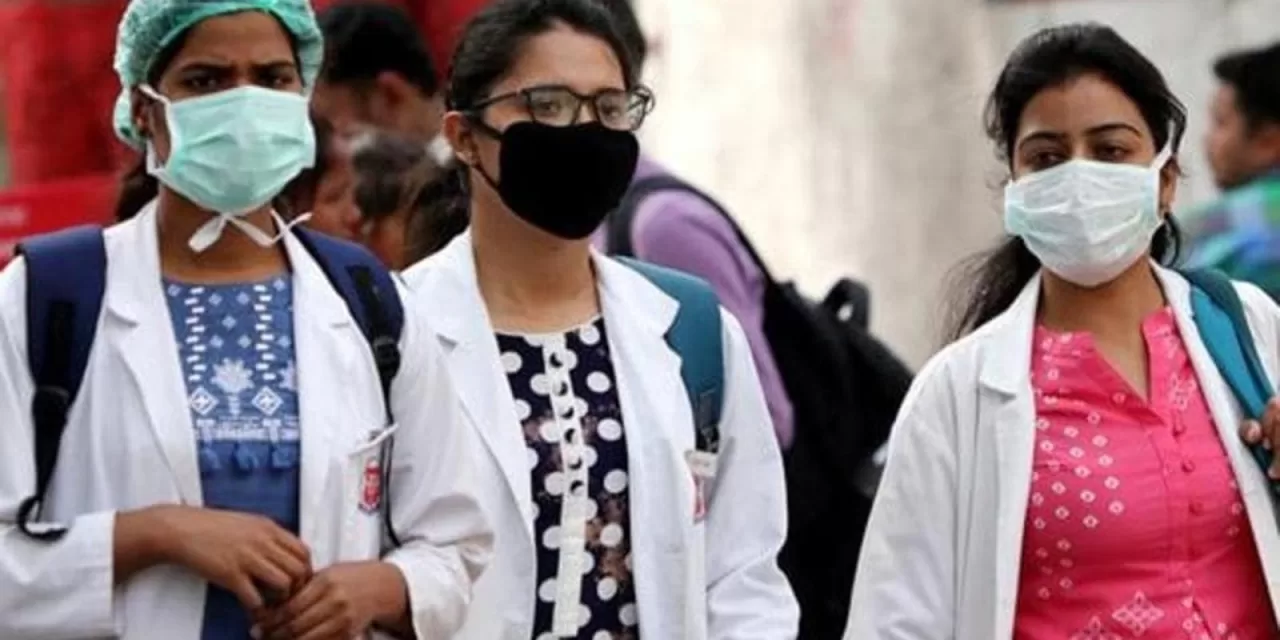
In a significant development for medical education in India, the National Medical Commission (NMC) has announced a nationwide increase in MBBS seats for the academic year 2025. The Medical Counselling Committee (MCC) will tentatively begin Round 2 of NEET-UG 2025 counselling from August 29, aiming to accommodate both newly approved and expanded seats. This move comes amid ongoing reforms to address the country’s physician shortage and improve the quality and accessibility of healthcare.
Key Findings and Developments
India’s MBBS seat pool has grown rapidly: In 2025, there are now 1,18,148 MBBS seats available nationwide, up from 1,12,112 in 2024—a net increase of around 6,000 seats. The expansion includes both government and private medical colleges, with government institutions now offering 59,782 seats and private/deemed universities 58,366 seats. The country hosts 780 accredited medical colleges.
According to Dr. Abhijat Sheth, NMC Chief, “We expect an increase of roughly around 8,000 seats (UG and PG seats combined) based on the number of applications we have received this academic year,” confirming that new seats are being added in previously underserved regions. Inspections to approve and accredit colleges are ongoing, and the final seat matrix will be released just prior to the start of Round 2 counselling.
Round 1 NEET-UG counselling has already concluded, and the revised schedule for Round 2 will be published by the MCC. The seat increase will be included in the next round; the current tentative start date is August 29, 2025.
Expert Commentary
Dr. Rakesh Yadav, Professor of Medicine at AIIMS New Delhi (not involved with the reforms), explains: “Increasing MBBS seats is essential for India’s goal of one doctor per 1,000 people by 2030. However, rapid expansion must be matched by quality faculty and infrastructure to ensure meaningful outcomes.”
Dr. Sunitha Menon, Medical Educator and NEET counsellor, cautions: “While the seat increase gives more students hope, the intense competition—over 20 lakh NEET applicants annually—means strategic preparation and transparent counselling are still crucial. Students should consider factors like college reputation, clinical exposure, and geographic distribution, not just seat numbers.”
Context and Background
Since 2014, India has experienced a dramatic 118% surge in MBBS seats, part of a government push to strengthen healthcare infrastructure and tackle physician shortages in both urban and remote regions. Southern states such as Tamil Nadu and Karnataka lead in expanded capacity, thanks to robust educational investment and policy support. Tamil Nadu alone offers 6,225 government MBBS seats, Maharashtra 4,825, and Karnataka 11,745 total seats including private colleges.
The increase also seeks to address equity, with reservation policies in place: SCs (15%), STs (7.5%), OBCs (27%), EWS (10%), and PwD (5%). Approximately 15% of seats fall under the All India Quota (AIQ), open to candidates nationwide.
In recent years, seat approvals slowed due to a CBI investigation into NMC and the Health Ministry. With reforms underway and renewed oversight, expansion has resumed, albeit with an emphasis on quality assurance.
Implications for Public Health
-
Greater Access: The rise in MBBS seats will give thousands of additional students the opportunity to pursue medicine, potentially boosting the country’s doctor-to-population ratio.
-
Regional Equity: Increased seats in underserved states should help narrow the gap between urban and rural healthcare availability.
-
Healthcare Quality: More medical graduates means the potential for better primary care, maternal and child health, and chronic disease management, especially in states historically facing doctor shortages.
Practical Implications for Students and Families
-
Students have more options to secure a seat, but competition remains fierce. In 2025, there are likely over 20 applicants per available MBBS seat, so high NEET scores and informed choices during counselling are critical.
-
Government colleges remain highly sought after due to subsidized fees (₹10,000–₹50,000 annually) and strong reputation, while private colleges may charge between ₹10–₹25 lakh per year. Quality and exposure can vary, so research is key.
-
State-wise seat distribution favors southern and populous states, but new colleges are emerging in the northeast and northern heartland, improving access for formerly underserved students.
-
The MCC will update the seat matrix and counselling portal regularly; students should monitor for changes and prepare necessary documentation early.
Limitations and Counterarguments
-
Infrastructure Stress: Rapidly increasing seats risks straining clinical and teaching resources, particularly in newer or less established colleges.
-
Quality Assurance: Expansion must not compromise educational standards, faculty strength, or clinical training opportunities.
-
High Competition: The seat increase, while substantial, may not proportionately reduce stress or improve chances for all candidates due to the sheer volume of aspirants.
Balanced Perspective
While the NMC’s expansion is a positive step towards improving access and addressing India’s healthcare workforce gap, experts warn that systemic challenges remain. Students and families are encouraged to look beyond seat numbers and closely evaluate by college accreditation, training quality, and location when making decisions.
Medical Disclaimer
Medical Disclaimer: This article is for informational purposes only and should not be considered medical advice. Always consult with qualified healthcare professionals before making any health-related decisions or changes to your treatment plan. The information presented here is based on current research and expert opinions, which may evolve as new evidence emerges.
References
-
NMC to increase MBBS seats, NEET 2025 Round 2 counselling tentatively from August 29: MCC. Medical Dialogues, 2025. https://medicaldialogues.in/news/education/medical-admissions/nmc-to-increase-mbbs-seats-neet-2025-round-2-counselling-tentatively-from-august-29-mcc-153885