 0
0
 0
0
NEW DELHI — As India prepares for the seasonal shift toward summer and the subsequent monsoon rains, the Ministry of Health and Family Welfare (MoHFW) has announced a massive escalation in its national strategy to combat vector-borne diseases (VBDs). With a focus on Malaria elimination and the stringent control of Dengue and Japanese Encephalitis (JE), the Government of India is deploying a combination of free-of-cost vaccinations, expanded diagnostic networks, and “inter-sectoral convergence” to protect vulnerable populations.
In a written reply to the Rajya Sabha on March 17, 2026, Union Minister of State for Health and Family Welfare, Smt. Anupriya Patel, detailed the federal government’s role in supporting State and Union Territory (UT) governments. While public health remains a “State Subject” under the Indian Constitution, the Central Government is providing critical financial and technical lifelines through the National Health Mission (NHM).
A Shield for the Young: The JE Vaccination Push
One of the most significant pillars of the current strategy is the protection of children against Japanese Encephalitis, a serious viral infection transmitted by mosquitoes that can cause brain inflammation.
The government has integrated the JE vaccine into the Universal Immunization Programme (UIP), offering two doses free of charge for children aged 9–12 months and 16–24 months. JE remains a significant public health challenge in specific “endemic” pockets of India—areas where the virus is consistently present—making these early-life interventions vital for reducing pediatric mortality and long-term neurological disability.
Expanding the Diagnostic Safety Net
For many families in rural and semi-urban India, the cost of specialized medical testing can be a barrier to timely treatment. To address this, the Government has established an extensive network of Sentinel Surveillance Hospitals (SSHs) and Apex Referral Laboratories (ARLs) across the country.
These facilities offer:
-
Free Diagnosis: Testing for Dengue and JE is provided at no cost to the patient.
-
Supplied Test Kits: The Central Government directly provides high-quality diagnostic kits to these centers to ensure standardized results.
-
Early Detection: By catching cases earlier through active and passive surveillance, health officials can trigger “Rapid Response” protocols to prevent localized outbreaks from becoming full-scale epidemics.
The Strategy of “Integrated Vector Management”
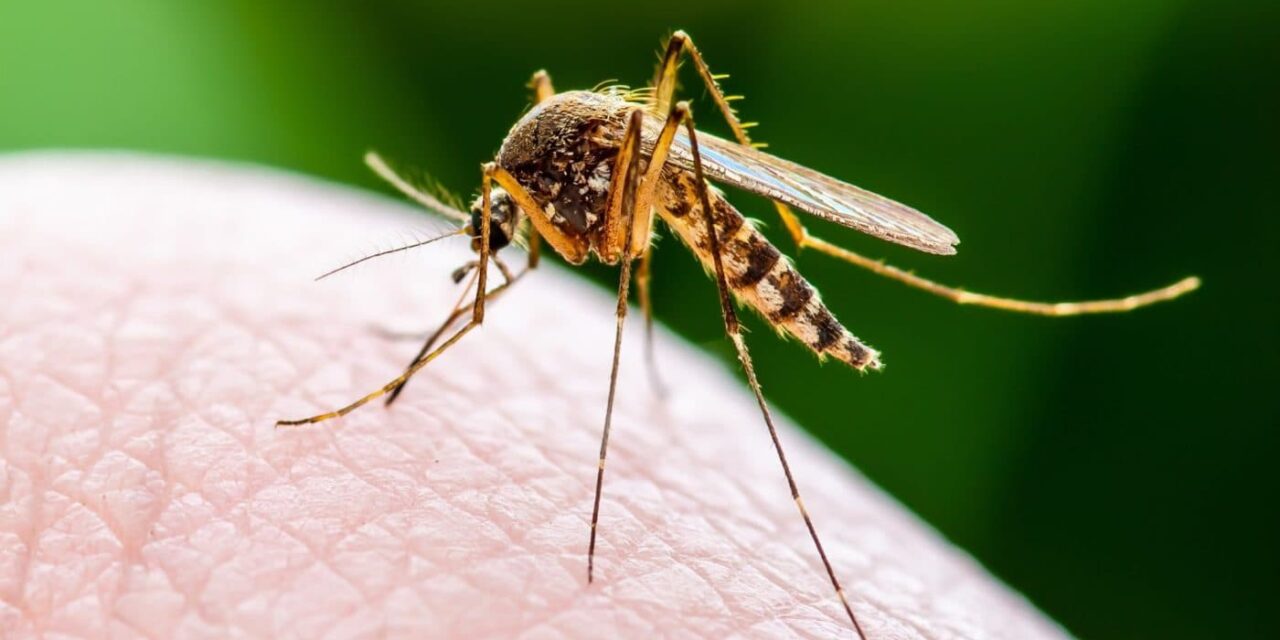
Fighting diseases like Malaria and Dengue requires more than just treating the sick; it requires stopping the mosquitoes at the source. This year’s initiative emphasizes Integrated Vector Management (IVM), a multifaceted approach to pest control:
-
Indoor Residual Spraying (IRS): Specialized insecticides are applied to the inner walls of homes in high-risk areas to kill resting mosquitoes.
-
Long-Lasting Insecticidal Nets (LLINs): Distribution of treated bed nets remains a primary defense in high Malaria-endemic zones.
-
Biological Controls: The use of “larvivorous fish”—species that eat mosquito larvae—in local water bodies provides a chemical-free way to reduce mosquito populations.
-
Environmental Engineering: Minor structural changes to drainage and water storage are being promoted to eliminate stagnant water where mosquitoes breed.
Expert Perspective: The Power of Coordination
Public health experts note that the success of these programs often hinges on “inter-sectoral convergence”—the idea that health departments cannot work in isolation.
“Vector control is as much about urban planning and waste management as it is about medicine,” says Dr. Aranya Sen, a public health consultant not involved in the government report. “The joint review between the Ministry of Health and the Ministry of Housing and Urban Affairs is a crucial step. When municipal corporations clean drains and manage solid waste effectively, the burden on our hospitals drops significantly.”
Dr. Sen adds that while the government’s provision of free kits and vaccines is “monumental,” the final mile depends on community participation. “If a resident clears the stagnant water in their cooler or flower pot, they are doing more for Dengue prevention than any chemical spray could.”
Behavioral Change: Beyond the Clinic
The government is also leaning heavily into Behaviour Change Communication (BCC). Recognizing that awareness is the first line of defense, the National Centre for Vector Borne Diseases Control (NCVBDC) has scheduled several high-visibility campaigns:
-
World Malaria Day (April 25) and Anti-Malaria Month (June).
-
National Dengue Day (May 16) and Anti-Dengue Month (July).
These dates are used to flood social media, radio, and newspapers with practical advice on “source reduction”—the simple act of emptying containers that hold water.
Challenges and Limitations
Despite these robust measures, challenges remain. India’s diverse climate and rapid urbanization create ideal breeding grounds for the Aedes aegypti (Dengue) and Anopheles (Malaria) mosquitoes. Critics and independent researchers often point out that while surveillance is improving, the “asymptomatic” nature of many vector-borne cases means official numbers may still underrepresent the true scale of the disease burden.
Furthermore, the effectiveness of insecticides is a moving target, as mosquitoes can develop resistance over time, requiring constant research and rotation of chemicals.
What This Means for You
For the average citizen, the government’s announcement serves as both a reassurance and a call to action.
-
Utilize Free Resources: Ensure children receive their scheduled JE vaccinations at government health centers.
-
Seek Early Care: If you or a family member experiences high fever, severe headache, or joint pain, visit a Sentinel Surveillance Hospital for free testing.
-
Home Prevention: Support the “source reduction” movement by ensuring no stagnant water exists in or around your home for more than seven days.
As the Union Minister’s reply suggests, while the government provides the tools—the kits, the nets, and the vaccines—the ultimate victory over vector-borne diseases is a collective responsibility shared by the state, the municipality, and the citizen.
Medical Disclaimer: This article is for informational purposes only and should not be considered medical advice. Always consult with qualified healthcare professionals before making any health-related decisions or changes to your treatment plan. The information presented here is based on current research and expert opinions, which may evolve as new evidence emerges.
References
Official Sources:
-
Press Information Bureau (PIB). (2026, March 17). Steps taken for Prevention and Control of Vector-Borne Diseases. Ministry of Health and Family Welfare, Government of India.