 0
0
 0
0
New Delhi — In a promising development for public health, India has recorded a substantial decline in dengue fever cases in 2025, marking the lowest incidence of the vector-borne disease in four years. According to a government report presented in the Rajya Sabha this week, the country registered 1,13,440 dengue cases and 94 deaths between January and November 2025.
The data, released by Minister of State for Health and Family Welfare Anupriya Patel, highlights a sharp downward trend compared to the previous three years, suggesting that intensified vector control measures and public awareness campaigns may be yielding results.
Key Findings: A State-Wise Breakdown
The government’s report provides a detailed snapshot of the dengue situation across the nation. While the overall numbers have dipped, certain southern and western states continue to bear the brunt of the viral burden.
-
Tamil Nadu reported the highest number of cases at 20,866.
-
Maharashtra followed with 13,333 cases.
-
Kerala recorded 10,239 cases but reported the highest fatality count with 49 deaths, significantly higher than other regions.
Comparatively, the national figures show a stark improvement from previous years. In 2024, India reported over 233,000 cases, and in 2023, the figure stood at approximately 233,251. The 2025 data represents a reduction of nearly 50% from the peak observed in the last two years.
Expert Perspectives: What Changed?
Public health experts caution that while the numbers are encouraging, they should not lead to complacency. The decline is attributed to a combination of improved surveillance, proactive government intervention, and community participation.
Dr. Sangeeta Jain, a Civil Surgeon who has overseen successful containment strategies in northern districts, emphasized the role of early detection. “Early reporting of suspected dengue cases and the quick action of anti-larvae destruction teams have contributed significantly to the decline this season,” she noted in a recent statement regarding district-level success.8 “Mass surveys and door-to-door campaigns have been critical in identifying breeding hotspots before they could trigger large-scale outbreaks.”
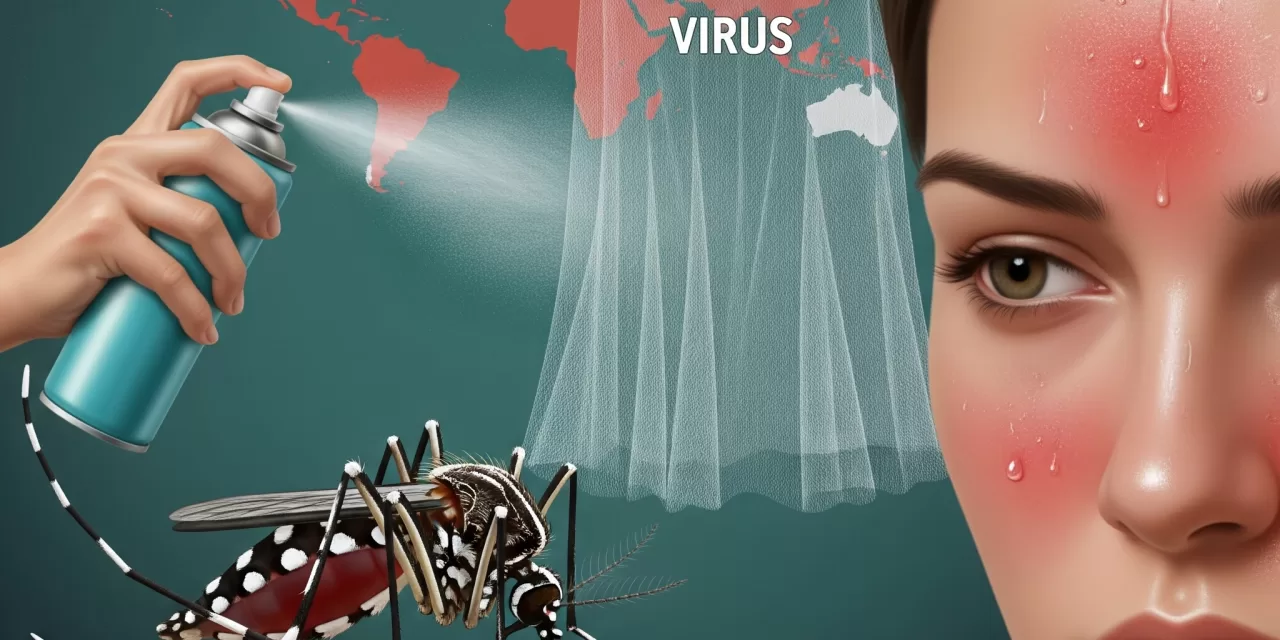
However, infectious disease specialists warn that the virus, transmitted primarily by Aedes aegypti mosquitoes, remains a potent threat.
“The drop in cases is a victory for public health policy, but the virus is cyclical,” explains Dr. Devendra Kumar Singh, a senior respiratory medicine consultant. “Our theme for 2025 has been ‘Act Early, Prevent Dengue,’ and that philosophy must continue. The focus must remain on source reduction—eliminating stagnant water in our own backyards—which is the only proven way to break the transmission cycle.”
Global Context and Public Health Implications
India’s progress stands in contrast to the broader global trend in 2025. The World Health Organization (WHO) has reported over 4.5 million cases worldwide this year, with significant outbreaks continuing in parts of Southeast Asia and the Americas. India’s ability to curb the spread despite its tropical climate and high population density offers a potential model for integrated vector management.
The government has credited its multi-pronged “Octalogue” strategy—which includes eight pillars such as surveillance, case management, and inter-sectoral coordination—for the positive outcome. In her statement, Minister Patel highlighted that technical guidelines and advisories were issued well in advance of the transmission season, allowing states to prepare effectively.
Implications for the Public:
For the average citizen, this news confirms that preventive measures work. Health authorities continue to recommend the following daily precautions:
-
Source Reduction: Weekly checks of coolers, flower pots, and open containers for mosquito larvae.
-
Personal Protection: Use of mosquito repellents and wearing long-sleeved clothing, especially during dawn and dusk when Aedes mosquitoes are most active.
-
Vigilance: Seeking immediate medical care for sudden high fever accompanied by joint pain or rash.
Challenges Ahead
Despite the success, the high fatality rate in Kerala remains a point of concern, necessitating targeted interventions in high-risk regions. Furthermore, rapid urbanization and unpredictable weather patterns caused by climate change could create new breeding grounds for mosquitoes in future seasons.
“The battle against dengue is not won in a single year,” Dr. Singh adds. “It requires consistent, year-round vigilance from both the government and the community.”
Medical Disclaimer: This article is for informational purposes only and should not be considered medical advice. Always consult with qualified healthcare professionals before making any health-related decisions or changes to your treatment plan. The information presented here is based on current research and expert opinions, which may evolve as new evidence emerges.
References
-
Government Data: written reply in Rajya Sabha by MoS Health Anupriya Patel, Dec 16, 2025.