 0
0
 0
0
New Delhi, July 18, 2025 — The Indian Council of Medical Research (ICMR) has unveiled the second edition of the National Essential Diagnostics List (NEDL), aiming to enhance access to vital diagnostic services across the country’s public health system. This move is expected to greatly strengthen healthcare delivery from rural villages to district hospitals, ensuring that essential tests are available where they are most needed.
What Is the National Essential Diagnostics List (NEDL)?
The NEDL is a strategic list that defines the minimum set of diagnostic tests to be provided at various tiers of healthcare in India. The goal is to standardize diagnostic services, bridge existing gaps, and promote timely, accurate diagnoses, ultimately improving health outcomes for all citizens.
Key Highlights of the Second Edition
-
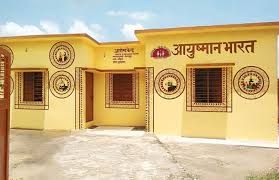
Updated Facility Names: In line with the government’s Ayushman Bharat initiative, Sub-Centres are now termed Ayushman Arogya Mandirs, serving as hubs for comprehensive primary care.
-
Broader Scope: The list prescribes essential diagnostics from village-level health and wellness centers to district hospitals, emphasizing rural inclusivity and urban-rural equity.
-
Stepwise Expansion of Services:
-
Village-Level Health Facilities: Required to offer at least nine key tests, including for diabetes, malaria, tuberculosis (TB), HIV, and syphilis.
-
Ayushman Arogya Mandirs: Expected to provide all village-level tests plus Hepatitis B screening.
-
Primary Health Centers (PHCs): Must expand offerings to include X-rays, ECGs, and tests for diseases like dengue and Japanese Encephalitis.
-
Community Health Centers (CHCs): Mandated to deliver specialized blood tests and additional diagnostics as per disease burden.
-
District Hospitals: Equipped for advanced diagnostics such as CT scans, MRIs, mammography, and echocardiography.
-
-
Alignment with National Standards: The new edition incorporates the latest guidance from the Ministry of Health and Family Welfare, integrates recommendations from the Free Diagnostic Service Initiative, and aligns with updated Indian Public Health Standards (IPHS).
-
Stakeholder Collaboration: The revised list was constructed with feedback from multiple consultation meetings, ensuring it reflects the real-world needs and challenges faced by healthcare providers nationwide.
Why Is This Important?
The second edition of the NEDL is a pivotal step toward Universal Health Coverage (UHC) in India. By standardizing and expanding diagnostic capabilities—especially at the grassroots and intermediate levels—millions more Indians are expected to gain easier, local access to lifesaving tests. This significantly reduces both the burden on tertiary hospitals and the inconvenience and expense for patients, especially in rural and remote areas.
Future Directions
The ICMR notes that the diagnostic list will continue to evolve as new technologies emerge and as India’s health priorities shift. Continued stakeholder engagement and regular revisions will ensure that diagnostic services remain relevant and effective in meeting the country’s population health needs.
Disclaimer
This article is based on information available from official communications by the Indian Council of Medical Research (ICMR) and public news sources as of July 2025. For the most up-to-date and comprehensive details regarding the National Essential Diagnostics List, readers are advised to refer to the official ICMR website or contact relevant authorities directly.