 0
0
 0
0
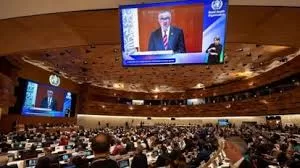
India has reaffirmed its leadership in advancing traditional medicine on the global stage at the 78th World Health Assembly (WHA) in Geneva, held under the theme “One World for Health.” Represented by Shri Arindam Bagchi, Permanent Representative to the United Nations in Geneva, India welcomed the adoption of the new WHO Global Traditional Medicine Strategy 2025–2034 and underscored its commitment to integrating evidence-based traditional practices into both national and international health frameworks.
Integrated Approach to Healthcare
India’s approach, championed under the leadership of Prime Minister Shri Narendra Modi, focuses on blending modern medicine with scientifically validated traditional systems such as Ayurveda, Yoga, Unani, and Siddha. This integrated model was highlighted as a practical example for other nations seeking to strengthen their healthcare systems.
Mr. Bagchi noted India’s strong track record in implementing the previous WHO Traditional Medicine Strategy (2014–2023) and expressed full support for the new framework. He emphasized the country’s dedication to embedding traditional medicine within broader health initiatives to achieve universal health coverage and the Sustainable Development Goals (SDGs).
Global Centre for Traditional Medicine
A cornerstone of India’s contribution is the establishment of the WHO Global Traditional Medicine Centre (GTMC) in Jamnagar, Gujarat. Launched in 2022 and inaugurated by Prime Minister Modi alongside WHO Director-General Dr. Tedros Adhanom Ghebreyesus, the Centre is the first of its kind. It plays a pivotal role in data analytics, policy support, standard-setting, and fostering research collaboration in traditional medicine.
Milestone Agreement for Global Recognition
A significant development this year was the signing of a Donor Agreement between India’s Ministry of Ayush and WHO on May 24, 2025. This agreement initiates work on a dedicated Traditional Medicine module under the International Classification of Health Interventions (ICHI). Prime Minister Modi, in his Mann Ki Baat address, praised this step, noting it would allow Ayush systems to reach a global audience through a scientific and standardized framework.
Vaidya Rajesh Kotecha, Secretary of the Ministry of Ayush, stated, “India is proud to contribute to the global integration of Traditional Medicine. The ICHI module will enhance scientific credibility and facilitate global recognition of Ayush systems. We remain committed to supporting WHO’s efforts of inclusive, safe, and evidence-based traditional healthcare”.
Alignment with WHO’s Vision
The new WHO strategy encourages member states to enhance regulation, integrate traditional medicine services where appropriate, and uphold indigenous knowledge, environmental sustainability, and biodiversity. India’s ongoing initiatives resonate strongly with these principles, reinforcing its role as a key partner in advancing traditional medicine for global well-being.
India remains dedicated to supporting WHO and its member states in realizing the full potential of traditional medicine in achieving universal health coverage and the SDGs.
Disclaimer:
This article is based on official statements and press releases from the Government of India, the World Health Organization, and related news sources. While traditional medicine systems such as Ayurveda, Yoga, Unani, and Siddha are recognized and promoted by the Government of India and WHO, their efficacy and safety should be considered in the context of scientific validation and regulatory standards. Readers are advised to consult qualified healthcare professionals before making health-related decisions.
Citations: