 0
0
 0
0
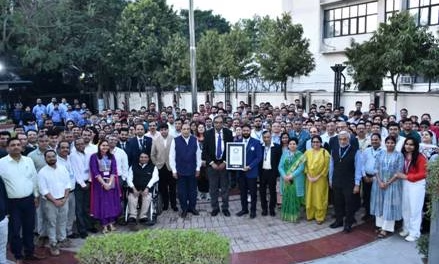
NEW DELHI — In a move signaling continued humanitarian leadership in South Asia, the Indian government has reaffirmed its commitment to bolstering Afghanistan’s fragile healthcare system. During a high-level visit to New Delhi this week by Afghanistan’s acting Minister of Public Health, Dr. Qalandar Ebad, Indian officials pledged to expand medical assistance, facilitate specialized training for healthcare professionals, and maintain the supply of life-saving medications to Kabul.
The meeting marks a critical juncture in the bilateral relationship between the two nations, focusing on the “human-centric” approach India has adopted toward the Afghan people since the geopolitical shifts of August 2021. As Afghanistan continues to grapple with a decimated medical infrastructure and a shortage of specialized personnel, India’s support remains a lifeline for millions.
Strengthening a Fragile Foundation
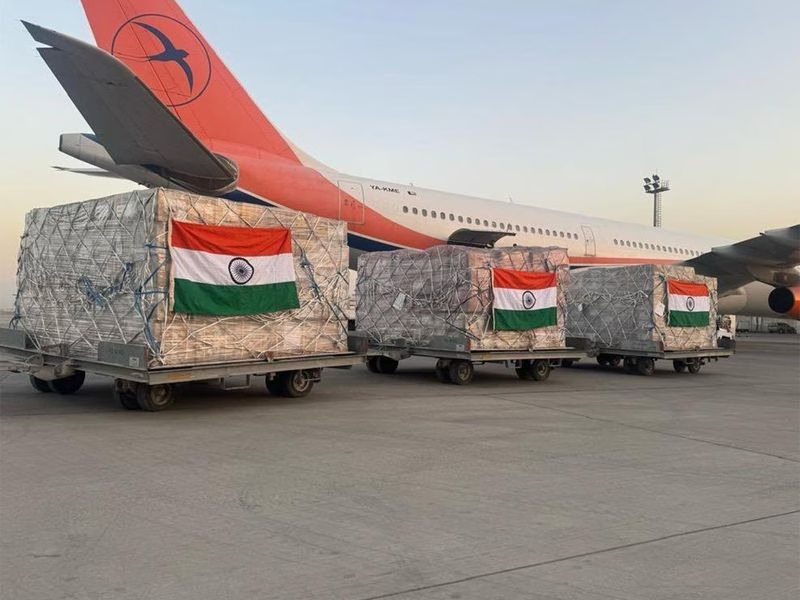
The discussions between Dr. Ebad and Indian representatives centered on the rehabilitation of major medical facilities and the consistent delivery of humanitarian aid. Since 2021, India has already dispatched over 30 tons of medical assistance, including essential drugs, pediatric vaccines, and anti-TB medicines, primarily to the Indira Gandhi Children’s Hospital in Kabul—a facility India helped establish and has supported for decades.
“India’s role in Afghanistan’s health sector is not just about charity; it is about regional stability,” says Dr. Aranya Sen, a global health policy analyst (not involved in the diplomatic talks). “When you support the health of a neighbor, you are mitigating the risk of infectious disease outbreaks and humanitarian migration that can affect the entire subcontinent.”
Key developments from the visit include:
-
Infrastructure Support: Plans to revitalize specialized wings in Kabul’s leading hospitals.
-
Pharmaceutical Supply Chains: Agreements to ensure the uninterrupted flow of medications for chronic diseases, such as diabetes and hypertension.
-
Capacity Building: Provisions for Afghan doctors and nursing staff to receive advanced training through Indian medical institutions, utilizing both in-person and digital learning platforms.
The Statistical Reality: A System Under Pressure
The necessity of this partnership is underscored by harrowing data from international health organizations. According to the World Health Organization (WHO), nearly 18 million people in Afghanistan require urgent health assistance in 2024. The country faces one of the highest maternal mortality rates in the world, and nearly 50% of children under five are suffering from chronic malnutrition.
India’s contribution of the COVAXIN vaccine during the height of the COVID-19 pandemic and its continued shipment of the BCG (tuberculosis) and Polio vaccines have been instrumental in preventing a total collapse of the national immunization program.
Expert Perspectives: Beyond the Medicine
While the delivery of supplies is vital, medical experts emphasize that “brain drain” remains Afghanistan’s most significant hurdle. Following the 2021 transition, thousands of trained medical professionals fled the country, leaving a vacuum in specialized care.
“Providing medicine is a short-term fix. The long-term solution is education,” says Dr. Rajesh Kumar, a consultant in international infectious diseases. “By offering training to the staff who remained in Kabul, India is helping to rebuild the intellectual capital of the Afghan medical community. This is arguably more valuable than the hardware or the drugs.”
However, international observers also note the complexities of these missions. Organizations like Médecins Sans Frontières (MSF) have frequently highlighted that even with imported supplies, the lack of a stable electrical grid and clean water in many Afghan provinces makes modern medical treatment nearly impossible. India’s pledge to assist with “infrastructure” suggests a move toward addressing these systemic utility issues.
Public Health Implications and Challenges
For the average Afghan citizen, India’s reaffirmation of support means the difference between a treatable infection and a fatal one. For the Indian public, this partnership reinforces the nation’s “Pharmacy of the World” status and its “Vasudhaiva Kutumbakam” (The World is One Family) philosophy.
However, the path forward is not without obstacles. Logistical hurdles at border crossings and the need to ensure that aid reaches the most vulnerable populations—particularly women and children in rural areas—remain significant concerns. Furthermore, the international community continues to monitor the situation to ensure that medical aid remains apolitical and accessible to all genders, a point of ongoing advocacy for global health bodies.
What This Means for Global Health Security
The collaboration between New Delhi and Kabul serves as a blueprint for South-South cooperation in crisis zones. By focusing on health as a neutral ground, India maintains a presence in the region that is defined by humanitarian outcomes rather than just political maneuvers.
As the Afghan health ministry returns to Kabul with these new assurances, the focus shifts to implementation. The success of this initiative will be measured not by the number of meetings held, but by the reduction in infant mortality rates and the increased availability of basic surgery in the heart of Afghanistan.
Medical Disclaimer: This article is for informational purposes only and should not be considered medical advice. Always consult with qualified healthcare professionals before making any health-related decisions or changes to your treatment plan. The information presented here is based on current research and expert opinions, which may evolve as new evidence emerges.
References
News Source:
-
Ommcom News. (2024). “India Reaffirms Further Healthcare Support To Kabul During Afghan Minister’s Visit.” [Link to Source]