 0
0
 0
0
NEW DELHI – In a significant push to combat non-communicable diseases (NCDs), the Indian government has intensified its efforts, resulting in over 1.11 crore (11.1 million) hypertension and 64 lakh (6.4 million) diabetes cases being diagnosed and treated in just the first six months of 2025. This nationwide initiative, spearheaded by the Union Health Ministry, is targeting individuals aged 30 and above as part of the National Programme for Prevention and Control of Non-Communicable Diseases (NP-NCD).
The data, released in a written reply by Union Minister of State for Health and Family Welfare, Shri Prataprao Jadhav, highlights the scale of the program’s success. The comprehensive strategy focuses on strengthening healthcare infrastructure and ensuring a robust support system for patients.
A Multi-Pronged Approach to Health 🏥
The initiative operates on several fronts to ensure widespread reach and effective care. A key component is the infrastructure development, which includes 770 District NCD Clinics, 233 Cardiac Care Units, and 6,410 NCD clinics at the Community Health Centre (CHC) level. These facilities are critical hubs for diagnosis, treatment, and follow-up care.
To ensure consistent patient management, the program relies on a dedicated workforce of trained Community Health Officers (CHOs), Accredited Social Health Activists (ASHAs), and Auxiliary Nurse Midwives (ANMs). These frontline workers are instrumental in conducting regular follow-ups, providing counseling on lifestyle modifications, and ensuring patients have access to free medications.
Community-Level Screening and Education 🧑⚕️
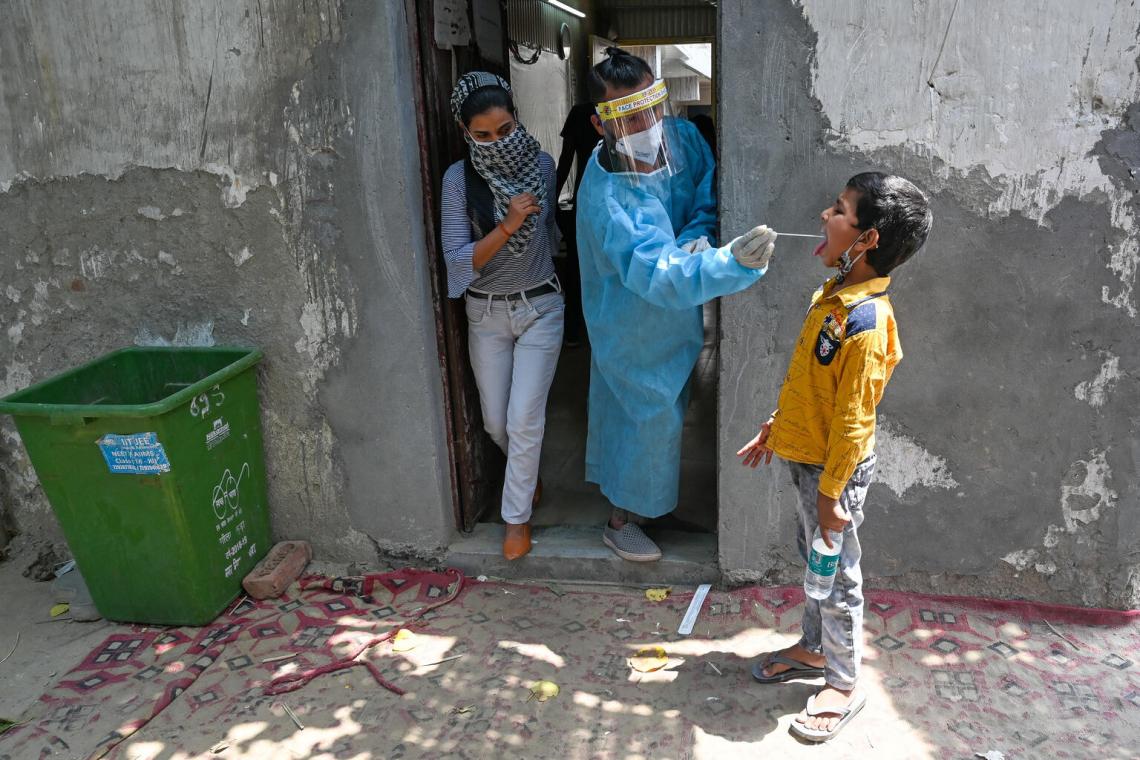
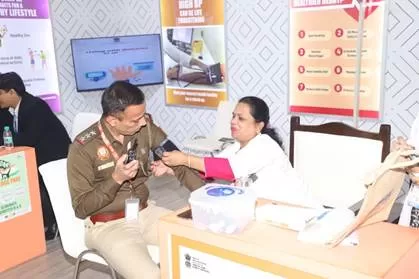
A proactive approach to health is central to the program’s success. ASHAs are equipped with a Community Based Assessment Checklist (CBAC) tool to perform early risk assessments for individuals over 30. This community-level screening is vital for identifying at-risk individuals and referring them to healthcare facilities for further screening and diagnosis.
Once diagnosed, patients are provided with essential drugs for hypertension and diabetes free of charge at various healthcare levels, from Ayushman Bharat – Health and Wellness Centres (AB-HWCs) to District Hospitals. The program also enforces Standard Treatment Protocols (STPs) to guarantee uniform and effective patient management.
Medical officers and staff nurses play a crucial role in patient education, reinforcing healthy lifestyle messages and promoting adherence to medication. The use of a dedicated NCD portal helps track patient progress, schedule follow-up visits, and ensure a steady supply of medicines. For patients requiring specialized attention, a robust referral mechanism is in place to connect them with higher-level care.
A Campaign for Change 💡
From February 20 to March 31, 2025, the Ministry of Health & Family Welfare launched an NCD Screening Campaign to achieve universal screening for individuals aged 30 and above. This intensive campaign was conducted nationwide across various healthcare facilities under the NP-NCD, further expanding the program’s reach and impact.
This concerted effort demonstrates the government’s commitment to tackling NCDs, which are a major public health challenge. By combining infrastructure development, community outreach, and accessible treatment, the program aims to significantly reduce the burden of hypertension and diabetes across the nation.
Disclaimer: This news article is based on information provided by the Press Information Bureau (PIB) and is intended for informational purposes only. It is not a substitute for professional medical advice, diagnosis, or treatment. Always seek the advice of your physician or other qualified health provider with any questions you may have regarding a medical condition.