 0
0
 0
0
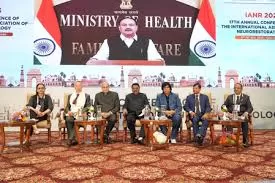
At the 17th Annual Conference of the International Association of Neurorestoratology (IANR) and the 7th Annual Conference of the Society of Regenerative Sciences (India) held in New Delhi on October 17–18, Union Health Minister J.P. Nadda announced that India is rapidly emerging as a global hub for innovations in regenerative medicine and cellular therapy. The statement reflected growing national investment and research efforts aimed at advancing treatments for neurological, orthopedic, and other chronic conditions often considered untreatable.
Regenerative Medicine at the Forefront of Indian Discovery
Regenerative medicine focuses on repairing or replacing damaged tissues through cell-based treatments, including stem cell and cellular therapies. These approaches leverage the body’s natural healing mechanisms to restore function in patients with injuries or degenerative diseases. According to Minister Nadda, India’s medical professionals are already leading global innovation in this field, with a particular emphasis on neurological and orthopedic disorder management .
Over recent years, India has seen major expansion in research output within regenerative medicine, ranking among the world’s top contributors to studies on neurorestoration and cell therapy. The growing number of stem cell research centers, along with strong government and private-sector collaboration, underscores India’s commitment to developing advanced biotechnological solutions for complex diseases.
National Support and Policy Implications
Health Minister Nadda emphasized that regenerative medicine aligns with the Indian government’s larger vision to provide equitable, high-quality healthcare that integrates innovation and accessibility. At the conference, Tribal Affairs Minister Jual Oram commended Indian scientists for advancing global progress in regenerative and neurorestorative medicine. He further urged the inclusion of cell therapy for persons with disabilities (Divyang) under the Ayushman Bharat health insurance program—a move that could dramatically expand access to advanced treatments for millions .
India is home to more than 2.68 crore people with disabilities, many of whom could benefit from such pioneering therapies. Experts at the event noted that cellular therapy has shown promise in improving mobility, nerve function, and overall quality of life in patients who previously had limited treatment options. If integrated into national health schemes, these therapies could redefine rehabilitation strategies and clinical outcomes for diverse patient populations.
Expert Perspectives on Global Innovation
Dr. Alok Sharma, representing the Society of Regenerative Sciences (India), highlighted that India now leads globally in the number of scientific publications addressing neurological conditions. He noted that regenerative medicine using cellular therapies provides hope for patients without conventional treatment alternatives. According to Dr. Sharma, Prime Minister Narendra Modi’s government has been pivotal in promoting international collaborations and establishing specialized centers to advance stem cell science .
Independent experts not involved in the conference echoed similar optimism while emphasizing the need for rigorous regulatory frameworks. Dr. Meera Kuri, a regenerative medicine researcher at AIIMS Delhi, stressed that while India’s progress is commendable, ethical oversight and standardized clinical trials are crucial to ensure the safety and efficacy of cell-based therapies. “Innovation in healthcare must be matched by regulatory vigilance,” she noted, pointing to the role of the Indian Council of Medical Research (ICMR) and Central Drugs Standard Control Organisation (CDSCO) in maintaining ethical standards.
Clinical and Public Health Implications
For healthcare professionals and patients alike, regenerative medicine represents a paradigm shift—moving from symptom management to cellular-level repair. Emerging research shows that regenerative therapies may help restore spinal cord function, regenerate heart muscle after infarction, and even reverse aspects of neurodegeneration seen in conditions like Parkinson’s and stroke-related paralysis.
However, experts caution that while clinical trials in India and abroad have yielded encouraging results, most applications remain experimental. Patients are advised to consult accredited hospitals and licensed practitioners before exploring such therapies. Public health specialists also emphasize that broader health coverage and cost-effective models will be key to ensuring equitable access as technologies mature.
Challenges and Ethical Considerations
Despite India’s leadership in research output, major challenges persist. Treatments involving stem cells or cellular therapy often face ethical scrutiny over sourcing, consent, and reproducibility of clinical outcomes. Moreover, the cost of advanced therapies remains prohibitive for many households, raising concerns about healthcare equity.
Regulatory clarity, standardization of practice guidelines, and long-term safety data are essential for ensuring that India’s regenerative medicine ecosystem grows responsibly. Experts also underscore that public awareness and patient education will be vital to protect individuals from unproven or commercially driven interventions marketed outside clinical oversight.
The Road Ahead
As India consolidates its position as a scientific and clinical leader in regenerative medicine, the nation stands at a pivotal point. Government initiatives promoting biomedical innovation, coupled with growing partnerships across academia and industry, can propel India toward self-reliance in next-generation healthcare technologies.
International collaborations through organizations such as the IANR further position India as a hub for global neurorestoration research. With sustained investment, ethical clinical trials, and inclusive healthcare access, the country’s strides in cellular therapy may soon translate from laboratories to meaningful patient recovery across the world.
Medical Disclaimer
Medical Disclaimer: This article is for informational purposes only and should not be considered medical advice. Always consult with qualified healthcare professionals before making any health-related decisions or changes to your treatment plan. The information presented here is based on current research and expert opinions, which may evolve as new evidence emerges.
References
- https://government.economictimes.indiatimes.com/news/healthcare/india-emerging-global-leader-in-regenerative-medicine-cellular-therapy-innovations-nadda/124633719