 0
0
 0
0
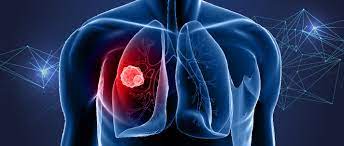
India is facing a looming health crisis as non-communicable diseases (NCDs) such as diabetes, heart disease, and cancer are rising at alarming rates, reaching epidemic proportions, according to a panel of Padma awardee doctors who recently convened at a session hosted by Pacific OneHealth in New Delhi.
The group of eminent physicians raised urgent concerns that without immediate and coordinated public health action, India’s healthcare system will be overwhelmed by the growing burden of these chronic illnesses, which largely result from lifestyle and environmental factors.
Key Findings and Expert Insights
Padma Shri Dr. DS Rana, Chairman of the Board of Trustees at Sir Ganga Ram Hospital, emphasized the critical need for universal healthcare access and robust ethical regulation, particularly concerning drug pricing and hospital costs. “While India has made progress, disparities persist. Our goal should be equitable healthcare for all,” he said, advocating for reforms that ensure affordability and fairness in the system.
Highlighting the surge in cardiovascular diseases, Padma Shri Dr. Praveen Chandra, Chairman of Interventional and Structural Heart Cardiology at Medanta, called attention to the heart as the common pathway for many diseases. He noted, “Emergency angioplasty within the golden hour can save countless lives, and we now have advanced cardiac interventions accessible even for patients in their 80s and 90s.” However, he stressed preventive health measures as paramount in reducing the burden.
Diabetes is a major driver of India’s NCD epidemic, with sobering statistics shared by endocrinologist and diabetologist Padma Shri Dr. Anoop Misra: “One in three residents of Delhi is diabetic, with another 30 percent pre-diabetic.” He warned the public and healthcare providers that prevention and early control are essential to curb this trend. “Although drugs like Ozempic hold potential, lifestyle changes and raising awareness remain the strongest tools,” explained Dr. Misra, who chairs the Fortis C-DOC Hospital for Diabetes and Allied Sciences and is a former professor at AIIMS Delhi.
Dr. Mohsin Wali, Senior Consultant in Internal Medicine at Sir Ganga Ram Hospital, underscored the value of trust-based, ethical care models. He cited his hospital’s non-profit approach to demonstrate how care should be delivered to effectively combat NCDs and improve public health outcomes.
Finally, Dr. Swadeep Srivastava, President and Co-Founder of Pacific OneHealth, envisioned healthcare evolving from a privilege to a promise — one founded on ethics, powered by innovation, and centered on patient needs. “Bridging preventive, primary, and tertiary care seamlessly while ensuring inclusivity is the future,” he stated.
Context and Background
India’s rapid economic growth, urbanization, dietary shifts, reduced physical activity, and environmental pollution have contributed to an exponential rise in NCDs over the past decades. These diseases now account for roughly 60% of all deaths in the country. The healthcare infrastructure faces challenges keeping pace with this burden, especially in rural and underserved areas. Screening programs and preventive strategies remain insufficiently implemented, compounding late diagnoses and poor outcomes.
The session’s experts collectively highlighted that despite advances in medical technology and treatment, such as cutting-edge cardiac interventions and newer anti-diabetic medications, real progress rests on population-wide preventive efforts and equitable healthcare access.
Implications for Public Health and Daily Life
For the average Indian, this escalating crisis means an increased personal risk for chronic diseases that, if unchecked, can lead to debilitating complications and early mortality. Scientific evidence strongly supports that lifestyle modifications — balanced diets, regular physical activity, tobacco cessation, and alcohol moderation — are proven, cost-effective means of prevention.
For policymakers, the doctors’ warnings signal urgent priorities: strengthen health systems to ensure affordable care, boost early screening and education campaigns, regulate healthcare costs ethically, and integrate preventive care within the mainstream health framework.
Limitations and Counterpoints
While newer pharmacological agents like Ozempic, a GLP-1 receptor agonist, show promise in diabetes management, experts caution these should complement—not replace—preventative health measures. Additionally, access and affordability to advanced treatments remain uneven across socio-economic groups, necessitating policy interventions to reduce disparities.
Some critics might argue India should prioritize infectious diseases still endemic in parts of the country. However, evidence indicates that ignoring the rising tide of NCDs will overwhelm healthcare resources more rapidly, creating a dual burden that hampers progress on all fronts.
In Conclusion
India stands at a critical crossroads in public health. The unchecked surge in diabetes, heart disease, and cancer threatens to reverse gains made in life expectancy and quality of life. The collective voice of distinguished experts implores immediate, multi-sectoral action to transform healthcare from reactive treatment to proactive prevention—making health a promise to every citizen rather than a privilege for some.
Medical Disclaimer: This article is for informational purposes only and should not be considered medical advice. Always consult with qualified healthcare professionals before making any health-related decisions or changes to your treatment plan. The information presented here is based on current research and expert opinions, which may evolve as new evidence emerges.
References:
-
“India on brink of health crisis, surge in diabetes, heart disease and cancer: Doctors sound alarm,” DT Next, August 2025, authors: DT Next Health Desk.
-
Interview quotes from Padma Shri Dr. DS Rana, Dr. Praveen Chandra, Dr. Anoop Misra, Dr. Mohsin Wali, and Dr. Swadeep Srivastava, as reported in DT Next, August 2025.
-
Global Burden of Disease Study 2019, Lancet, 2020.
-
World Health Organization NCD Country Profiles – India, 2022.