 0
0
 0
0
In a monumental push for national nutrition awareness, more than 20 crore activities were conducted across India during Rashtriya Poshan Maah 2025, Union Minister of State for Women and Child Development Savitri Thakur announced on Friday at the Himalayan Cultural Centre in Dehradun. The minister said the campaign reinforced India’s commitment to tackling malnutrition through the Jan Andolan (people’s movement) approach, transforming nutrition into a social mission rather than a government programme.
A National Movement for Nutrition
Launched by Prime Minister Narendra Modi in 2018, the Poshan Abhiyaan—or National Nutrition Mission—has steadily evolved into a nationwide citizen-driven movement promoting healthy diets, maternal care, and early childhood development. According to Minister Thakur, the 2025 edition marked a record level of participation, with men, youth, and communities across rural and urban India engaging in awareness drives, nutrition fairs, cooking demonstrations, and Poshan pledges.
“Nutrition is our moral responsibility towards every child and mother in India,” Thakur said, underscoring the campaign’s inclusivity and focus on behavioural change. She stressed the importance of the first 1,000 days—from conception to two years after birth—as the foundation for lifelong physical and cognitive development, echoing global research by the World Health Organization (WHO) and UNICEF that identifies early nutrition as critical to reducing childhood stunting and improving learning outcomes.
Poshan 2.0: Technology and Transparency
Lav Agarwal, Additional Secretary of the Ministry of Women and Child Development, presented updates on Mission Poshan 2.0. This integrated initiative merges supplementary nutrition programmes with technology-driven governance models. “With 14 lakh Anganwadi Centres across 36 states and Union Territories serving over 10 crore beneficiaries, Poshan 2.0 has become a model of scalable public health delivery,” Agarwal stated.
A key innovation is the Poshan Tracker app, introduced to digitalize real-time monitoring of nutrition services. Over 13 lakh Anganwadi workers—frontline community health workers—are using connected smartphones to record growth data, distribute rations, and ensure timely tracking of children, pregnant women, lactating mothers, and adolescent girls. Additionally, 13.87 lakh centres have been equipped with growth monitoring devices to track height and weight indicators effectively.
According to Agarwal, these advancements have improved transparency and accountability, helping reduce duplication of beneficiaries and ensuring nutritional supplements reach intended recipients.
Measurable Gains Against Malnutrition
India’s sustained focus on nutrition appears to be yielding measurable progress. Data from the National Family Health Survey-5 (NFHS-5) show encouraging trends: stunting among children under five dropped from 38.4% in 2015-16 to 35.5% in 2019-21, while underweight prevalence declined from 35.8% to 32.1%. Though modest, these improvements represent millions of children transitioning out of chronic malnutrition.
Experts attribute this progress to better maternal care, fortified food distribution through the Public Distribution System (PDS), and strengthened health-nutrition linkages via schemes like Anemia Mukt Bharat and National Health Mission. However, India still faces significant challenges—especially in tribal, hilly, and underdeveloped rural areas where poverty and food insecurity persist.
Expert Perspectives: A Multifaceted Challenge
Public health nutritionists note that while digital solutions and government schemes are crucial, community-led behavioural change is equally vital. Dr. Ritu Singh, a senior nutrition specialist at the Indian Council of Medical Research (ICMR), explains: “Malnutrition isn’t just a matter of food quantity; it’s also about diversity, hygiene, and awareness. Education of mothers and local engagement remain key to sustainable improvement.”
Similarly, Dr. Suresh Kumar, a pediatrician at AIIMS Rishikesh, warned against viewing technology as a cure-all. “Apps can track progress, but nutrition improvement requires addressing socio-economic disparities. Ensuring dietary diversity and tackling micronutrient deficiencies should remain top priorities,” he said.
Implications for Public Health and Policy
The success of Poshan Maah 2025 underscores the growing alignment between national policies and grassroots participation. By incorporating local governments, schools, self-help groups, and civil society organizations, the campaign has broadened health literacy and encouraged family-based nutrition practices.
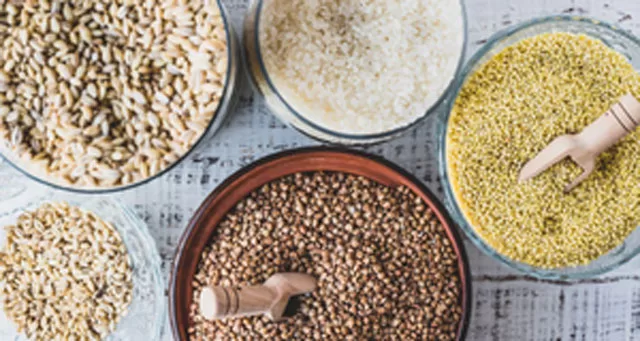
At the policy level, experts suggest stronger inter-ministerial coordination—linking nutrition initiatives with agriculture, water sanitation, and education—could accelerate outcomes. Furthermore, increasing investment in local food fortification and promoting regional diets rich in pulses, green vegetables, and millets align well with India’s Eat Right Movement and sustainable food goals.
Limitations and The Road Ahead
While India’s nutrition drive has expanded in scale, experts caution that its gains must be sustained through consistent funding, workforce support, and adaptive policymaking. NFHS-5 data, while promising, predate newer initiatives, meaning future surveys will be crucial in assessing the true impact of digital tools like Poshan Tracker.
The experience of Poshan Maah 2025 presents lessons for other large-scale public health campaigns: persistent outreach, data-driven governance, and citizen participation can transform awareness into measurable health outcomes.
As Minister Thakur concluded, “A well-nourished child is the seed of a strong nation. Our collective effort today will shape a Suposhit Bharat by 2047.”
Medical Disclaimer:
This article is for informational purposes only and should not be considered medical advice. Always consult with qualified healthcare professionals before making any health-related decisions or changes to your treatment plan. The information presented here is based on current research and expert opinions, which may evolve as new evidence emerges.
References
- https://www.thehansindia.com/news/national/over-20-crore-activities-organised-during-poshan-maah-2025-minister-1015692