 0
0
 0
0
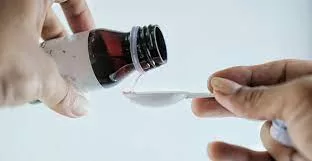
In October 2025, Indian authorities refused to extend a year-end deadline for drugmakers to upgrade their manufacturing plants following a devastating series of child deaths linked to contaminated cough syrups. At least 24 children, mostly under the age of five, died in Madhya Pradesh and Rajasthan after consuming locally-produced Coldrif syrup, later found to be tainted with toxic levels of diethylene glycol (DEG)—an industrial solvent. The government’s swift action highlights urgent concerns about medicine safety in the world’s largest supplier of generic drugs, with reforms intended to prevent future tragedies.
Key Findings and Developments
-
Contaminated Syrup Linked to Deaths: Coldrif syrup, produced by Sresan Pharmaceuticals, contained DEG at concentrations nearly 500 times above permissible limits set by Indian and international standards.
-
Regulatory Gaps Exposed: The crisis echoed earlier international incidents, such as the 2022–2023 deaths of children in Uzbekistan and The Gambia due to Indian-made syrup contaminated with toxic glycols, spotlighting persistent gaps in domestic oversight despite export reforms.
-
Government Response: India mandated all drug manufacturers to comply with World Health Organization (WHO) standards by December 2024, requiring upgrades in cross-contamination prevention and batch-testing. Major pharma companies already met a June 2024 deadline, while smaller firms were permitted a year’s extension—now rescinded after the recent deaths.
-
Legal and Administrative Actions: Sresan Pharmaceuticals had its license revoked, and its owner, G. Ranganathan, was arrested in the aftermath. Several states issued bans on implicated syrups, and officials cautioned against the use of liquid cough remedies in young children. The Union Health Ministry advised against prescribing cough syrup for children under two years of age.
Expert Commentary
Dr. Vikram Singh, Professor of Clinical Pharmacology at AIIMS Delhi (not involved in the official investigation), commented, “Diethylene glycol is primarily used in antifreeze, and even minor exposure can be fatal, especially for children. Regular audits, robust quality controls, and a culture of accountability are absolutely non-negotiable in pharmaceutical manufacturing.”
Udaya Bhaskar, of the All India Control Officers Confederation (AICOC), highlighted, “Had the government enforced its initial upgrade deadline, this loss of young lives might have been prevented. Manufacturer responsibility is key—government agencies must ensure compliance but cannot test every batch individually”.
Context and Background
India is often called the “pharmacy of the world” for its vast generic drug output, with exports to over 200 countries. Yet, the epidemic of syrup poisoning exposed vulnerabilities in monitoring drugs for domestic consumption, especially as past tragedies abroad had prompted tighter exports but little change for internal markets.
A WHO report showed that regulatory differences allowed certain cough syrups to bypass the stricter testing required for exported medications. In this investigation, contaminated batches made their way to young children in low-resource settings, bypassing safety nets.
Public Health Implications
-
Global Alert: In response to the deaths, WHO issued a global medical alert, warning authorities to report tainted syrup and urging countries to check for affected batches. The agency stressed that such oral liquid medicines should not be prescribed to children under two and discouraged for under-fives.
-
Revised Manufacturing Standards: India’s new rules will require all syrup makers—large and small—to implement WHO-grade protocols by the end of 2024, notably targeting the risks posed by small, regional manufacturers with less stringent oversight.
-
Economic Concerns: Industry advocates, particularly those representing smaller businesses, have voiced apprehension that required upgrades could drive some firms into bankruptcy, affecting drug availability. However, government officials maintain that patient safety outweighs these concerns.
Practical Implications for Readers
-
Consumer Safety: Parents and caregivers are urged to scrutinize medicine labels and source only from trusted pharmacies. Healthcare workers should adhere to the latest prescription advisories, especially for pediatric patients.
-
Healthcare Professionals: Heightened vigilance is crucial; report any suspected adverse drug events to regulatory bodies, and stay updated on evolving government guidelines.
-
Global Perspective: International buyers are recommended to source only from compliant manufacturers meeting freshly established standards, ensuring drug safety for imports and domestic use.
Limitations and Counterarguments
-
Testing Responsibility: Disagreement exists on whether the government should directly test every batch or rely on manufacturers. Critics of the reforms argue that small firms are disproportionately burdened, risking market consolidation and higher costs.
-
Implementation Challenges: Ensuring nationwide compliance within tight timeframes may be challenging, particularly for facilities lacking financial or technical resources.
-
Historical Issues: Previous reforms after similar deaths abroad led to enhanced export scrutiny, but domestic consumption remained insufficiently regulated until now.
Conclusion
India’s reluctance to delay plant upgrades following the cough syrup crisis marks a turning point for pharmaceutical regulation. As the nation recalibrates its safety standards to align with the WHO, vigilant oversight and cross-sector cooperation are crucial. For both medical professionals and the public, the case underscores the importance of sourcing safe medicines, demanding accountability, and advocating for systemic reforms that prioritize patient health.
Medical Disclaimer
“Medical Disclaimer: This article is for informational purposes only and should not be considered medical advice. Always consult with qualified healthcare professionals before making any health-related decisions or changes to your treatment plan. The information presented here is based on current research and expert opinions, which may evolve as new evidence emerges.”
References