 0
0
 0
0
India continues to make notable progress in combating tuberculosis (TB), one of the country’s major public health challenges, with the government reporting a 21% decline in TB incidence and a 25% reduction in mortality between 2015 and 2024. This achievement results from rigorous nationwide screening, improved diagnostics, expanded treatment coverage, and comprehensive patient support under initiatives like the TB Mukt Bharat Abhiyan. Despite missing its self-imposed target of eliminating TB by 2025, these gains underscore India’s firm commitment to reducing TB’s burden and improving public health.
Key findings and developments:
-
TB incidence fell from 237 cases per 100,000 population in 2015 to 187 per 100,000 in 2024, a 21% decline that outpaces the global average.
-
Mortality due to TB dropped 25% over the same period, from 28 deaths per 100,000 to 21.
-
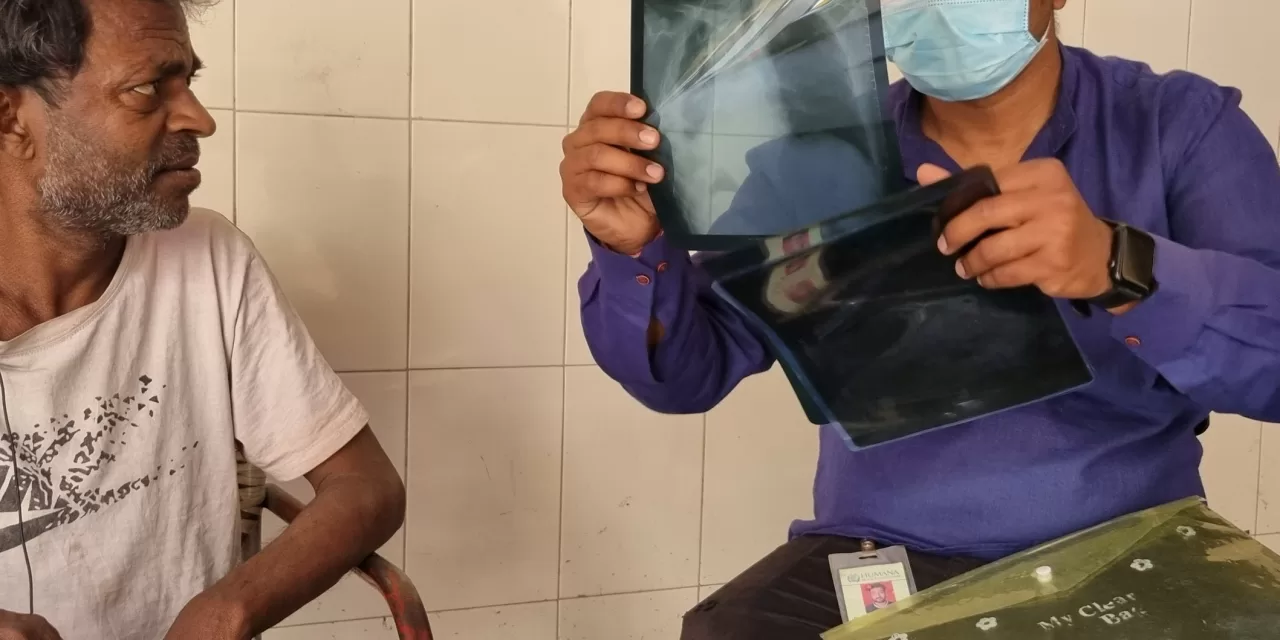
The government’s flagship TB Mukt Bharat Abhiyan, launched in late 2024, has screened over 19 crore vulnerable individuals and detected approximately 24.5 lakh TB cases, including 8.6 lakh asymptomatic cases, reflecting an emphasis on early and proactive case finding through AI-powered hand-held X-rays and upfront molecular diagnostics.
-
Treatment success rates have improved, exceeding global averages, with the program reaching 90% treatment success compared to 88% globally.
-
Nutritional support for TB patients under schemes such as Ni-kshay Poshan Yojana has doubled assistance, helping adherence and recovery.
Expert perspectives:
Dr. Anjali Mehta, Infectious Disease Specialist (not involved in the program), emphasizes, “The combination of advanced technology for early diagnosis, comprehensive treatment, and community support is critical for sustained TB control. India’s approach integrates these elements well, but challenges like drug resistance and social stigma remain”.
Context and background:
India bears the world’s highest TB burden despite significant declines in recent years. The National Tuberculosis Elimination Programme (NTEP), guided by the National Strategic Plan 2017-2025, aims to eliminate TB from India by 2025, five years ahead of the global Sustainable Development Goal target of 2030. The government has scaled up rapid diagnostics infrastructure, including molecular testing labs, to enhance detection and treatment. Whole-of-society engagement, including the involvement of over 2 lakh youth volunteers and thousands of Ni-kshay Mitras supporting patients nutritionally and socially, plays a vital role in the initiative’s impact.
Implications for public health:
This progress signals strengthened public health infrastructure and capacity. Early detection and tailored treatment of high-risk patients, including those with co-morbidities, reduce transmission and improve clinical outcomes. Nutritional and psychosocial support embedded in the program facilitate patient adherence and recovery, preventing disease resurgence.
Potential limitations and counterarguments:
Despite reported progress, some data suggest increasing TB case numbers in certain regions like Uttar Pradesh, reflecting uneven burden and challenges in data accuracy or case notification. The ambitious 2025 elimination goal might be overly optimistic given India’s population size and socio-economic diversity. Persistent challenges include drug-resistant TB strains, healthcare accessibility, and stigma deterring timely diagnosis and treatment adherence. Experts urge sustained investment, innovation, and addressing social determinants for long-term elimination success.
Practical implications for readers:
Individuals, especially in high-risk or vulnerable groups, should seek TB screening if symptomatic or exposed. Awareness of TB symptoms and early healthcare engagement remain crucial. Community support initiatives offer avenues for public participation. Nutritional support for patients is essential, highlighting the role of diet in recovery. The integration of technology in TB detection promises more accessible and rapid diagnosis options moving forward.
Medical Disclaimer: This article is for informational purposes only and should not be considered medical advice. Always consult with qualified healthcare professionals before making any health-related decisions or changes to your treatment plan. The information presented here is based on current research and expert opinions, which may evolve as new evidence emerges.
References: