 0
0
 0
0
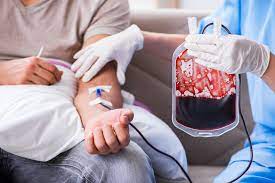
New Delhi, June 21 (IANS) — The Indian Council of Medical Research (ICMR) has launched the Rare Donor Registry of India (RDRI), a landmark initiative to address the critical need for rare blood types among patients suffering from conditions such as thalassemia, haemophilia, sickle cell disease, and primary immunodeficiency disorders.
The RDRI, developed by scientists at the ICMR-National Institute of Immunohaematology (NIIH) in collaboration with leading hospitals including KEM Hospital (Mumbai), PGI (Chandigarh), NRS Medical College (Kolkata), and JIPMER (Puducherry), aims to streamline the process of matching rare blood donors with patients in urgent need.
According to the ICMR, individuals with rare blood types—occurring in less than one in a thousand people—often face extreme challenges in accessing life-saving transfusions, especially during emergencies. The new registry addresses this by maintaining a database of over 4,000 carefully screened donors who have been tested for more than 300 rare blood markers. Within this pool, more than 1,000 individuals are negative for common antigens, and 128 have been identified as having very rare blood groups, including ultra-rare types like Bombay, P-null, and Rh-null.
The registry leverages advanced DNA testing (Multiplex PCR) to rapidly identify rare blood types, ensuring quicker and safer transfusions for patients who require highly specialized matches, such as those with thalassemia or sickle cell disease. The RDRI is expected to be integrated with e-Raktakosh, a national platform that provides real-time information on blood availability across India’s 4,000 licensed blood banks.
Dr. Manisha Madkaikar, Director of ICMR-Centre for Research Management and Control of Haemoglobinopathies (CRHCM) in Nagpur, emphasized the importance of this integration: “This will enable rare blood group patients to trace blood banks and procure blood with ease, and also assist blood banks in managing their stock and donors through a centralized system”.
India’s reliance on blood transfusions is significant, with thalassemia alone affecting 1 to 1.5 lakh patients who require regular transfusions. The national registry promises to transform the search for rare blood from a near-impossible task into a life-saving solution, ensuring that no life is lost due to a lack of compatible blood.
Disclaimer:
The information presented in this article is sourced from official ICMR communications and news reports. Views and opinions expressed in the article are based on available information and do not constitute medical advice. For specific queries or health concerns, please consult a qualified healthcare professional. Comments or opinions expressed in user-generated sections do not reflect the views of this publication.