 0
0
 0
0
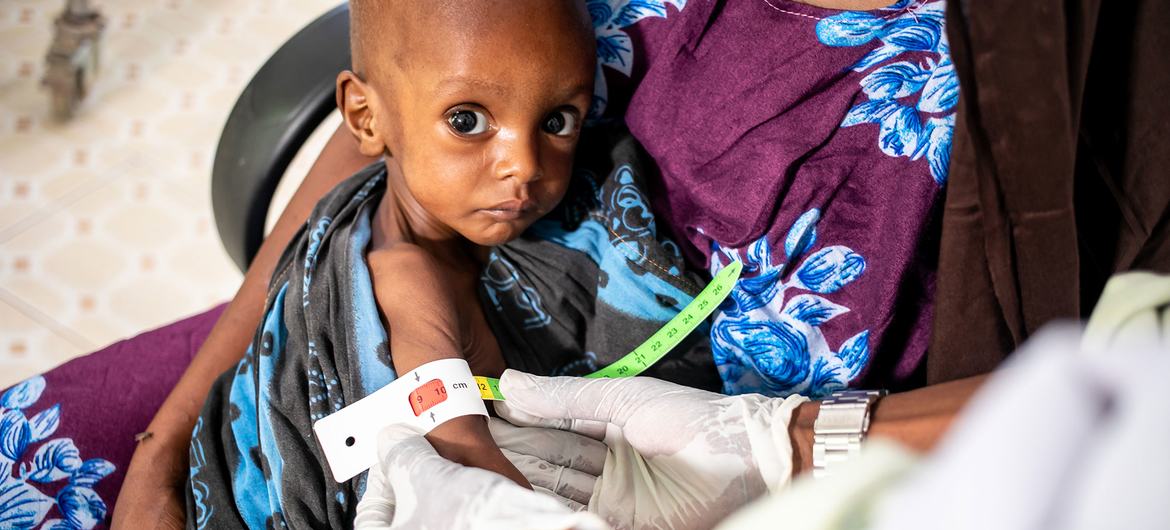
India is grappling with a complex nutritional crisis marked by the simultaneous presence of widespread undernutrition and a rapid rise in obesity—a phenomenon experts call the “double burden” of malnutrition. Despite decades of progress in reducing stunting and underweight among children, the country is now witnessing an unprecedented surge in obesity, particularly among adults, raising concerns for public health and the future of India’s workforce.
Persistent Undernutrition Amid Progress
Over the past two decades, India has made significant strides in reducing undernutrition. The prevalence of stunting among children under five dropped from 48% in 2006 to 38% in 2016, while underweight rates also declined4. These improvements are attributed to rising incomes, better parental education, and enhanced access to health services and sanitation. However, these gains are uneven. Rural areas and urban slums continue to report higher rates of stunting and underweight compared to urban non-slum households, underscoring persistent socio-economic and geographic inequalities4.
Obesity on the Rise
While undernutrition remains a critical issue, obesity has emerged as a growing threat. Between 2006 and 2016, the prevalence of overweight and obesity among adults in India doubled from 10% to 21%4. The surge is especially pronounced in rural and urban slum populations, where rates have quickly caught up with those in urban non-slum areas. The highest obesity rates are still found among wealthier urban residents, but the gap is narrowing as processed and calorie-dense foods become more accessible and affordable across all socio-economic groups45.
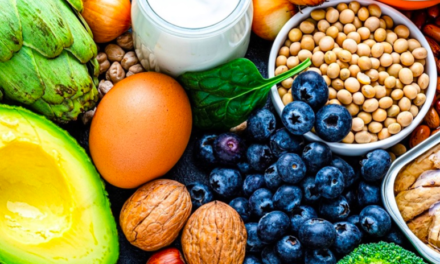
A recent Lancet study highlights that both undernutrition and obesity are driven by a lack of access to affordable, nutritious food. While food insecurity leads to undernutrition, the proliferation of inexpensive, ultra-processed foods high in fats, sugar, and salt is fueling the obesity epidemic—even among lower-income groups5. Experts note that in many cases, unhealthy street foods are cheaper and more readily available than fruits and vegetables, making healthy eating a challenge for much of the population53.
Dietary Shifts and Health Risks
India’s traditional, diverse diets are increasingly being replaced by processed and sugar-laden alternatives. This dietary transition, combined with sedentary lifestyles, is contributing to the rise in non-communicable diseases (NCDs) such as diabetes and heart disease. In 2017, NCDs accounted for nearly 62% of all deaths in the country1. The dual burden of malnutrition and obesity threatens to undermine India’s progress toward the Sustainable Development Goals (SDGs), particularly those related to child health and nutrition3.
Socio-Economic and Structural Challenges
Economic inequality exacerbates the crisis. About 74% of India’s population cannot afford a healthy diet, and poor sanitation and limited access to primary healthcare further hinder progress against malnutrition2. Inadequate monitoring and inconsistent delivery of government nutrition programs also contribute to gaps in intervention and outcomes2.
The Way Forward
Experts emphasize the need for a comprehensive approach that addresses both undernutrition and obesity. This includes:
-
Promoting dietary diversity and the consumption of nutrient-rich foods
-
Regulating the marketing and availability of unhealthy, ultra-processed foods
-
Strengthening public health infrastructure and sanitation
-
Ensuring equitable access to healthcare and nutrition programs, especially in rural and urban slum areas423
Without urgent and coordinated action, India risks missing its 2030 targets for reducing child stunting and mortality, as well as facing an escalating burden of obesity-related diseases3.
“The persistence of undernutrition alongside rising overweight/obesity suggests that India needs to develop new nutrition strategies that prioritize double-duty actions,” researchers conclude4.
Disclaimer:
This article is based on information from publicly available sources and recent studies, including data from the National Family Health Survey, The Lancet, and expert commentary. For more detailed and updated information, readers are encouraged to consult the original article from The Hindu and referenced scientific publications. The content is intended for informational purposes only and should not be construed as medical or professional advice.
Citations: