 0
0
 0
0
New Delhi, October 30, 2025 — India is witnessing a concerning rise in strokes among younger adults, a condition once predominantly seen in the elderly. Experts attribute this surge to modern lifestyle factors including rising stress, sedentary living, and metabolic disorders striking at earlier ages. Each year, an estimated 1.5 to 1.8 million Indians suffer strokes, making it the second leading cause of death and third leading cause of disability nationwide.
The increased incidence in young stroke patients—defined as those under 45 years old—is a dramatic shift from previous decades. Medical data indicate that 15 to 20 percent of Indian stroke patients are now under 45, nearly double the global rate of less than 10 percent. Neurologists warn that early-onset diabetes, hypertension, smoking, pollution exposure, chronic stress, and poor sleep patterns significantly contribute to this trend.
“Modern lifestyle is effectively aging our arteries faster than our actual years,” said Dr. Kunal Bahrani, Clinical Director of Neurology at Marengo Asia Hospitals, Faridabad. “A decade ago, most stroke patients were over 60. Today, we regularly see patients in their 30s and 40s. Urban professionals, IT workers, and students who spend prolonged hours on screens with erratic sleep and sedentary habits are demonstrating early vascular risks,” he explained.
The scale of the problem is substantial. According to a 2023 Lancet report, stroke incidence in India ranges from 130 to 170 cases per 100,000 people annually, which is higher than many high-income countries. Stroke causes an estimated 1.5 million deaths in India yearly and often results in lasting disability that impairs quality of life and productivity.
Dr. Amitabh Gupta, Neurology Director at PSRI Hospital, emphasized the multifactorial nature of stroke risk. “The rise is closely linked to increasing prevalence of lifestyle-related diseases such as obesity, diabetes, and hypertension, fueled by sedentary habits, unhealthy diets, smoking, and chronic stress,” he said. “It is no longer just an urban problem—rural populations are equally affected as these risk factors spread”.
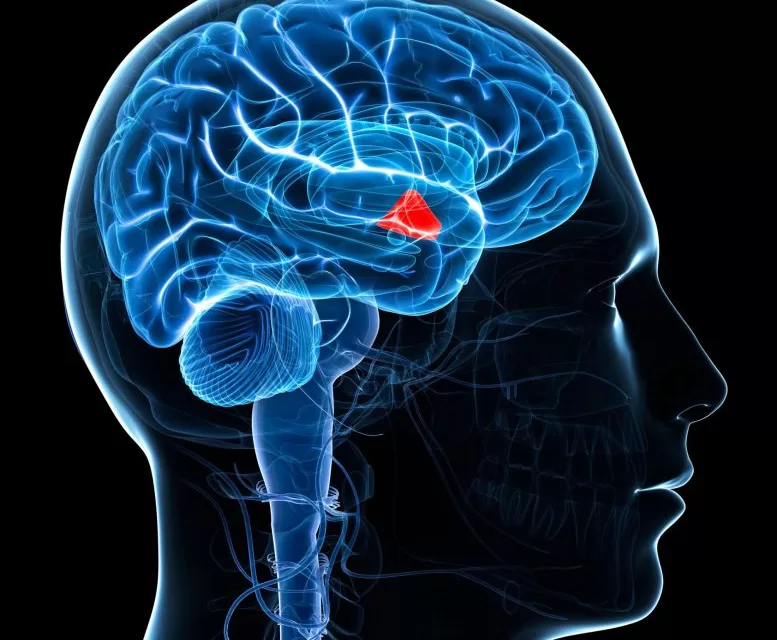
The consequences of delayed detection are severe. Dr. Gupta stressed that “every minute after a stroke, approximately two million brain cells die. Early hospital arrival—ideally within three hours—can triple chances of full recovery. Unfortunately, only one in ten stroke patients in India receive timely treatment”.
Recognizing stroke symptoms promptly is crucial. Warning signs include sudden weakness or numbness on one side of the body, slurred speech, blurred vision, severe headache, dizziness, or loss of balance. Dr. Gupta advised the public to seek immediate care at hospitals equipped with CT or MRI facilities rather than local clinics. Even transient neurological symptoms, often termed transient ischemic attacks or mini-strokes, must not be ignored as they frequently precede major strokes.
Recent advances in treatment offer renewed hope. Mechanical thrombectomy, a minimally invasive procedure to remove blood clots from blocked arteries, has transformed stroke care. It extends the treatment window to up to 24 hours for selected patients, improving outcomes significantly. The MIOT Stroke Restore Center in Chennai pioneered this technique in India, reporting success rates around 79%, with many patients regaining function within hours and returning home within a week.
Experts underline prevention as the most effective strategy. Adopting regular exercise, maintaining healthy diets, managing stress, controlling blood pressure and blood sugar levels, quitting smoking, and regular health check-ups are fundamental. Public awareness campaigns on stroke risk factors and symptoms are critical to reduce the burden.
To provide context, the 2025 Indian Journal of Medical Research systematic review reports stroke incidence varying between 105 to 152 per 100,000 individuals across different regions in India. This is markedly higher than in many developed nations. Early stroke mortality is also higher in India than globally, with fatality rates within the first week reaching 42% in urban and 46% in rural populations, underscoring the urgent need for improved stroke care.
In summary, the shift toward younger stroke patients in India signals an urgent public health challenge driven by lifestyle and metabolic factors compounded by delayed medical intervention. Improved public education, timely recognition, rapid access to advanced treatment, and proactive prevention strategies are vital to mitigate this rising epidemic.
Medical Disclaimer: This article is for informational purposes only and should not be considered medical advice. Always consult with qualified healthcare professionals before making any health-related decisions or changes to your treatment plan. The information presented here is based on current research and expert opinions, which may evolve as new evidence emerges.
References