 0
0
 0
0
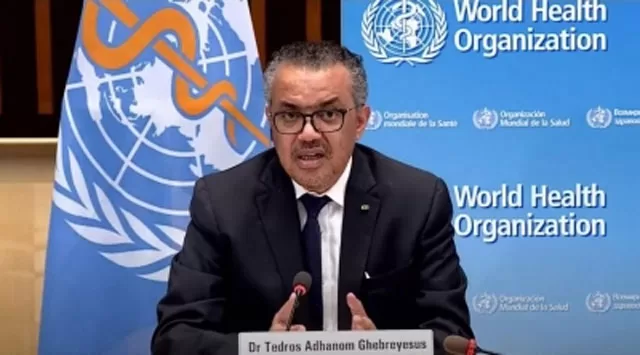
The World Health Organization (WHO) has formally sought urgent clarification from Indian authorities regarding a contaminated cough syrup, Coldrif, implicated in the deaths of at least 20 children in Madhya Pradesh, India. The global health agency’s inquiry aims to determine whether this syrup, found to contain dangerously high levels of toxic diethylene glycol (DEG), has been exported abroad, raising public health concerns beyond India’s borders. This incident highlights critical gaps in pharmaceutical safety oversight affecting pediatric medicines and has triggered widespread regulatory actions within India while prompting vigilance internationally.
Key Developments and Findings
In a disturbing outbreak beginning September 2025, at least 20 children under the age of five have died in Madhya Pradesh from kidney infections caused by ingesting Coldrif syrup manufactured by Sresan Pharmaceuticals in Tamil Nadu. The syrup was confirmed to contain 48.6% diethylene glycol, an industrial solvent with a permissible limit of only 0.1% in medicines, rendering the product fatally toxic. The toxic syrup caused kidney failure and systemic complications leading to deaths and critical illnesses among children who were initially treated for common cold symptoms before consuming the medication.
Indian regulatory bodies, including the Central Drugs Standard Control Organisation (CDSCO), have issued urgent alerts directing states to enforce rigorous testing compliance on all pharmaceutical batches, specifically emphasizing raw materials and finished products. Inspections revealed multiple pharmaceutical companies have violated mandatory testing protocols required to ensure drug safety, resulting in substandard medical products entering the market.
Several Indian states, including Tamil Nadu, Punjab, Rajasthan, Telangana, Himachal Pradesh, and others, have banned Coldrif and similar cough syrups suspected to contain DEG or ethylene glycol contaminants. A special investigation team (SIT) has been deployed to probe manufacturing facilities, and some drug production sites have been sealed pending inquiries.
Expert Commentary
Dr. Neha Singh, a pediatric nephrologist unaffiliated with the investigation, emphasized the grave implications of DEG poisoning, noting, “Diethylene glycol is a known nephrotoxin that can cause acute kidney injury and neurological damage in children, often with fatal outcomes. Such incidents underscore the critical need for stringent quality control and batch testing in pharmaceuticals, especially those intended for vulnerable populations like children.” She further called for transparency and swift regulatory action to restore trust in essential medicines.
Dr. Arvind Rao, a pharmaceutical regulatory expert, stated, “This tragic incident exposes systemic weaknesses in the enforcement of drug safety standards in India’s pharmaceutical industry. While India leads globally in generic drug production, lapses in testing and verification processes risk human lives and global confidence. Strengthening regulatory frameworks and international collaboration is essential.” He noted that India supplies nearly 40% of generics to the US and over 90% of medicines in parts of Africa, amplifying the potential international impact.
Context and Background
This incident echoes prior international tragedies where Indian-produced cough syrups contaminated with DEG caused the deaths of over 140 children in countries including Gambia, Uzbekistan, and Cameroon between 2022 and 2024. Additionally, India witnessed a similar poisoning event in 2019 involving 12 children. These recurring crises have tarnished the reputation of India’s pharmaceutical sector, which is the world’s third-largest by volume and a crucial global supplier of affordable medicines.
The Indian government’s response since 2023 has included mandating testing of cough syrup batches at government-approved laboratories before export, yet recent domestic violations suggest enforcement gaps persist. The WHO’s request for confirmation on whether Coldrif syrup was exported is part of broader efforts to prevent further international harm and possibly trigger a Global Medical Products Alert. Such a signal would enable worldwide recalls and stricter oversight.
Public Health Implications
The immediate public health concern is the safety of pediatric medicines in India and countries relying heavily on Indian pharmaceutical exports. The presence of industrial solvents like DEG in medicinal syrups points to contamination risks linked potentially to raw material sourcing or manufacturing negligence. These toxins not only cause acute kidney failure but may also lead to long-term neurological damage or death, particularly in children under five years, who are most vulnerable.
From a public health perspective, the incident demands increased surveillance, robust drug testing protocols, traceability of supply chains, and emergency response readiness to protect consumers. Parents and caregivers should be vigilant about medication sources, adhere strictly to prescribed dosages, and report adverse effects promptly to healthcare providers. Health authorities must communicate transparently and implement rapid recall mechanisms.
Potential Limitations and Counterarguments
While the evidence strongly implicates DEG contamination in these deaths, full investigations are ongoing, and regulatory reviews are vital to identify the root causes—whether due to raw material adulteration, manufacturing errors, or supply chain failures. Some industry representatives argue that isolated incidents should not undermine India’s overall pharmaceutical credibility, highlighting that many Indian manufacturers maintain high safety standards. Nevertheless, this incident stresses the sector’s need to close compliance gaps.
Conclusion
The tragedy resulting from adulterated cough syrup in India, marked by loss of young lives, underscores critical vulnerabilities in drug safety oversight affecting both domestic and global populations. The WHO’s demand for transparency and its assessment of a potential global medical alert reflect international concerns about pharmaceutical export safety. Stronger regulatory vigilance, comprehensive testing, and timely action by Indian authorities and international health bodies are essential to prevent recurrence and safeguard pediatric health worldwide.
Medical Disclaimer: This article is for informational purposes only and should not be considered medical advice. Always consult with qualified healthcare professionals before making any health-related decisions or changes to your treatment plan. The information presented here is based on current research and expert opinions, which may evolve as new evidence emerges.
References: