 0
0
 0
0
Dengue fever, a mosquito-borne viral infection, continues to pose a significant global health threat as cases reach historic highs. According to the World Health Organization, over 6.5 million cases and more than 7,300 dengue-related deaths were reported worldwide in 2023, affecting more than 80 countries across all regions.
What is Dengue Fever?
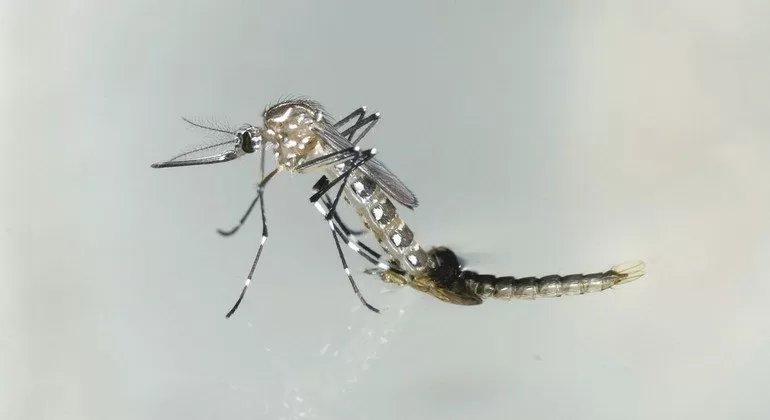
Dengue fever is caused by any one of four closely related dengue viruses, transmitted primarily by the Aedes mosquito. The disease can range from a mild flu-like illness to severe, life-threatening complications such as dengue hemorrhagic fever and dengue shock syndrome.
Symptoms and Warning Signs
Symptoms typically appear four to six days after infection and may last up to 10 days. Common signs include:
-
Sudden high fever (up to 105°F/40°C)
-
Severe headaches
-
Pain behind the eyes
-
Joint and muscle pain
-
Fatigue
-
Nausea and vomiting
-
Skin rash (appearing two to five days after fever onset)
-
Mild bleeding (such as nosebleeds or bleeding gums)
While most cases are mild, some can progress to severe dengue, which is characterized by:
-
Severe abdominal pain
-
Persistent vomiting
-
Rapid breathing
-
Bleeding gums or nose
-
Blood in vomit or stool
-
Pale, cold skin
-
Restlessness or fatigue
Individuals with weakened immune systems or those experiencing a second dengue infection are at greater risk for serious complications.
Diagnosis and Treatment
No specific antiviral treatment exists for dengue fever. Management focuses on supportive care:
-
Rest and hydration are essential.
-
Paracetamol (acetaminophen) can be used to reduce fever and pain.
-
Non-steroidal anti-inflammatory drugs (NSAIDs) like ibuprofen and aspirin should be avoided due to the risk of bleeding.
Severe cases may require hospitalization for intravenous fluids and close monitoring. Blood transfusions may be necessary in cases of significant bleeding or shock.
Prevention: The Best Defense
With no widely available vaccine or specific cure, prevention remains the most effective strategy:
-
Eliminate mosquito breeding sites by removing standing water from containers, tires, and flower pots.
-
Use insect repellents and wear loose, protective clothing.
-
Sleep under mosquito nets, especially in high-risk areas.
Community awareness and public health initiatives play a critical role in controlling outbreaks and reducing transmission.
Global Outlook
Dengue’s incidence has surged dramatically in recent decades, with the majority of cases occurring in tropical and subtropical regions. Experts warn that climate change, urbanization, and increased travel are contributing to the spread of dengue to new areas.
“Prompt and appropriate medical care provided by experienced healthcare professionals is critical in effectively treating dengue fever, as it helps prevent complications and reduces the fatality rate.”9
Disclaimer:
This article is for informational purposes only and does not constitute medical advice. For diagnosis, treatment, or medical concerns related to dengue fever, consult a qualified healthcare professional.
Citations: