 0
0
 0
0
India has made unprecedented progress in tuberculosis (TB) control, achieving a 21% decline in TB incidence between 2015 and 2024—almost double the global reduction rate of 12%—positioning the country as a global frontrunner in TB elimination efforts. This significant development, praised by Union Health Minister JP Nadda and Uttarakhand Chief Minister Pushkar Singh Dhami, reflects the impact of proactive government leadership under Prime Minister Narendra Modi and the success of innovative national TB control programs.
Key Developments in India’s TB Control Efforts
According to the World Health Organization (WHO) Global TB Report 2025, India’s TB incidence dropped from 237 cases per lakh population in 2015 to 187 per lakh in 2024. This decline stands out among high-burden countries worldwide. The enhanced coverage of TB diagnosis and treatment exceeded 92% in 2024, up from 53% in 2015. Treatment success rates improved to 90%, surpassing the global average of 88%. TB mortality also decreased from 28 to 21 per lakh population during this period.
Crucially, India has significantly reduced the number of “missing cases”—those infected but not reported to the national program—from 15 lakh in 2015 to fewer than one lakh in 2024, a critical factor in curbing transmission. The country has also maintained stable numbers of multidrug-resistant TB (MDR-TB) cases, with enhanced treatment regimens boosting recovery rates.
Political and Programmatic Leadership
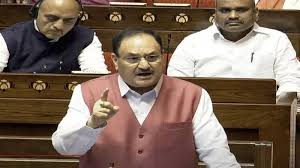
Union Health Minister JP Nadda attributed India’s progress to PM Modi’s visionary leadership and a vibrant “Jan Andolan” (people’s movement) for TB elimination, underlined by the launch of the flagship TB Mukt Bharat Abhiyan in December 2024. This campaign has screened over 19 crore vulnerable individuals nationwide, detecting more than 24.5 lakh TB patients, including about 8.6 lakh asymptomatic cases.
Modern technologies such as AI-enabled portable X-rays and decentralized nucleic acid amplification testing (NAAT) have been game changers in early diagnosis, especially in hard-to-reach areas. The program’s “differentiated care” approach targets high-risk groups—such as migrants, slum dwellers, people living with HIV, and those with comorbidities—to deliver tailored treatment and support.
Context and Background
India bears the highest global burden of TB, with an estimated 27 lakh new cases in 2024 alone. TB is a major public health issue, historically causing significant morbidity and mortality. According to WHO, nearly 1.2 million people died worldwide from TB in 2024, making it one of the world’s deadliest infectious diseases.
In response, India set an ambitious goal to eliminate TB by 2025, five years ahead of the global target of 2030. National strategies under the National Tuberculosis Elimination Programme (NTEP) emphasized early detection, treatment adherence, and nutritional and social support for patients. Funding for TB control increased nearly tenfold over nine years, reflecting the government’s commitment.
Implications for Public Health
The rapid decline in TB incidence and mortality has major public health implications. Early diagnosis, comprehensive treatment coverage, and community mobilization reduce transmission and improve outcomes. The reduction in missing and asymptomatic cases helps break the chain of infection.
India’s success offers a replicable model for other high-burden countries, demonstrating the importance of government leadership, use of advanced diagnostics, and engaging civil society in health campaigns. Continued efforts, including addressing social determinants and sustaining investments, remain critical to reaching TB elimination.
Limitations and Counterarguments
Despite remarkable progress, challenges persist. The 2024 incidence of 187 cases per lakh is still far from the WHO’s definition of elimination (<1 case per lakh). The ambitious 2025 elimination target faces scrutiny, given biological, social, and infrastructural barriers. Some experts caution that underdiagnosis, particularly in remote or marginalized populations, may mask remaining gaps.
Moreover, the COVID-19 pandemic disrupted health services globally, posing risks for TB control. Sustained political will and innovation are essential to prevent resurgence. Continued surveillance for drug resistance and integration of TB services with broader health and social care systems will be important moving forward.
Expert Perspectives
Dr. Anil Kumar, a pulmonologist not involved in the national program, commented, “India’s progress is indeed commendable. The focus on early detection using cutting-edge technology and community engagement sets a new standard. However, maintaining momentum and addressing social inequalities are vital to ensure no patient gets left behind.”
Similarly, Dr. Meera Sharma, a public health researcher, noted, “While the decrease in missing cases is a huge achievement, we must continue improving diagnostic access in rural and tribal areas to detect silent reservoirs of TB. The multisectoral approach integrating nutrition, housing, and addiction support is crucial.”
Practical Takeaways for Readers
For individuals, recognizing TB symptoms early and seeking timely medical care can save lives and prevent spread. Supporting public health initiatives and reducing stigma around TB encourages affected persons to comply with treatment plans. Awareness of high-risk settings and behaviors helps protect vulnerable groups.
At the community level, participation in government campaigns and advocacy for better living conditions can contribute to sustained TB control. Nutrition, avoiding smoking, and managing comorbidities like diabetes also reduce susceptibility.
Medical Disclaimer: This article is for informational purposes only and should not be considered medical advice. Always consult with qualified healthcare professionals before making any health-related decisions or changes to your treatment plan. The information presented here is based on current research and expert opinions, which may evolve as new evidence emerges.
References: