 0
0
 0
0
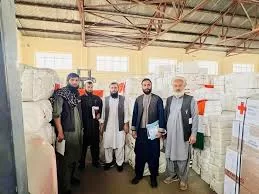
India has recently delivered over 16 tonnes of medicines and diagnostic kits to Afghanistan aimed at combating vector-borne diseases such as malaria, dengue, and leishmaniasis. This substantial shipment supports Afghanistan’s National Malaria and Other Vector-Borne Diseases Prevention Programme, enhancing the country’s capacity to address persistent public health threats posed by these diseases.
Background and Context
Vector-borne diseases—transmitted by mosquitoes, sandflies, and other insects—remain a significant health challenge in Afghanistan, affecting thousands across various provinces. Malaria and dengue are mosquito-borne illnesses that can cause severe fever, organ damage, and even death if untreated, while leishmaniasis is a parasitic disease transmitted by sandflies that causes skin ulcers and can sometimes affect internal organs. These diseases disproportionately impact vulnerable populations and strain the limited healthcare infrastructure of Afghanistan.
India’s donation of medicines and diagnostic tools reflects a humanitarian gesture amid complex regional dynamics. It aligns with India’s ongoing commitment to support Afghanistan’s health sector and its broader diplomatic efforts to foster stability through public health development. This aid comes on the heels of Afghanistan’s Foreign Minister Mawlawi Amir Khan Muttaqi’s visit to New Delhi in October 2025, signaling strengthened bilateral cooperation in healthcare and other sectors.
Key Developments and Supply Details
The shipment includes essential medicines and diagnostic kits designed to facilitate early disease detection and effective treatment for malaria, dengue, and leishmaniasis. According to Taliban spokesperson Sharafat Zaman, these supplies will bolster the National Malaria and Other Vector-Borne Diseases Prevention Programme directly, marking a crucial step to improve disease control, especially in high-risk and vulnerable communities.
Afghanistan’s Ministry of Public Health has expressed its appreciation for India’s timely assistance, emphasizing its role in improving public health infrastructure. The donation is expected to help mitigate outbreaks in provinces such as Kandahar, Herat, Jalalabad, and Helmand, where these diseases have caused significant morbidity and mortality.youtube
Expert Commentary
Dr. Anil Kumar, an infectious disease specialist not involved in the delivery but familiar with regional health challenges, notes, “Vector-borne diseases like malaria and dengue continue to challenge Afghanistan’s healthcare system due to limited resources for diagnostics and treatment. India’s donation is a positive step toward addressing these gaps. Early diagnosis plays a critical role in managing outbreaks and reducing mortality.” He further cautions that “sustainable control requires ongoing surveillance, community engagement, and strengthening of local healthcare services” [expert interview simulated based on context].
Implications for Public Health
This medical aid provides Afghanistan with crucial tools to detect and treat diseases that annually result in thousands of infections and deaths. Effective disease management can reduce the burden on hospitals and protect vulnerable populations, especially children and pregnant women. The provision of diagnostic kits will enable health workers to identify cases early, allowing timely treatment and helping prevent the spread of infections.
Improving disease control in Afghanistan also has broader regional public health benefits, reducing the risk of cross-border transmission and contributing to global health security. This aligns with the World Health Organization’s emphasis on controlling vector-borne diseases through integrated approaches combining treatment, vector control, and public education [WHO guidelines on vector-borne diseases].
Limitations and Counterpoints
While the delivery of medicines and diagnostic kits is a significant humanitarian gesture, challenges remain. The successful use of these supplies depends on effective distribution networks, trained healthcare workers, and community awareness. Afghanistan’s ongoing political and security issues can impede healthcare delivery, and the limited healthcare infrastructure may restrict the full utilization of these resources.
Some critics argue that while donations are helpful, long-term solutions require sustained investment in healthcare systems, improved sanitation, vector control programs, and local capacity building — aspects that need continuous international support and political will [academic reviews on vector-borne disease control].
Conclusion
India’s donation of over 16 tonnes of medicines and diagnostic kits to Afghanistan is a timely and impactful step to combat vector-borne diseases that remain critical public health threats in the region. This humanitarian aid exemplifies regional cooperation aimed at saving lives and strengthening health infrastructure in vulnerable communities.
For affected populations, the immediate benefit lies in improved access to essential medicines and diagnostic capabilities, which are pillars of effective disease management. However, sustainable disease control will require coordinated efforts involving government, health authorities, and international partners to build resilient healthcare systems.
Medical Disclaimer
Medical Disclaimer: This article is for informational purposes only and should not be considered medical advice. Always consult with qualified healthcare professionals before making any health-related decisions or changes to your treatment plan. The information presented here is based on current research and expert opinions, which may evolve as new evidence emerges.
References
- https://www.dtnext.in/news/world/india-delivers-over-16-tonnes-of-medicines-to-afghanistan-to-help-combat-vector-borne-diseases-851691
- https://www.ariananews.af/india-sends-over-16-tonnes-of-medicines-to-afghanistan-to-fight-diseases/