 0
0
 0
0
NEW DELHI — India is facing a looming respiratory health crisis as new research suggests lung cancer incidence and mortality rates are projected to climb significantly by 2030. A comprehensive study by the Indian Council of Medical Research (ICMR), recently published in the Indian Journal of Medical Research (IJMR), reveals a shifting landscape of the disease, with non-smoking women and residents of the North-East region emerging as particularly vulnerable populations.
The study, which analyzed data from 57 populations across six geographic regions, highlights a troubling trend: while tobacco remains a primary driver, environmental factors such as indoor air pollution and biomass fuel use are increasingly contributing to the disease burden.
The Changing Face of Lung Cancer in India
For decades, lung cancer was predominantly viewed as a disease affecting older male smokers. However, the ICMR data suggests a paradigm shift. The North-East region currently records the highest incidence rates in the country. In Aizawl, Mizoram, the age-standardized incidence rate has reached 35.9 per 100,000 among men and a staggering 33.7 per 100,000 among women—rates that are nearly equal across genders.
While high tobacco prevalence (68% among men and 54% among women in certain North-Eastern districts) explains much of this regional spike, other parts of the country are seeing increases that cannot be attributed to smoking alone.
The Rise of Adenocarcinoma
Medical professionals are noting a change in the pathological profile of the disease. Historically, squamous-cell carcinoma—strongly linked to heavy smoking—was the dominant subtype. Today, adenocarcinoma has taken its place as the most common form of lung cancer in India.
Adenocarcinoma originates in the glandular epithelial cells that line the organs and produce mucus. Unlike other forms, it often develops in the outer parts of the lungs and is the most common subtype found in non-smokers. In Bengaluru, adenocarcinoma now accounts for more than half of all lung cancer cases among women.
The Non-Smoker Paradox: Indoor Air and Pollution
One of the most concerning findings is the rapid increase in cases among women, even in regions where female tobacco use is below 10%. In Thiruvananthapuram, the annual increase in lung cancer among women is estimated at 6.7%, compared to 4.3% among men in other rising regions.
“We are seeing more lung cancer cases among non-smoking women, linked to indoor air pollution, biomass fuel use, second-hand smoke, and occupational exposure,” says Dr. Saurabh Mittal, a specialist in the Department of Pulmonology at the All India Institute of Medical Sciences (AIIMS), New Delhi.
In rural and peri-urban areas, the use of wood, coal, or animal dung for cooking (biomass fuel) creates high concentrations of particulate matter and carcinogens within the home. When combined with worsening ambient air quality in metropolitan hubs like Delhi and Hyderabad, the cumulative risk to the lungs is profound.
Regional Disparities and Statistical Projections
The ICMR study paints a complex map of risk across the Indian subcontinent:
| Region/City | Notable Findings |
| North-East (Aizawl) | Highest overall incidence; women’s risk nearly equals men’s. |
| South (Kerala) | High incidence in Kannur and Kollam among men despite lower substance use. |
| North (Srinagar/Pulwama) | High rates in both genders; potential links to environmental or occupational factors. |
| Urban Centers | Sharp rises in Bengaluru and Hyderabad, particularly among women. |
By 2030, projections suggest that lung cancer incidence among men could exceed 33 per 100,000 in parts of Kerala, while in cities like Bengaluru, the rate for women is expected to climb above 8 per 100,000.
Understanding the Biological Mechanism
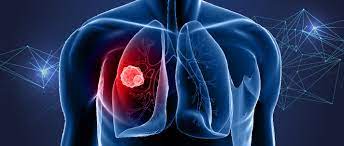
Lung cancer occurs when cells in the lung undergo uncontrolled division, typically triggered by DNA damage from external carcinogens. These damaged cells form masses called tumors, which eventually interfere with the lung’s primary function: the exchange of oxygen and carbon dioxide.
Beyond tobacco, the study points toward “second-hand smoke” and “radon gas” as significant threats. Radon is a naturally occurring radioactive gas that can seep into homes through soil and building foundations. In non-smokers, radon exposure is considered a leading cause of lung malignancy.
Prevention: More Than Just Quitting
While the statistics are sobering, experts emphasize that lung cancer is one of the most preventable forms of cancer through lifestyle changes and policy interventions.
-
Tobacco Cessation: Smokers face a risk nearly 20 times higher than non-smokers. Quitting at any age significantly lowers the risk, with the body beginning to repair lung tissue almost immediately.
-
Mitigating Indoor Pollution: Transitioning to clean cooking fuels (such as LPG) and ensuring proper ventilation in kitchens can drastically reduce carcinogen exposure for women in rural areas.
-
Radon Testing: In high-risk geographic areas, testing home environments for radon and sealing cracks in foundations can mitigate silent risks.
-
Occupational Safety: For those in industries involving asbestos, arsenic, or diesel exhaust, strict adherence to safety protocols and the use of protective respiratory gear are essential.
-
Diet and Exercise: While not a “cure,” a diet rich in antioxidants from fruits and vegetables may provide a modest layer of cellular protection against oxidative stress.
Public Health Implications
The ICMR findings serve as a clarion call for the Indian healthcare system. The rising numbers suggest an urgent need for expanded screening programs, particularly low-dose CT scans for high-risk individuals, and improved diagnostic infrastructure in the North-East and Southern states.
“The data indicates we cannot rely solely on anti-smoking campaigns to curb lung cancer,” notes the report. “A multi-pronged approach addressing air quality, kitchen transition, and early detection is vital to prevent a mortality crisis by the end of the decade.”
Would you like me to provide a list of recommended screening centers or more details on the symptoms of lung adenocarcinoma?
References
- https://www.ndtv.com/health/lung-cancer-cases-related-deaths-may-rise-sharply-by-2030-new-icmr-study-10565728
Medical Disclaimer: This article is for informational purposes only and should not be considered medical advice. Always consult with qualified healthcare professionals before making any health-related decisions or changes to your treatment plan. The information presented here is based on current research and expert opinions, which may evolve as new evidence emerges.