 0
0
 0
0
SUVA, FIJI — In a move set to redefine medical accessibility across the South Pacific, high-ranking officials from India and Fiji have formalised discussions to significantly expand their bilateral healthcare cooperation.
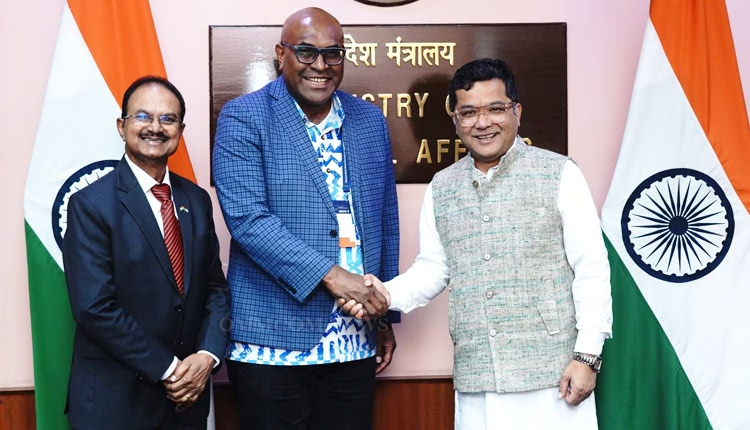
The meeting, held this week between India’s Minister of State for External Affairs, Pabitra Margherita, and Fiji’s Minister for Health and Medical Services, Dr. Atonio Lalabalavu, marks a pivotal moment in “South-South” cooperation. The dialogue focused on addressing Fiji’s immediate clinical needs while leveraging India’s position as the “pharmacy of the world” and a global leader in medical education.
The implications of this partnership extend far beyond diplomatic formalities; it promises to bring cutting-edge medical technology, affordable pharmaceuticals, and specialized surgical expertise to a region grappling with a rising tide of non-communicable diseases (NCDs).
Strengthening the Backbone of Pacific Healthcare
At the heart of the discussions was a commitment to infrastructure development and human resource capacity. Fiji, like many island nations, faces the dual challenge of geographical isolation and a “brain drain” of medical professionals. India has pledged to bridge this gap through targeted investment and knowledge exchange.
“The collaboration between India and Fiji is a testament to the power of shared goals in global health,” says Dr. Sanjay Verma, a global health policy analyst (not involved in the negotiations). “By integrating Indian medical expertise with Fiji’s local healthcare delivery systems, we are looking at a sustainable model for regional health security.”
Key areas of the proposed cooperation include:
-
Infrastructure Support: Enhancement of tertiary care facilities in Suva and Lautoka.
-
Capacity Building: Specialized training programs for Fijian doctors and nurses in Indian premier institutes like the All India Institute of Medical Sciences (AIIMS).
-
Digital Health: Implementing telemedicine frameworks to connect rural Fijian clinics with Indian specialists.
The Pharmaceutical Pipeline: Affordability and Access
One of the most significant hurdles for the Fijian healthcare system has been the high cost of imported medications. India’s pharmaceutical sector, which supplies over 20% of the world’s generic drugs, is poised to become a primary partner in ensuring Fijians have access to life-saving treatments at a fraction of current costs.
According to data from the World Health Organization (WHO), NCDs—including diabetes and cardiovascular disease—account for approximately 80% of deaths in Fiji. The availability of affordable insulin, antihypertensives, and oncology drugs is critical.
“For the average person in Fiji, this partnership could mean the difference between managing a chronic condition and facing catastrophic health expenditure,” explains Sarah Thompson, a public health researcher specializing in Pacific health equity. “When you lower the barrier to medication access, you immediately improve long-term patient outcomes.”
Medical Tourism and Specialized Care
For years, many Fijian citizens have traveled to India for complex procedures such as cardiac surgeries, kidney transplants, and advanced cancer treatments. The new discussions aim to streamline this “medical travel” while simultaneously working to bring those capabilities directly to Fijian soil.
Minister Margherita emphasized India’s commitment to providing “high-quality, cost-effective healthcare solutions” that align with Fiji’s national health priorities. This includes the potential for Indian hospital chains to establish satellite centers in Fiji, reducing the need for patients to endure the 12,000-kilometer journey for follow-up care.
Challenges and Considerations
While the partnership is viewed with optimism, experts urge a balanced approach. Critics of rapid international medical integration often point to the need for “cultural competency” in healthcare delivery.
“Medical technology and pharmaceuticals are universal, but healthcare delivery is deeply local,” notes Dr. Thompson. “It is essential that this cooperation respects Fijian traditional medicine and local community structures. Success will depend on how well Indian expertise is adapted to the Pacific context, rather than just being ‘transplanted’ there.”
Furthermore, ensuring the quality control of imported generics and maintaining the digital infrastructure required for telemedicine will require rigorous regulatory oversight from both nations.
Public Health Implications: The Road Ahead
For the health-conscious consumer in Fiji and the wider Pacific, these developments signal a shift toward more proactive health management. Increased cooperation is expected to lead to:
-
Reduced Wait Times: For elective surgeries and specialist consultations.
-
Vaccine Security: Leveraging India’s vaccine manufacturing prowess to bolster regional immunization programs.
-
Research Collaboration: Joint studies on health issues specific to the Pacific population, such as the genetic markers of diabetes in Melanesian and Indo-Fijian communities.
As the two nations move toward signing formal Memorandums of Understanding (MoUs), the global health community will be watching closely. This partnership serves as a blueprint for how emerging economies can support one another to achieve the United Nations Sustainable Development Goal of “Good Health and Well-being” for all.
Medical Disclaimer
This article is for informational purposes only and should not be considered medical advice. Always consult with qualified healthcare professionals before making any health-related decisions or changes to your treatment plan. The information presented here is based on current research and expert opinions, which may evolve as new evidence emerges.
Reference Section
Primary Source:
-
Ministry of External Affairs, India. (2024). Official Briefing: Visit of Minister of State Pabitra Margherita to Fiji.
-
Ommcom News. (2024). “MoS Margherita, Fiji Health Minister Discuss Medical Cooperation.” [https://ommcomnews.com/india-news/mos-margherita-fiji-health-minister-discuss-medical-cooperation/]