 0
0
 0
0
A new analysis published in The Lancet has revealed that India is one of eight countries accounting for more than half of the world’s unvaccinated children as of 2023, underscoring persistent global health inequities. The study, conducted by the Global Burden of Disease (GBD) 2023 Vaccine Coverage Collaborators, provides updated estimates of routine childhood vaccine coverage across 204 countries and territories from 1980 to 2023.
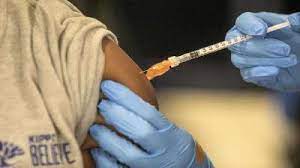
According to the findings, 15.7 million children worldwide received no doses of the diphtheria, tetanus, and pertussis (DTP) vaccine in their first year of life in 2023. Of these, 1.44 million were in India. The other countries with the highest numbers of “zero-dose” children include Nigeria, Democratic Republic of the Congo, Ethiopia, Somalia, Sudan, Indonesia, and Brazil. Together, these eight nations represent more than 50% of the global total of unvaccinated children.
The study highlights that, despite significant progress over the past four decades—routine childhood vaccine coverage has doubled globally against diseases such as diphtheria, tetanus, whooping cough, measles, polio, and tuberculosis—progress has stalled or even reversed in many regions since 2010. The number of zero-dose children fell by 75% from 58.8 million in 1980 to 14.7 million in 2019, but the COVID-19 pandemic, growing vaccine hesitancy, and persistent inequalities have contributed to a slowdown in immunisation efforts.
Senior author Dr. Jonathan Mosser from the Institute for Health Metrics and Evaluation (IHME) at the University of Washington noted, “Despite the monumental efforts of the past 50 years, progress has been far from universal. Large numbers of children remain under- and un-vaccinated.” He warned that these trends increase the risk of outbreaks of preventable diseases like measles, polio, and diphtheria.
The report calls for targeted improvements to ensure all children benefit from lifesaving immunisations, noting that accelerated progress is needed to meet the 2030 target of halving the number of zero-dose children compared to 2019 levels. As of 2023, only 18 of 204 countries and territories are estimated to have achieved this goal.
Disclaimer
This article is based on information from a study published in The Lancet and summarised by CNBC-TV18 and other reputable news outlets. The findings reflect the state of childhood immunisation as of 2023 and may be subject to further updates or revisions as new data become available.