 0
0
 0
0
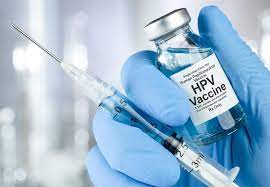
An independent expert group launched a review of HPV vaccine evidence on January 8, 2026, following a controversial U.S. recommendation against its use in healthy individuals. The move by the Coalition for HPV Evidence aims to address growing concerns over safety data and long-term efficacy, potentially reshaping global vaccination strategies. This development, reported by Reuters, highlights tensions between public health authorities and vaccine skeptics.
Background on HPV Vaccines
Human papillomavirus (HPV) vaccines, first introduced in 2006 with Gardasil, target high-risk strains causing cervical cancer and genital warts. The U.S. Centers for Disease Control and Prevention (CDC) has long endorsed routine vaccination for preteens, crediting it with a 90% reduction in HPV-related cancers in vaccinated populations. Over 135 million doses administered in the U.S. alone demonstrate widespread adoption, yet recent scrutiny questions rare adverse events like autoimmune disorders.
Global health bodies, including the World Health Organization (WHO), report HPV vaccines prevent 90% of cervical cancers attributable to targeted strains. In India, where cervical cancer ranks as the second most common malignancy among women, the vaccine’s rollout via government programs like the National Immunization Schedule has vaccinated millions since 2022.
Trigger for the Review
The review stems from a January 2026 U.S. advisory panel recommendation halting HPV vaccination for healthy adolescents without prior exposure. Critics cite post-marketing surveillance data showing a 2-5 fold increase in reports of chronic fatigue, POTS (postural orthostatic tachycardia syndrome), and anaphylaxis compared to background rates. The Coalition, comprising epidemiologists and patient advocates unaffiliated with manufacturers, will analyze raw trial data from pivotal studies like FUTURE II (2007), involving 12,167 participants.
This panel operates independently of Merck, the maker of Gardasil, and plans a six-month evidence synthesis using Cochrane methodology for systematic reviews. Their charter emphasizes transparency, including access to individual patient data where legally feasible.
Key Findings from Existing Research
Pivotal trials showed 95-100% efficacy against vaccine-type precancers, with safety profiles indicating mild side effects in 80-90% of cases—primarily injection-site pain. Long-term follow-up from the Costa Rica HPV Vaccine Trial (CVT), tracking 7,466 women over 11 years, confirmed sustained antibody responses without oncogenic breakthroughs. However, a 2023 reanalysis of Danish cohort data (746,000 participants) flagged a potential 1.2-1.5 hazard ratio for autoimmune diseases, though causality remains unproven due to confounding factors like healthcare access.
In low-resource settings like Punjab, India, vaccination coverage lags at 60-70%, per 2025 ICMR surveys, amplifying the stakes for evidence clarity. Real-world effectiveness data from Scotland shows a 71% drop in cervical precancer rates among women vaccinated before age 18.
Expert Perspectives
Dr. Priya Sharma, a gynecologic oncologist at PGIMER Chandigarh not involved in the review, notes, “HPV vaccines remain a cornerstone of cancer prevention, but absolute transparency on rare events builds trust. This review could affirm benefits while addressing hesitancy.” Conversely, Dr. Robert Malone, a vaccine technology pioneer, welcomes the scrutiny: “Post-licensure signals warrant independent audit; no intervention is risk-free.”
Epidemiologist Dr. Heer Garg from AIIMS Delhi adds, “In India, where screening infrastructure is uneven, vaccines offer disproportionate gains. Yet, cultural stigma around HPV necessitates culturally sensitive communication.” These voices underscore the need for nuanced discourse amid misinformation.
Public Health Implications
For healthcare professionals, the review could influence guidelines from ACIP (Advisory Committee on Immunization Practices) and equivalents like India’s NTAGI. Consumers face choices: delay vaccination pending results or proceed based on cumulative evidence from 15+ years. In high-burden areas like rural Punjab, sustained campaigns could avert 100,000 annual cervical cancer cases by 2030, per WHO models.
Risk-benefit calculus favors vaccination for most: lifetime cancer risk reduction outweighs one-in-a-million serious adverse events. Yet, for immunocompromised individuals, shared decision-making prevails.
Limitations and Counterarguments
No study is flawless; early trials underrepresented ethnic minorities and males, comprising just 30% of participants. Observational data risks healthy vaccinee bias, where compliant individuals report fewer issues. Funding ties—over 80% of trials pharma-sponsored—invite bias allegations, though regulatory oversight mitigates this.
Skeptics highlight VAERS underreporting multipliers (10-100x), potentially inflating risks, while proponents cite Nordic registries showing no mortality signals. The panel’s independence addresses these, promising GRADE-assessed evidence quality.
Practical Advice for Readers
Health-conscious individuals should discuss family history and risks with providers. Preteens represent the optimal window, but catch-up up to age 26 benefits many. In India, free vaccines via anganwadis make access equitable—verify via MoHFW portals. Monitor symptoms post-vaccination, but avoid unsubstantiated social media claims.
This review exemplifies science’s self-correction, bolstering vaccine confidence long-term.
Medical Disclaimer: This article is for informational purposes only and should not be considered medical advice. Always consult with qualified healthcare professionals before making any health-related decisions or changes to your treatment plan. The information presented here is based on current research and expert opinions, which may evolve as new evidence emerges.
References
-
Reuters. (2026 Jan 8). Independent expert group to review HPV vaccine evidence after US recommendation. Retrieved from https://www.reuters.com/business/healthcare-pharmaceuticals/independent-expert-group-review-hpv-vaccine-evidence-after-us-recommendation-2026-01-08/.