 0
0
 0
0
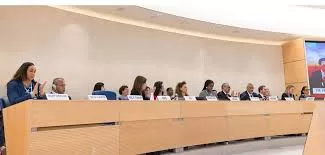
Dr Tedros Adhanom Ghebreyesus, the WHO Director-General, and other senior leaders thanked Member States for their support and partnership, noting their profound vote of confidence in WHO’s mission and their commitment to health security and resilience worldwide.
Insufficient levels of predictable funding of WHO has hindered its ability to carry out long term projects and support its global operations to promote health for all. This, in addition to over reliance on funding from a small set of traditional donors, was identified as a major organizational challenge in WHO’s Transformation initiative that launched in 2017.
In 2022, WHO Member States agreed an historic increase in their assessed contributions by gradually increasing their membership dues to represent 50% of WHO’s core budget by the 2030–2031 cycle, at the latest. In the 2020–2021 biennium, assessed contributions represented only 16% of the approved programme budget.
While this work began years ago, due to recent changes in the global financial landscape, sustainable financing is more important than ever before. WHO’s originally approved 2026–27 programme budget was downsized 22% (from US$ 5.3 billion to US$ 4.2 billion) due to financial constraints.
Today’s approval of WHO’s base programme budget of US$ 4.2 billion for 2026–2027 is the first to be fully developed based on the Organization’s Fourteenth General Programme of Work, 2025–2028 (GPW 14), its global health strategy for the next four years.