 0
0
 0
0
Rapid Tool Developed for Water Safety
GUWAHATI, 1 September 2025 — Scientists at the Indian Institute of Technology (IIT) Guwahati have developed an innovative nanosensor that can instantly detect dangerous contaminants in water, including mercury and certain antibiotics linked to increased cancer risk and antibiotic resistance. Laboratory results show the sensor—made from common milk protein and thymine—can flag hazardous levels of these pollutants in less than 10 seconds, marking a significant step for public health protection amidst growing water safety concerns.
A Closer Look: How the Sensor Works
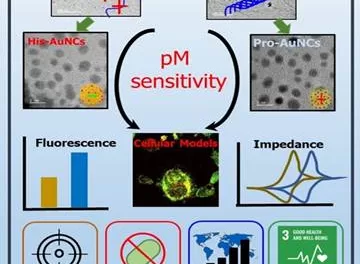
The new device employs “carbon dots,” a type of fluorescent nanoparticle derived from biogenic (naturally sourced) milk protein and thymine, a nucleobase found in DNA. Under ultraviolet light, these carbon dots normally emit a bright glow. When they come into contact with mercury or tetracycline antibiotics—even in trace amounts—the glow dims noticeably, offering a simple, visible cue that water is contaminated.
Lead researcher Prof. Lal Mohan Kundu, Department of Chemistry at IIT Guwahati, explained: “Detection of pollutants such as mercury and antibiotics is important, not only in water but also in biological fluids. Mercury is highly carcinogenic. Excess antibiotics also pose adverse health consequences. This sensor can detect mercury and tetracyclines at very low concentrations”.
Key Findings and Performance
Remarkable Sensitivity and Speed
-
Mercury Detection: The sensor is capable of detecting mercury at concentrations as low as 5.3 nanomolar (nmol/L), equivalent to 1.7 parts per billion. This exceeds the safety standards set by the U.S. Environmental Protection Agency (EPA), which typically recommends limits below 2 parts per billion for mercury in freshwater systems.
-
Antibiotics Detection: The device registers tetracycline—an antibiotic present in some contaminated waters—at concentrations as low as 10–13 nanomolar.
-
Response Time: The sensor delivers results in less than 10 seconds, allowing for almost immediate detection.
-
Practical Use: The research team has coated the sensor onto paper strips, enabling simple, on-the-spot testing with an ultraviolet lamp in the field or at home.
Laboratory Testing
The nanosensor was tested in a variety of water sources—including tap, river, milk, urine, and serum samples—and consistently demonstrated accurate, reliable results.
Context: Why Mercury and Antibiotics Are a Concern
Mercury
Mercury, especially in its organic forms (such as methylmercury), poses severe risks to human health. Exposure has been linked to the development of cancer, neurological disorders, and cardiovascular disease, and even small amounts in water supplies can prove harmful over time. Mercury pollution is a byproduct of industrial processes, mining, and the improper disposal of certain consumer goods.
Antibiotics
Tetracyclines are a class of antibiotics used to treat conditions like pneumonia and various respiratory infections. Improper disposal and runoff from agricultural or pharmaceutical operations allow these drugs to enter waterways, contributing to antimicrobial resistance, hormone disruption, and potentially carcinogenic effects. The World Health Organization and public health experts emphasize the need for rapid detection to protect water quality globally.
Expert Commentary
Dr. Sarita Goyal, Professor of Environmental Chemistry, who was not involved in the project, stated:
“Current heavy metal and antibiotic detection methods are often slow, expensive, or require complex laboratory equipment. The development of a sensitive, portable nanosensor that can deliver results in real-time is a welcome advance for both environmental monitoring teams and the public. Still, field validation and regulatory approval are necessary before large-scale deployment”.
Dr. Ranjan Mehta, clinical toxicologist at the National Institute of Occupational Health, adds:
“This sensor’s sensitivity for mercury detection—below widely recognized safety thresholds—means it may help preempt adverse health events, especially in rural or resource-limited environments”.
Broader Public Health Implications
-
Low-cost Innovation: Constructed from affordable, widely available materials, the sensor is both low-cost and biocompatible, which may ease regulatory hurdles for use in diverse settings.
-
Access to Rapid Testing: By integrating the sensor with paper strips for field use, the team has enabled widespread, point-of-care detection of harmful contaminants, especially in areas lacking advanced laboratory resources.
-
Potential for Expansion: While this study focuses on mercury and tetracycline, the underlying technology could be adapted for other pollutants in the future.
Critical Perspective and Study Limitations
Laboratory Stage Research
The IIT Guwahati nanosensor remains in the laboratory stage. According to the developers, its effectiveness in real-world settings will require further validation, especially outside controlled environments. At present, it is not yet available commercially.
Challenges Ahead
-
Regulatory Testing: Regulatory agencies such as the EPA and India’s Central Pollution Control Board will need to review and approve the technology for widespread use.
-
Scale and Robustness: Ensuring the sensor’s accuracy in diverse, real-world conditions—where water samples may contain many interfering substances—remains a challenge for future studies.
-
Adoption Hurdles: As with any new technology, public awareness campaigns will likely be needed to educate communities about usage and interpretation of test results.
Practical Takeaways
While this nanosensor offers exciting possibilities, water safety for consumers still relies on proven public health protections, such as proper water treatment, responsible medication disposal, and regular municipal water testing. Rapid screening tools like the IIT Guwahati sensor may one day empower individuals and health officials to identify contamination before it becomes a public health crisis.
Medical Disclaimer
Medical Disclaimer: This article is for informational purposes only and should not be considered medical advice. Always consult with qualified healthcare professionals before making any health-related decisions or changes to your treatment plan. The information presented here is based on current research and expert opinions, which may evolve as new evidence emerges.
References