 0
0
 0
0
New Delhi, August 21, 2025
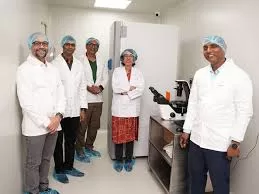
In a significant stride for India’s scientific and healthcare ecosystem, the Indian Institute of Technology Delhi (IIT Delhi) inaugurated its state-of-the-art Biosafety Level 3 (BSL-3) research facility on August 19, 2025. Housed within the campus’s Micromodel Complex and overseen by the Central Research Facility (CRF), this advanced laboratory promises to catalyze innovation in the field of infectious disease diagnostics, therapeutics, and biomedical engineering.
What Sets This BSL-3 Facility Apart?
The new BSL-3 lab is the first of its kind among leading Indian educational institutions. Unlike conventional research spaces, it empowers engineers, biologists, and clinicians to collaborate under one roof, accelerating the development and testing of solutions against highly infectious “class-3” pathogens—organisms responsible for diseases such as tuberculosis, severe acute respiratory syndromes, and certain viral infections. The facility is available to academic researchers, startups, and industry on a paid, assisted basis, promoting democratization of advanced biosafety infrastructure.
“This new research and testing facility will enable research and innovation in medical diagnostics and therapeutics and support IIT Delhi’s efforts to cater to academia and industries alike in the domain of healthcare research, bringing in scientists and engineers on a single platform to carry out cutting-edge research,” explained Prof. Arvind Nema, Deputy Director (Operations), IIT Delhi.
Key Features and Innovation Hubs
-
Industry and Academia Access: For the first time in India, startups, medium-sized enterprises (MSMEs), and academic labs can bring their own hardware and personnel into a BSL-3 environment for direct, hands-on iterative testing.
-
Accelerated Development: Previously, device developers relied on distant BSL-3/BLS-4 laboratories, slowing testing cycles due to logistical hurdles. In this new model, iterative design and real-time troubleshooting are possible onsite.
-
Assisted Research: All work is supervised by trained professionals with expertise in class-3 pathogen handling, ensuring safety and compliance with international biosafety standards.
-
Collaboration Ecosystem: Designed as a collaborative platform, the lab supports public health innovation through partnerships with medical institutes in the National Capital Region (NCR) and across India.
The Importance of BSL-3 Laboratories
Biosafety Level 3 (BSL-3) facilities are specialized laboratories designed for research involving pathogens that can cause serious or potentially lethal diseases through airborne transmission (e.g., Mycobacterium tuberculosis, SARS, Nipah virus). Strict containment protocols—such as negative air pressure, HEPA filtration, and rigorous personal protective equipment (PPE) requirements—protect lab staff and prevent environmental contamination.
The need for such facilities has grown sharper following the COVID-19 pandemic, which underscored both the challenges and necessity of rapid response capabilities for emerging infectious threats. Until now, access to BSL-3 labs in India was limited, often restricted to government or high-budget research entities.
Expert Perspectives
While the development is widely heralded, experts outside the IIT Delhi initiative urge a balanced outlook.
“Expanding hands-on access to BSL-3 environments is a game-changer for India’s health technology sector. However, it’s essential to maintain the highest standards of training and oversight to avoid accidental exposures or breaches,” commented Dr. Neha Sharma, infectious disease specialist at Apollo Hospitals (not involved in the IIT project).
Dr. Suresh Gupta, a virologist at the Indian Council of Medical Research, added, “Collaborative innovations are critical in the post-COVID era, but regulatory frameworks must evolve simultaneously to address new influxes of non-traditional researchers in high-containment labs.”
Implications for Public Health and Innovation
-
Rapid Diagnostics: Presence of a BSL-3 facility enables quicker development, prototyping, and validation of diagnostic devices for diseases like tuberculosis, avian influenza, and SARS.
-
Therapeutic Advances: Researchers can safely test vaccine candidates and new therapeutic molecules against high-risk pathogens.
-
Startup Ecosystem: Lower infrastructure barriers mean MSMEs and health tech startups can innovate without investing crores in their own BSL-3 setups, potentially increasing the pipeline of commercially viable medical devices.
-
Boosting National Readiness: Enhances India’s preparedness for epidemic or pandemic outbreaks by supporting rapid translational research.
Limitations and Safeguards
-
Strict Protocols Required: Entry and research in BSL-3 labs demand specialized training, rigorous compliance, and ongoing monitoring. Ensuring safety and preventing lapses is paramount.
-
Not for High-Consequence Pathogens: Some threats (e.g., Ebola, Marburg virus) require even higher biosafety level (BSL-4) environments, which remain scarce in India.
-
Potential for Bottlenecks: As access opens up to a wider range of researchers and startups, demand may quickly outstrip available facility time, necessitating careful allocation and oversight.
What Does It Mean for Patients, Clinicians, and Policymakers?
For clinicians and healthcare workers, faster translation of research into diagnostic tools and treatments will improve early detection and response to infectious diseases. For policymakers, the move signals a robust investment in India’s biosecurity and public health capabilities. For innovators, it levels the playing field—making high-level research possible without prohibitive costs.
Conclusion
The inauguration of IIT Delhi’s BSL-3 lab represents a benchmark moment for Indian medical research, blending world-class containment with collaborative, multidisciplinary innovation. While its full impact will unfold over time, it has already set a new bar for accessible, high-impact research aimed at the most pressing threats to public health.
Medical Disclaimer
Medical Disclaimer: This article is for informational purposes only and should not be considered medical advice. Always consult with qualified healthcare professionals before making any health-related decisions or changes to your treatment plan. The information presented here is based on current research and expert opinions, which may evolve as new evidence emerges.
References