 0
0
 0
0
New Delhi, July 15, 2025 — In a major step towards improving women’s reproductive health, the Indian Council of Medical Research-National Institute for Research in Reproductive and Child Health (ICMR-NIRRCH), Mumbai, has announced the rollout of a comprehensive, multidisciplinary care model for endometriosis across public tertiary hospitals in India.
Endometriosis: A Growing Health Challenge
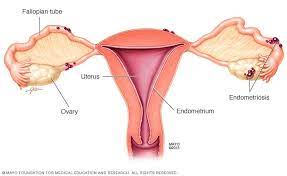
Endometriosis, a chronic gynecological condition where tissue similar to the uterine lining grows outside the uterus, affects an estimated 40 million women in India—nearly one-sixth of global cases. Despite its prevalence, the country has lacked evidence-based national guidelines for early diagnosis and effective treatment, particularly in rural areas.
Key Findings from India’s First National Study
The new care model is rooted in findings from the Endometriosis Clinical and Genetic Research in India (ECGRI) study, the nation’s first large-scale investigation into the condition. The five-year study involved 1,775 women with endometriosis and an equal number of controls, spanning 18 sites across nine states.
Highlights from the ECGRI study:
-
Delayed Diagnosis: Women experienced an average treatment delay of nearly nine years.
-
Early Onset: 37% reported symptoms during adolescence, and 77% before the age of 30.
-
Demographics: Most participants were urban (66%), married (88%), and unemployed (60%).
-
Symptoms: Pain (73%) and infertility (46%) were the most common complaints.
-
Risk Factors: Underweight women, those with heavy or irregular bleeding, short menstrual cycles, and hormonal use were at higher risk.
-
Associated Conditions: Over 50% also suffered from other gynecological disorders, with notable rates of autoimmune (18.6%), musculoskeletal (13.5%), and psychiatric conditions (11.6%).
The EndoCare India Model
The newly developed Endometriosis Multidisciplinary Care Model (EndoCare India) aims to provide holistic, patient-centered care by bringing together specialists from:
-
Gynecology
-
Anesthesiology
-
Surgery
-
Radiology
-
Pathology
-
Mental health
-
Physiotherapy
-
Nutrition
-
Social work
This integrated approach is designed to address the complex medical, psychological, and social needs of women with endometriosis at all life stages, ensuring coordinated and continuous care within the public healthcare system.
Addressing Barriers and Stigma
According to Dr. Rahul Gajbhiye, lead investigator of the ECGRI study, the disease often goes undiagnosed in India due to:
-
Shortage of endometriosis specialists
-
Inadequate healthcare infrastructure, especially in rural areas
-
Low awareness and social stigma around menstruation-related disorders
-
Limited training among general practitioners
He emphasized the importance of educational programs in schools and workplaces to combat stigma and promote early intervention, drawing inspiration from initiatives in countries like New Zealand.
Global Context and the Way Forward
Multidisciplinary care models are already standard in countries such as the US, Canada, UK, Sweden, Denmark, France, and Australia, where dedicated pelvic pain clinics enable early recognition and prompt treatment. ICMR’s initiative seeks to bring similar standards to India, with a call for policymakers to establish specialized endometriosis care centers in public hospitals.
According to the World Health Organization (WHO), about 10% of women of reproductive age globally are affected by endometriosis1.
Disclaimer:
This article is based on information from the Indian Council of Medical Research and the ECGRI study as reported by The New Indian Express. It is intended for informational purposes only and should not be considered medical advice. For diagnosis or treatment of any health condition, please consult a qualified healthcare professional1.