 0
0
 0
0
New Delhi, May 20:
For many, the idea of a serious health problem conjures images of pain, alarming symptoms, or unmistakable warning signs. Yet, high blood pressure—clinically known as hypertension—defies this expectation. Often dubbed the “silent killer,” hypertension quietly inflicts damage on the body’s most vital organs, frequently without a single symptom, and is sometimes only discovered during a medical emergency such as a stroke or brain hemorrhage.
No Early Warning, Just Sudden Consequences
Dr. Priyanka Sehrawat, neurologist at AIIMS Delhi, highlights the unpredictable nature of hypertension. “It doesn’t always cross 140/90 with loud warning bells,” she says. “Many patients only realise something is wrong when they’re in the emergency room.” The danger lies in its stealth—hypertension does not always follow predictable patterns or cause noticeable symptoms.
Contrary to popular belief, symptoms like headaches, dizziness, or nosebleeds are not guaranteed. Some individuals may feel uneasy during minor spikes, while others can have dangerously high readings and feel perfectly normal. Internally, high blood pressure gradually damages blood vessels, especially in the brain, increasing the risk of vessel rupture (hemorrhagic stroke) or blockage (ischemic stroke). In many cases, the first sign of hypertension is a serious complication—sudden blurred vision, slurred speech, or collapse—by which time the damage can be severe.
A Growing and Largely Hidden Epidemic
Hypertension is a leading cause of premature death and cardiovascular disease worldwide. In India, more than one in four adults is affected, and over 90% are unaware, untreated, or inadequately managed. The condition is no longer limited to older adults; younger populations are increasingly at risk due to poor diet, chronic stress, sedentary lifestyles, and digital fatigue.
Globally, an estimated 1.28 billion adults live with hypertension, with nearly half unaware of their condition. This lack of awareness and routine screening means millions remain at risk for heart attacks, strokes, kidney failure, and vision loss.
Prevention Is Simple and Effective
Dr. Sehrawat emphasizes that preventing hypertension does not require expensive medicines or drastic changes. Key steps include:
-
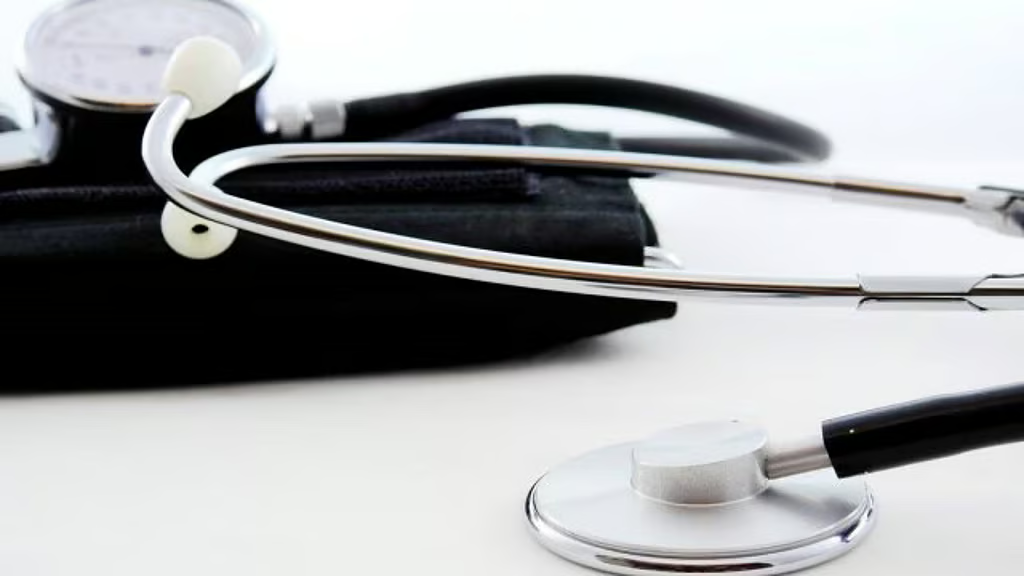
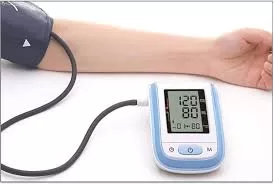
Regular blood pressure monitoring, even at home
-
Reducing salt intake in daily meals
-
Daily physical activity, such as a 30-minute brisk walk
-
Maintaining a healthy weight, especially reducing belly fat
-
Avoiding smoking and alcohol
Adopting a diet rich in potassium, magnesium, calcium, and antioxidants—found in leafy greens, fruits, seeds, and whole grains—also supports vascular health. Managing stress through relaxation techniques or digital detox routines can further reduce risk.
Early Attention Saves Lives
Experts stress that waiting for symptoms may mean waiting too long. “Blood pressure behaves differently in everyone. The only way to stay ahead of it is to monitor it regardless of age or symptoms,” Dr. Sehrawat advises. As World Hypertension Day’s 2025 theme reminds us: “Measure Your Blood Pressure Accurately, Control It, Live Longer”.
With hypertension, awareness and early action are crucial. Routine monitoring and small, consistent lifestyle changes can prevent life-threatening complications and save lives.
Disclaimer:
This article provides general information about hypertension and is not a substitute for professional medical advice. Always consult a qualified healthcare provider for diagnosis and treatment of any medical condition.
Citations: