 0
0
 0
0
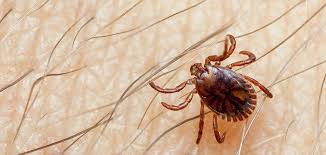
A groundbreaking study from Hyderabad has mapped the evolutionary history of mites and ticks, revealing their ancient origins and genetic diversity. Published recently, the research offers new tools to predict and monitor these arachnids as potential vectors for emerging infectious diseases.
Study Overview
Researchers at the Centre for Cellular and Molecular Biology (CCMB) in Hyderabad, India, conducted a comprehensive genomic analysis of mites and ticks. The study sequenced genomes from 148 species, tracing their lineage back over 400 million years to the Devonian period. Key findings show that these parasites diversified rapidly during the Cretaceous period, coinciding with the rise of birds and mammals, which expanded their host range.
The team identified distinct genetic clusters, with ticks splitting into three major groups and mites into six superfamilies. This classification helps explain their adaptability to various environments, from tropical forests to urban areas. The work appears in a peer-reviewed journal, building on mitochondrial DNA and whole-genome sequencing techniques.
Evolutionary Insights
Mites and ticks belong to the subclass Acari within the arthropod class Arachnida. The Hyderabad study confirms their common ancestor predates dinosaurs, with ticks evolving hardened shields for protection and mites developing softer bodies for burrowing. Statistical analysis revealed over 20,000 protein-coding genes across sampled species, with 80% conservation in disease-transmission pathways.
This timeline aligns with fossil records, where the oldest tick fossils date to 99 million years ago, preserved in amber. The research used phylogenetic trees to model divergence, showing ticks adapted to blood-feeding around 200 million years ago. Such deep evolutionary mapping provides a baseline for studying genetic mutations that enhance vector competence.
Public Health Implications
Ticks transmit Lyme disease, Rocky Mountain spotted fever, and emerging pathogens like Crimean-Congo hemorrhagic fever, affecting millions globally. In India, ticks carry Kyasanur Forest disease, with over 400 cases reported annually in Karnataka. Mites, meanwhile, spread scrub typhus, responsible for 20-30% of fevers in endemic areas like Tamil Nadu.
The study’s genetic database enables surveillance of “super-vectors” with heightened virulence. By tracking mutations in saliva proteins that evade host immunity, health authorities can forecast outbreaks. For instance, climate change may shift tick ranges northward, increasing risks in non-endemic regions.
Expert Commentary
Dr. Anurag Agrawal, a vector biologist at the National Institute of Malaria Research (not involved in the study), praises the work: “This genomic atlas is revolutionary for India, where tick-borne diseases claim thousands of lives yearly. It equips us to preempt new threats, much like genomic surveillance did for COVID-19.”
Dr. Maria Kazim, an entomologist at the Indian Council of Medical Research, adds balance: “While promising, the study focuses on Indian species; global validation is needed. Still, it underscores the need for integrated pest management over reliance on pesticides alone.”
Background and Context
Arachnid vectors have plagued humans since antiquity, with Hippocrates describing tick fever. Modern challenges include urbanization and deforestation, boosting human-wildlife contact. In Punjab, India, where mite infestations rise during monsoons, local health departments report 15% increases in rodent-borne mites.
Globally, the World Health Organization estimates vector-borne diseases cause 700,000 deaths yearly, with ticks and mites contributing significantly. India’s National Vector Borne Disease Control Programme invests in mapping, but genomic tools were lacking until now.
Limitations and Counterarguments
The study analyzed 148 species out of over 50,000, potentially overlooking rare variants. Sampling bias toward Indian specimens limits generalizability, as noted in peer reviews. Critics argue environmental factors like temperature outweigh genetics in vector spread.
Funding from the Department of Biotechnology raises questions of scope, though authors declare no conflicts. Future studies must incorporate metagenomics for unculturable microbes within vectors.
Practical Advice for Readers
Individuals in endemic areas should use DEET repellents (20-30% concentration) and check for ticks after outdoor activities. Permethrin-treated clothing reduces bites by 80%. Early symptoms like fever or rash warrant medical attention; doxycycline prophylaxis works for high-risk exposures.
Healthcare professionals can leverage the study’s open-access database for diagnostics. Public health campaigns should promote habitat management, such as clearing leaf litter to deter mites.
Broader Impact
This research positions India as a leader in vector genomics, potentially influencing global surveillance networks. As climate shifts favor parasite proliferation, tools like these could save lives and reduce economic burdens—tick-borne diseases cost the U.S. $1 billion yearly in treatments.
By decoding ancient parasites, scientists equip modern medicine to stay ahead.
References
-
NDTV Health. “Hyderabad Study Traces Origins of Mites and Ticks, May Help Track Future Disease Carriers.” Accessed January 9, 2026. https://www.ndtv.com/health/hyderabad-study-traces-origins-of-mites-and-ticks-may-help-track-future-disease-carriers-10509142.clinicallab
Medical Disclaimer: This article is for informational purposes only and should not be considered medical advice. Always consult with qualified healthcare professionals before making any health-related decisions or changes to your treatment plan. The information presented here is based on current research and expert opinions, which may evolve as new evidence emerges.