 0
0
 0
0
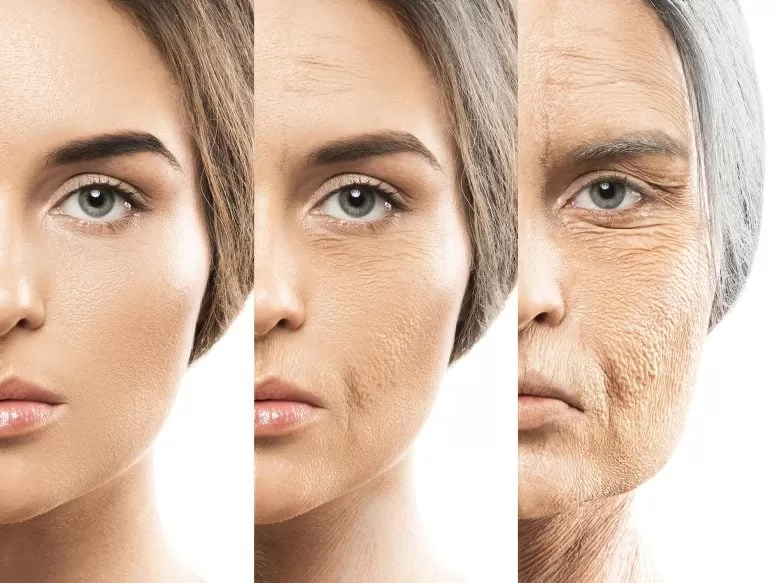
The recent study led by geneticist Michael Snyder and his team at Stanford University, tracking molecular biology markers in 108 adults, found that humans age not gradually but in two sharp bursts around ages 44 and 60. These findings are supported by analysis of over 135,000 molecules and microbiomes across multiple body sites, including the gut, skin, nasal, and oral regions, revealing that approximately 81% of these molecules exhibit non-linear fluctuations with sudden changes at these two life stages.
The mid-40s burst is notably characterized by changes involving lipid, caffeine, and alcohol metabolism, alongside cardiovascular health, and skin and muscle function. This surge aligns with metabolic and immune system adjustments including hormonal changes, muscle tone variations, and shifts in emotional resilience. The early 60s burst prominently features molecular shifts linked to carbohydrate metabolism, immune regulation, cardiovascular disease risk, kidney function, and additional aging-related biological processes.
Interestingly, while menopause was hypothesized to be responsible for the mid-40s changes in women, the study demonstrated that men experience similar molecular transitions at the same age, pointing to broader underlying biological aging mechanisms that are not limited to reproductive aging in women.
Experts noted that these bursts are important because they correlate with increases in age-related diseases such as Alzheimer’s and cardiovascular conditions, highlighting crucial periods during which biological aging accelerates significantly. Recognizing these ‘reset’ points could offer opportunities for targeted interventions aimed at slowing aspects of aging and reducing disease risk.
The study underscores the complexity of aging processes involving interactions across multiple biomolecules and microbiomes. For instance, changes in gut and skin microbiota diversity with age may influence or signal biological aging states. Researchers emphasize a need for larger, more diverse population studies to further unravel the molecular mechanisms behind these bursts and how they might inform personalized aging management.
Practical implications for readers include an increased awareness that biological aging might involve phases of rapid change rather than a slow, steady decline. Health monitoring and lifestyle adjustments could be especially impactful if timed around these biological milestones. For example, metabolism related to caffeine and lipid processing changes during these bursts, which could influence dietary considerations or medication metabolism.
However, limitations exist as the study sample size was relatively small, and the biology of aging varies widely among individuals. Some experts urge caution in overinterpreting the bursts as definitive aging “cliffs” and advocate for ongoing research to deepen understanding and confirm findings across larger cohorts.
Medical Disclaimer: This article is for informational purposes only and should not be considered medical advice. Always consult with qualified healthcare professionals before making any health-related decisions or changes to your treatment plan. The information presented here is based on current research and expert opinions, which may evolve as new evidence emerges.
References: