 0
0
 0
0
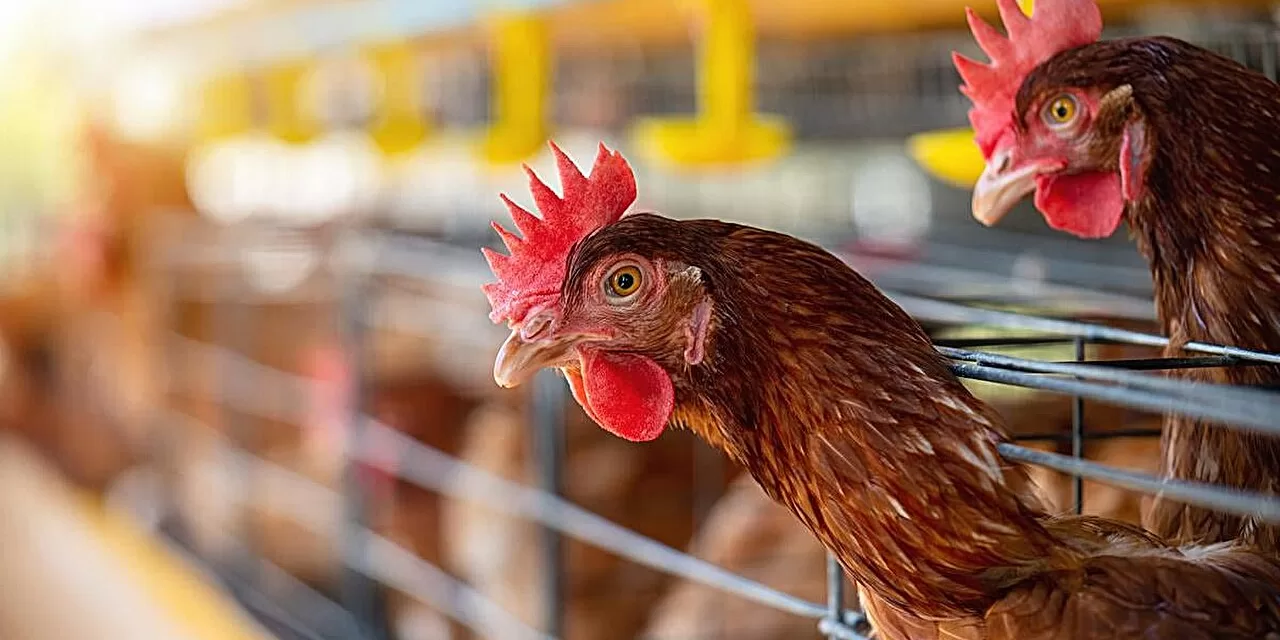
New Delhi: Recent human deaths due to H5N1 bird flu in the US and Cambodia have raised concerns among public health experts, prompting calls for increased monitoring and genome sequencing of the virus.
Earlier this month, the US Centers for Disease Control and Prevention (CDC) reported the first-ever human death from H5N1 bird flu in the country. This was followed by a similar death reported in Cambodia.
“The recent deaths reported from bird flu among humans are concerning,” said Rajeev Jayadevan, Chairman of the Kerala State IMA Research Cell. He emphasized the critical need for enhanced monitoring and genome sequencing to track the evolution of the virus.
To date, 66 confirmed human cases of H5N1 bird flu have been reported in the US since 2024, and 67 since 2022. Globally, over 950 human cases have been reported to the World Health Organization (WHO).
While the CDC has not detected any evidence of human-to-human transmission, experts remain cautious. “No doubt that human infection with highly pathogenic avian influenza (HPAI) A, H5N1 virus has a high potential for severe respiratory infection and high mortality,” said epidemiologist Dr. Ishwar Gilada. “The biggest solace is that human-to-human transmission is extremely rare.”
In recent years, H5N1 has shown a significant increase in spillover to mammals, including otters, sea lions, minks, foxes, dolphins, and seals. In 2024, people working on dairy farms contracted the virus from sick cattle, raising concerns about the further spread of the virus.
While India recently reported its first case of bird flu among other animals (three tigers and one leopard died at an animal rescue center in Nagpur), Jayadevan clarified that the recent human deaths were not linked to contact with cattle.
“The virus seems to have jumped from poultry directly to humans,” he explained. “The concern here is that the virus had already made new mutations when compared to those found in poultry, demonstrating its ability to adapt quickly to human cells.”
Jayadevan emphasized that while these mutations currently do not facilitate human-to-human transmission, continuous monitoring and genome sequencing are crucial to track potential changes.
“Tracking viruses, genome sequencing, knowledge sharing, research and development on vaccines, treatments/cures, and the implementation of robust prevention guidelines are crucial steps that should have continuity,” Dr. Gilada concluded.
Disclaimer: This article is for informational purposes only and does not constitute medical advice.