 0
0
 0
0
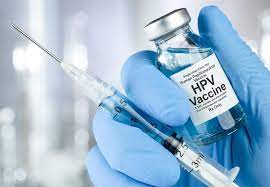
A Parliamentary committee in India has strongly recommended accelerating the inclusion of the Human Papillomavirus (HPV) vaccine within the Universal Immunisation Programme (UIP) nationwide to reduce the high burden of cervical cancer among women. The report from the Committee on Petitions, Rajya Sabha, led by Narain Dass Gupta, highlights cervical cancer as the most common cancer affecting women in India and emphasizes the proven effectiveness of HPV vaccination in prevention.
The committee’s report, submitted recently, notes that although India’s Union Budget 2024 prioritized a phased introduction of the HPV vaccine—with recommendations from the National Technical Advisory Group on Immunisation to vaccinate girls aged 9 to 14 years under UIP—the rollout has been limited so far to just two states, Sikkim and Bihar. The panel called for this vaccine to be rapidly incorporated into the national immunisation schedule across all states and Union Territories to markedly lower cervical cancer incidence and improve women’s health outcomes.
Key Recommendations and Context:
-
The committee stressed the urgent need for expanding the HPV vaccine’s reach statewide, citing its role as a critical preventive measure against cervical cancer.
-
It pointed out that cancer screening rates in India remain low, which exacerbates late detection and poor prognosis for cervical cancer patients.
-
To address this, the panel urged a significant scale-up of the national cervical cancer screening programme, especially targeting areas with limited access to healthcare services.
-
Awareness campaigns should be intensified and tailored to regional contexts rather than a one-size-fits-all approach, to maximize effective outreach to diverse populations.
-
Non-governmental organizations (NGOs) should be actively involved, leveraging their grassroots experience and trust within local communities to overcome social stigma attached to cancer.
-
The use of celebrity cancer survivors was recommended to help promote the importance of early screening and preventive care.
Health System Strengthening:
-
The Committee called for upgrading skills of doctors, nurses, and technicians engaged in cancer care through targeted training at primary and secondary healthcare levels.
-
It highlighted deficiencies in radiotherapy infrastructure, currently reliant on imported equipment, which raises costs and limits access for many.
-
Domestic production of critical diagnostic tools like PET scan machines was flagged as a priority to reduce costs and enhance availability.
Expert Perspectives:
Dr. Anjali Mehta, a leading oncologist not affiliated with the report, commended the committee’s recommendations, stating, “Including HPV vaccination in the UIP is a critical step toward primary prevention of cervical cancer in India. With the disease burden so high and screening suboptimal, this move promises to save thousands of lives annually.” She added, “Public health campaigns must address cultural stigma and misinformation to ensure better vaccine acceptance and screening participation.”
Public Health Implications:
Cervical cancer screening and HPV vaccination together form a complementary strategy that can drastically reduce morbidity and mortality from this preventable cancer. India’s current challenge lies in ensuring equitable vaccine access, improving infrastructure, and overcoming social barriers to screening. The committee’s recommendations, if implemented, could reduce the country’s cervical cancer burden substantially over the next decades.
Limitations and Challenges:
Scaling up vaccination and screening programs nationwide requires sustained funding, political will, and coordinated logistical efforts. There is also a need for continuous monitoring to address vaccine hesitancy fueled by misinformation. Ensuring that rural and underserved populations are reached remains a complex challenge.
Conclusion:
The Parliamentary committee’s report underscores an urgent call to action for India’s health authorities to integrate the HPV vaccine fully into the Universal Immunisation Programme and strengthen cancer screening services. These interventions represent evidence-based, cost-effective measures to substantially curb cervical cancer risk and improve women’s health outcomes nationally.
Medical Disclaimer: This article is for informational purposes only and should not be considered medical advice. Always consult with qualified healthcare professionals before making any health-related decisions or changes to your treatment plan. The information presented here is based on current research and expert opinions, which may evolve as new evidence emerges.
References:
-
Committee on Petitions, Rajya Sabha report on HPV vaccine and cervical cancer prevention, 2024.