 0
0
 0
0
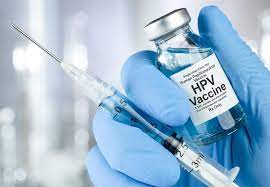
The Human Papillomavirus (HPV) vaccine is emerging as a vital public health tool in India, offering not only medical protection but also empowering young girls to grow up feeling secure and supported. Experts and health authorities are urging Indian parents not to delay vaccinating their daughters, emphasizing the vaccine’s role in preventing HPV infections that can lead to cervical cancer—the second most common cancer among women in India.
Why Early Vaccination Matters
HPV is a sexually transmitted virus, with types 16 and 18 responsible for the majority of cervical cancer cases worldwide. The vaccine is most effective when administered before exposure to the virus, typically recommended for girls and boys aged 11 or 12, though it can be given as early as age 9. For those under 26, vaccination offers the highest level of protection, while regular screening remains crucial for women above this age.
Types and Schedule of HPV Vaccines
There are several HPV vaccines available, including the quadrivalent vaccine (protecting against types 6, 11, 16, and 18) and the bivalent vaccine (protecting against types 16 and 18). The vaccine is administered in a series of two or three doses, depending on the age at which vaccination begins. This regimen ensures robust immunity and long-term protection.
Impact and Effectiveness
Countries that have implemented national HPV vaccination programs, such as Australia, have witnessed a significant decline in HPV infections and related diseases, underscoring the vaccine’s effectiveness in preventing cervical cancer. Studies show that HPV vaccination can prevent over 90% of HPV-related malignancies, including cervical cancer, with reduction rates of 88% in adolescent girls and women and 81% in men for HPV-related cancers and genital warts.
Raising Awareness and Overcoming Barriers
Despite its proven benefits, awareness and acceptance of the HPV vaccine remain low in many regions. In India, healthcare workers are the most common source of information about the vaccine, but social media and mass media also play significant roles in spreading awareness. Regular health check-ups are associated with higher awareness levels, highlighting the importance of integrating vaccine education into routine healthcare.
A Call to Action for Indian Parents
Medical experts stress that delaying HPV vaccination can leave young girls vulnerable to infections that may lead to cancer later in life. Early vaccination is a safe and effective way to protect the next generation and reduce the burden of cervical cancer in India.
“The HPV vaccine offers more than just medical protection — it gives young girls the chance to grow up feeling secure, supported, and strong.”
Disclaimer:
This article is for informational purposes only and does not constitute medical advice. Please consult a qualified healthcare professional for personalized recommendations regarding HPV vaccination and cervical cancer prevention.