 0
0
 0
0
A silent but significant shift is unfolding in India’s cancer landscape: Human Papillomavirus (HPV), long associated with cervical cancer in women, is now driving a rising tide of head and neck cancers among Indian men, particularly oropharyngeal cancers affecting the tonsils and back of the throat. This trend is causing concern among oncologists and public health experts, who warn that the lack of awareness and preventive action could lead to a major health crisis.
HPV: Beyond Cervical Cancer
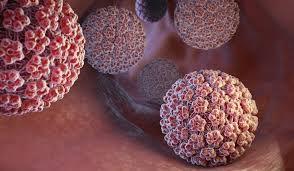
HPV is a group of viruses transmitted primarily through skin-to-skin contact during sexual activity. While most HPV infections resolve on their own, certain high-risk strains—especially HPV 16 and 18—can cause abnormal cell changes that may lead to cancer1. Traditionally, the focus has been on HPV’s role in cervical cancer, but mounting evidence shows it is also a key cause of cancers in the head, neck, penis, and anus in men.
Alarming Trends Among Indian Men
Recent studies and cancer registry data reveal a clear increase in HPV-related cancers among Indian men. The incidence of such cancers rose from 2.9 per 100,000 in 2000 to 3.8 per 100,000 in 2015. Oropharyngeal cancers now account for over 60% of HPV-related cancers in Indian men, and the projected number of HPV-related cancer cases in India is expected to reach over 121,000 by 2025. Notably, nearly one in four Indian men is estimated to be infected with HPV.
Key drivers of this rise include:
-
Low public awareness about HPV’s impact on men
-
Social and lifestyle changes, including increased urbanization, multiple sexual partners, and oral sex
-
High rates of tobacco and alcohol use, which can compound the risk when combined with HPV infection1
Symptoms Often Overlooked
HPV-related head and neck cancers are particularly insidious because early symptoms are subtle and easily missed. These may include a persistent sore throat, hoarseness, a feeling of something stuck in the throat, neck swelling, ear pain, or unexplained weight loss. Many affected individuals have no history of tobacco or alcohol use, making diagnosis even more challenging1.
Treatment and Prognosis
Early detection is critical for successful treatment. HPV-related cancers tend to respond better to therapy than those caused by tobacco, with treatment options including surgery, radiation, chemotherapy, and newer targeted therapies or immunotherapy. However, because these cancers can affect speech and swallowing, comprehensive post-treatment care—such as speech therapy and nutritional counseling—is often necessary.
Prevention: The Need for Vaccination and Awareness
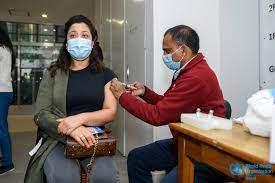
Experts emphasize that prevention begins with awareness and vaccination. While the HPV vaccine is well-known for preventing cervical cancer, it is equally effective in protecting men against HPV-related head and neck cancers. Vaccinating boys and girls before exposure—ideally in childhood or adolescence—can dramatically reduce future cancer risk.
Additional preventive measures include:
-
Practicing safe sex
-
Limiting the number of sexual partners
-
Maintaining good oral hygiene
-
Avoiding tobacco and excessive alcohol use1
Despite these facts, routine HPV vaccination for boys remains rare in India, and discussions about HPV’s impact on men are minimal.
A Call to Action
The rise of HPV-linked cancers among Indian men is a growing public health concern that demands immediate attention. Experts urge policymakers, healthcare providers, and the public to shed inhibitions, prioritize HPV vaccination for all genders, and promote early detection and prevention strategies.
“Many Indian men, without the usual red flags of tobacco or alcohol use, are being diagnosed with head and neck cancers driven by HPV. This silent, but rising threat demands more than awareness—it calls for proactive action.”
— Dr. Srigopal Mohanty, Senior Consultant in Medical Oncology, HCG Cancer Center, Cuttack1
Disclaimer:
This article is intended for informational purposes only and does not constitute medical advice. For concerns about HPV or cancer risk, please consult a qualified healthcare professional.